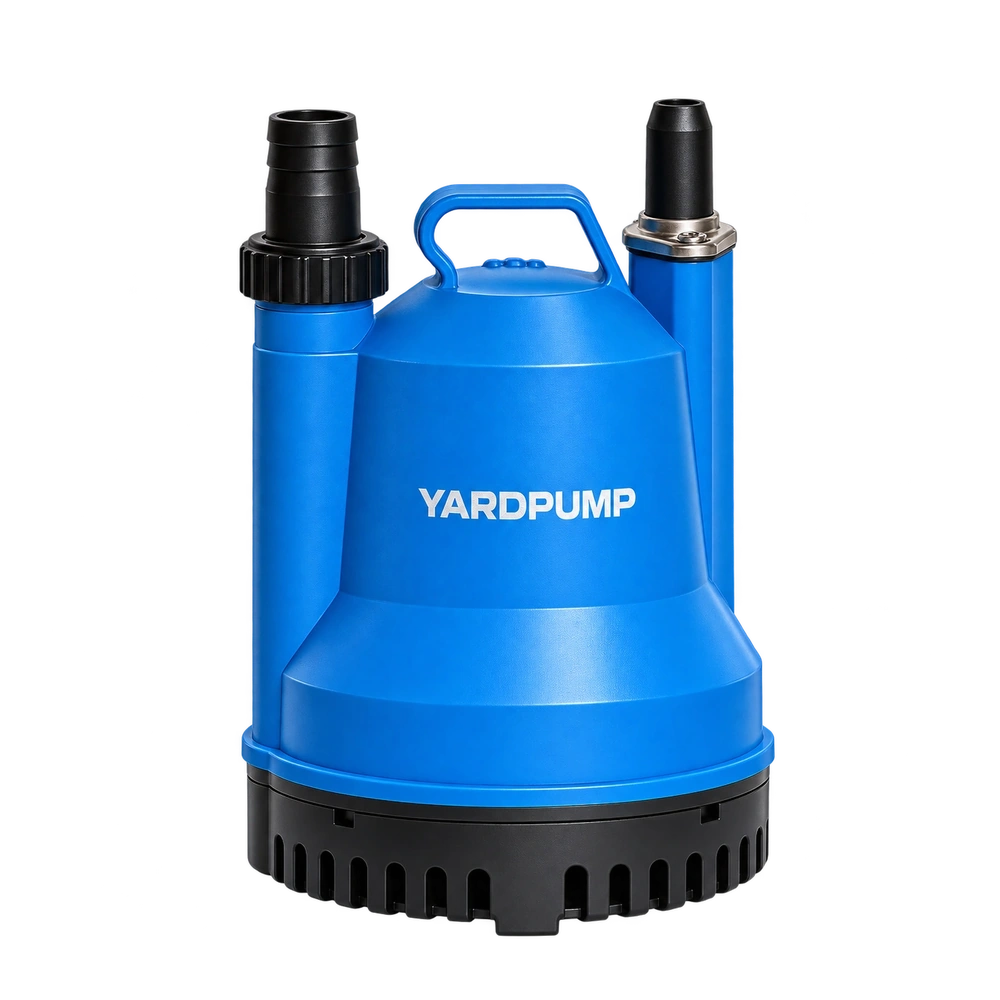
A pump sounds modest in water, yet a low-frequency hum reaches the upper floor after rigid pipe is connected to a wall. The source may not be louder. The discharge pipe can carry vibration into walls and joists, which radiate sound like panels. Diagnosis should treat pump, flexible connector, check valve, clamps and penetrations as one transmission path.
What drives the result
Small forces from rotating parts and hydraulic pulsation travel along stiff piping. Overtight clamps, direct contact with framing, unisolated penetrations and unsuitable support spans create structure-borne noise. A flexible connector can isolate some vibration, but one that is too soft, long or unsupported can move and load the outlet. Damaged impeller, worn bearings or air ingestion can also raise source vibration, so insulation must not hide a defect.
An illustrative way to check
Without compromising safety, compare sound and vibration with structural contacts correctly isolated and with the normal installed condition, then inspect clamps, valve and penetrations one point at a time. If light contact at one location changes the sound markedly, that location may be a transmission node. Pump current, flow and mechanical condition must still be verified.
A sound investigation of pump vibration rigid pipe noise separates hydraulic, motor, structural and installation observations before connecting them. Replacing the first damaged part may restore operation temporarily while leaving the initiating cause untouched. Start with safe isolation and stated operating limits, preserve the original condition, examine the installation and liquid, and only then dismantle internal components. Comparison units must use the same voltage, frequency, piping, water level and running time; otherwise differences in current, temperature or sound have little diagnostic value.
Actions for the site or purchasing team
- Separate steady running hum, shutdown bang, air-ingestion noise and mechanical rubbing.
- Confirm stable pump support, no piping weight on the outlet and a connector approved for the installation.
- Support pipe for its material and span, with suitable isolation at framing and penetrations.
- Do not kink hose or use flexible material as a substitute for all structural support.
- After correction, remeasure flow, current, vibration and room noise and retain before-and-after evidence.
Limits and application boundary
Qualified personnel should modify building piping and electrical systems. Vibration isolation must not conceal impeller damage, bearing failure or cavitation.
Frequently asked questions
Will one flexible hose always remove noise? No. Length, stiffness, support and source vibration all matter.
Do tighter pipe clamps reduce vibration? Overtight clamps can transmit structure-borne vibration more efficiently.
Are shutdown bang and running hum the same fault? Not necessarily. Shutdown bang often involves return flow and valve transients, while hum is continuous vibration transmission.
Related reading
Why Does a Sump Pump Bang When It Stops? Follow the Sound Before Replacing the Pump
Mechanical Seals Keep Wearing: Why Should Pump Shaft Runout Be Checked?