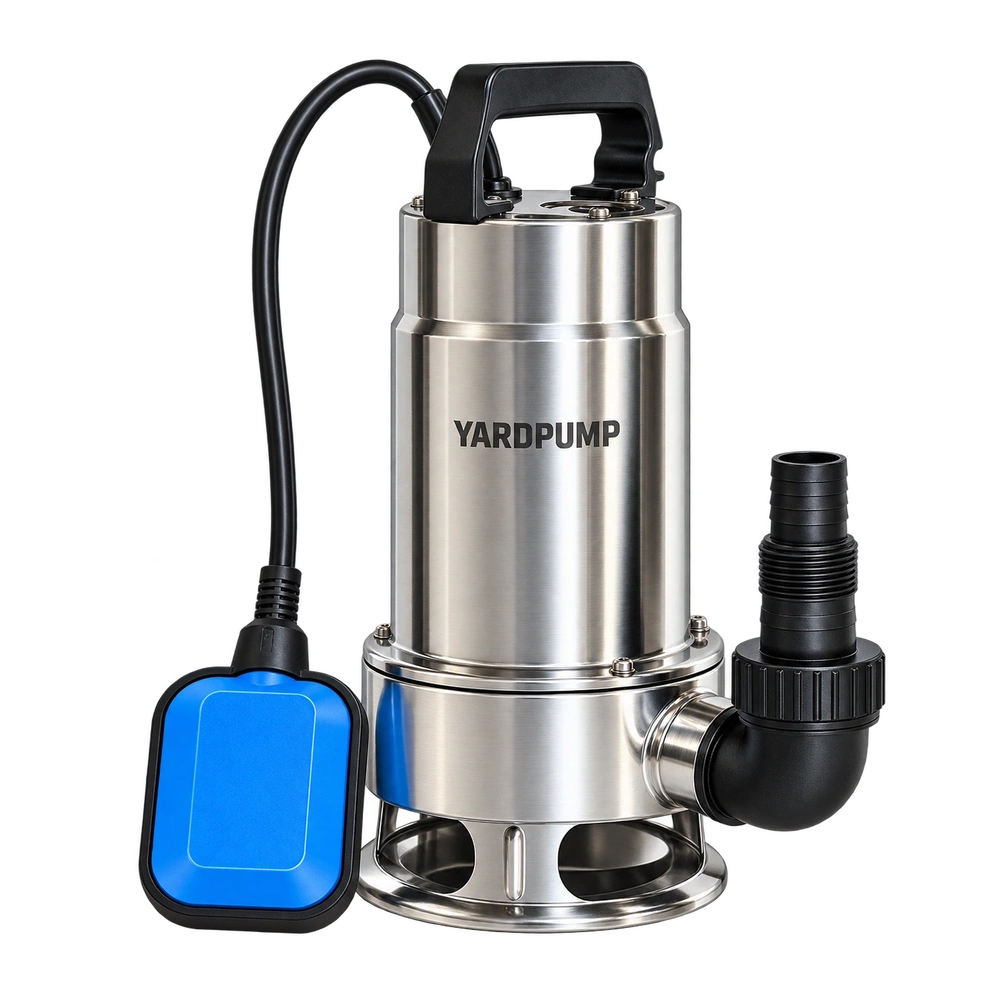
A returned pump receives a new mechanical seal and leaks again soon afterward. The seal grade may not be the root cause. A rotating seal face follows the shaft. Bent shaft, loose bearing fit, eccentric assembly or impeller imbalance can make the faces open cyclically, wear unevenly and generate extra heat.
What drives the result
A mechanical seal operates with a very thin fluid film and controlled face load. Radial runout moves the rotating face away from centre and produces non-uniform pressure. Axial movement changes spring compression. Bearing clearance, shaft-shoulder squareness, seal-seat concentricity and assembly contamination can accumulate. Replacing the seal restores parts temporarily without removing the geometry that drove failure.
An illustrative way to check
Before dismantling a return, record shaft-end radial runout, axial movement, bearing condition, impeller damage and rub marks. After removal, inspect whether face wear is concentrated on one side, elastomers are twisted or the sleeve is grooved. Measurement location and support method must be fixed so units can be compared.
A sound investigation of pump shaft runout mechanical seal wear separates hydraulic, motor, structural and installation observations before connecting them. Replacing the first damaged part may restore operation temporarily while leaving the initiating cause untouched. Start with safe isolation and stated operating limits, preserve the original condition, examine the installation and liquid, and only then dismantle internal components. Comparison units must use the same voltage, frequency, piping, water level and running time; otherwise differences in current, temperature or sound have little diagnostic value.
Actions for the site or purchasing team
- Set staged runout limits for shaft, bearings, seal seat and final impeller assembly.
- Use suitable gauges at defined locations and record angular position for radial and axial readings.
- Inspect bearing fits, shoulders, retainers, impeller balance and tightening torque.
- Keep faces clean and prevent tools from scoring the sleeve or twisting elastomers.
- Require root-cause measurements on repeat leakage returns rather than coding every case as bad seal.
Limits and application boundary
Runout and endplay limits depend on the seal and shaft design and belong in engineering drawings and supplier specifications. Never dismantle equipment that is energised or not isolated.
Frequently asked questions
Does low runout guarantee no leakage? No. Materials, faces, assembly, dry running and liquid also matter.
Can a double seal hide shaft runout? No. Both seal stages can be affected by the same shaft error.
Should a return be dismantled before measurement? Dismantling changes evidence; record accessible as-returned data first.
Related reading
Changing a Pump Shaft Seal: What Should OEM Buyers Reapprove?
NBR, EPDM or FKM? Choosing Pump Seals for the Liquid and Temperature