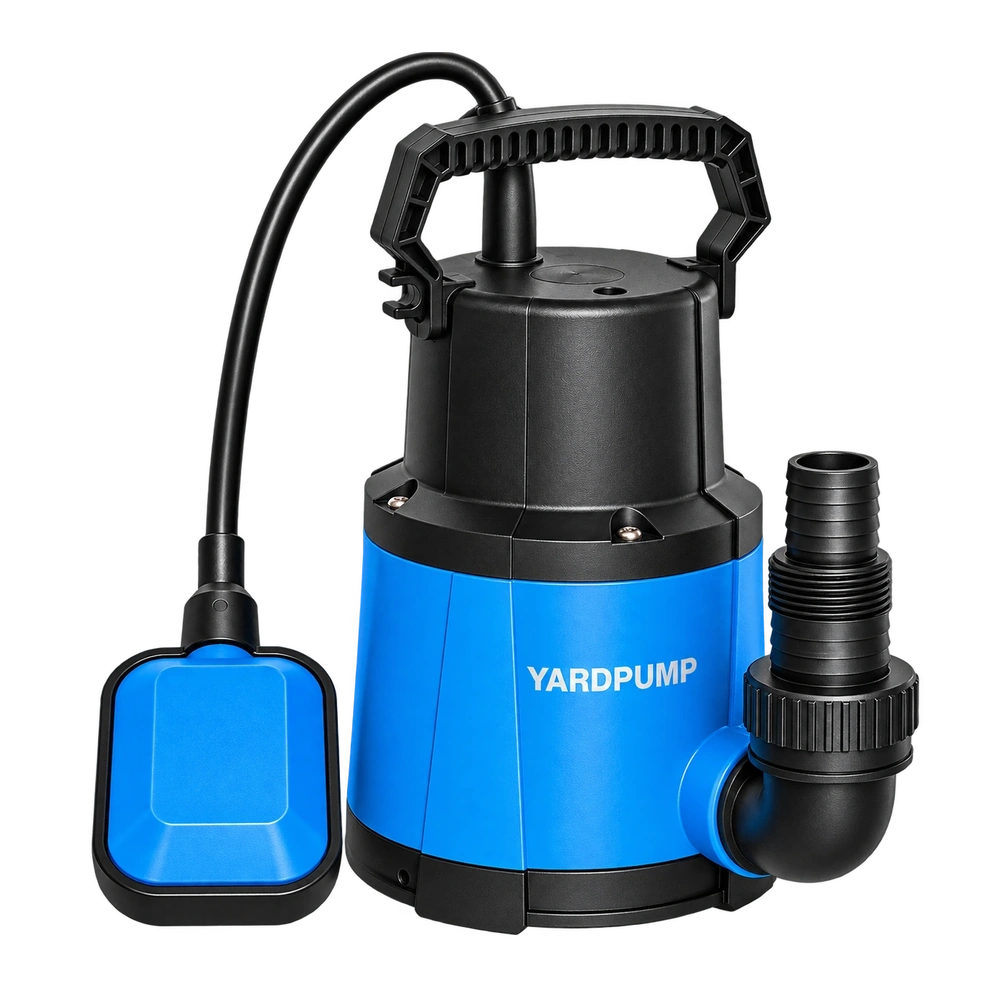
Imagine a yard sump that pumps strongly into a dry well through a discharge hose. It handles light rain, but after several wet days the well begins to overflow. Start at the receiving end. Check how much empty storage is left, how quickly water can infiltrate and whether the discharge outlet is submerged. Water leaving the sump does not establish that the dry well can accept the same rate. A larger pump can make the well fill sooner.
Storage and infiltration are different limits
A dry well provides temporary space and allows water to move into surrounding soil. Sediment, the soil, antecedent rainfall and local water levels can change how fast it drains. A test made in dry weather may miss the limiting condition. A gravel-filled excavation also does not hold its entire geometric volume as water: water occupies the spaces between the stones. Use the available volume between the actual starting level and the limiting level.
The pump has a separate duty point. Elevation, hose resistance and the outlet condition govern the installed flow. A submerged outlet changes the receiving-side head compared with a free discharge; check the system under that condition instead of assuming the same delivered rate. Water spilling from the well can also travel back toward the sump. In that case some of the pump's delivery is the same water making a second trip. Sketch both sides before changing equipment.
Look at the two levels without entering either structure
From a safe surface position, record the sump level at start, the dry well's initial level, the pump on period and when water first approaches the receiver's limit. Look for a return path across the ground. If a qualified installer can measure safely, compare installed pump flow with the dry well's level decline after inflow is stopped, under permitted conditions. Compare a dry period with a suitably similar wet period. Do not flood the structure to force an overflow or change the discharge route during a dangerous storm.
Do not assume that the receiving site can take oily water, unknown wastewater or construction slurry. An infiltration test intended for stormwater does not authorize other discharges. Get the site and discharge route checked against the applicable requirements, especially where foundations, neighbouring property or groundwater can be affected. Do not enter a pit or handle electrical equipment in standing water.
An illustration: four minutes of spare capacity
Suppose the wet well has 240 litres of usable space left. During the short observation window it accepts 20 litres per minute into the surrounding ground, while the pump delivers 80 litres per minute and there is no other inflow. Storage fills at about 60 litres per minute, so the spare volume is used in about four minutes. Other runoff entering the well can shorten that time. If a submerged outlet reduces the actual delivery, the result changes. These are assumed rates to show the balance, not a constant infiltration curve or a safe unattended operating time.
Decide which end needs the change
Use the available storage and the wet-weather acceptance rate before choosing a new pump or a different run schedule. If more sustained drainage is needed, have the receiving system checked for blockage, siting and another approved discharge route. Intermittent pumping can allow infiltration between runs in some controlled installations, but the source sump must then have enough capacity to wait. The chosen pump and controls must also tolerate the resulting start frequency and water levels. A sound arrangement leaves room on both sides under the expected wet condition.
If commissioning happens only in dry weather, record that wet-weather acceptance remains unverified and leave a safe observation point. A later overflow complaint can then be compared with a known baseline.
Frequently asked questions
Does overflow mean the pump has too much head?
Not necessarily. The pump may simply deliver faster than the remaining storage and infiltration can accept. Look for water returning to the sump as well.
Can I use a dry-weather drain-down rate for rainy weather?
Do not assume it applies. The receiving level and surrounding ground can behave differently after rain.
Will putting the outlet at the bottom stop the overflow?
Moving the outlet does not create capacity. It can change the discharge head and backflow conditions, so follow the approved arrangement.