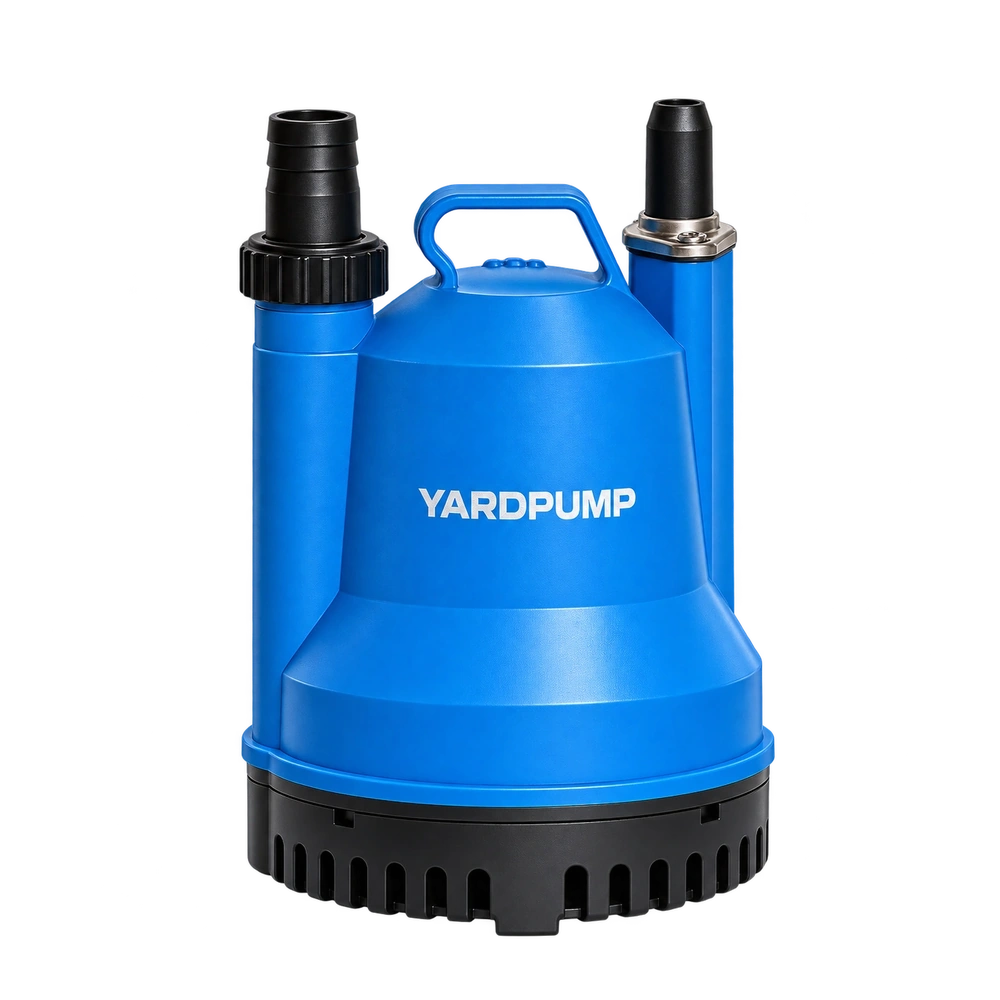
Suppose an exposed sump is taking in water after a cold night. Liquid is visible below the surface, but the pump has not started as usual. The pit does not have to freeze solid for level control to fail. A patch of ice can hold the float against the wall or lock a float or guide in place at the old waterline. Water can rise beneath it without moving the switch. Distinguish that mechanical obstruction from a frozen discharge before ordering a new pump or float.
Ice can stop the movement the switch needs
A tethered float has to rise and tilt far enough to operate its switch. Local ice connected to the basin wall can hold it while incoming water raises the liquid level around it. A vertical float can also be obstructed at the float body or guide. A float trapped in the off position may never call for pumping. One trapped in the on position may fail to stop the pump after drawdown. A piece of ice floating freely on the surface does not necessarily stop the mechanism. A picture of ice by itself does not prove the cause.
A cold, stiff tether can behave differently: the float may still move with the water but switch later or at a different level. A plugged discharge line offers another clue: the controller calls for operation and the pump appears to run, yet the outlet gives no water. These signs point to different checks; they are not conclusive. A protection trip or jammed impeller can confuse the picture. A quiet motor is not evidence of electrical isolation.
Document the state from a safe position
Stop using the affected equipment and have the responsible personnel isolate it from a dry, safe location, including any automatic start source. Do not reach into water, pull the float by its cable, bypass the switch or force continuous operation. Ice can also trap water and pressure in pipework. Do not loosen a fitting to find out. Record the conditions, liquid level if visible, normal start level, where ice touches the wall and what the controller and discharge did. Mark anything hidden by the ice as unknown. If inflow continues, arrange appropriate temporary drainage or overflow protection.
For example, imagine incoming water raises the visible level above the normal start mark while the float remains at a band of ice attached to the wall. The change in water level makes a blocked movement path more plausible than cold weather alone. On another installation the controller reports a normal start request but the outdoor outlet is visibly iced over. Have the discharge checked first instead of replacing the float on that evidence. Both faults can occur together.
Verify the complete cycle after the freeze is resolved
Once the setup can be handled safely under the equipment instructions, have qualified staff check full float movement, its mounting and the condition of the cable. Inspect the casing, valve and discharge for freeze damage or restrictions before restoring operation. When appropriate, confirm filling, automatic start, delivery and automatic stop with water under permitted conditions. Record normal start and stop levels over repeated cycles. Avoid improvised thawing with flame, impact, boiling water or control overrides. If plugs, controllers or other parts meant to stay dry were flooded, have them checked by qualified personnel before energizing.
Take removable seasonal equipment out of service, drain it and store it as directed before freezing conditions. A sump that must protect a building year round needs a suitable frost-protected arrangement, a discharge that drains as designed, and any alarm or alternative drainage the site requires. A successful cycle after thawing shows that the system works at that moment; it does not establish that it will work at the next freeze.
Frequently asked questions
Can a thin film of ice really affect the float?
Yes, if it joins the moving parts to a fixed surface or obstructs the required travel. Thickness is less informative than the location and whether the float can move.
Does a recorded start request rule out ice?
It does not rule out ice elsewhere in the system. Check the discharge path and whether the float also operates correctly when the water falls.
Can I use a timer instead of the frozen float?
Do not substitute timed operation as a temporary bypass. A timer cannot see the actual water level or confirm an open discharge. Correct the installation and use approved level protection.