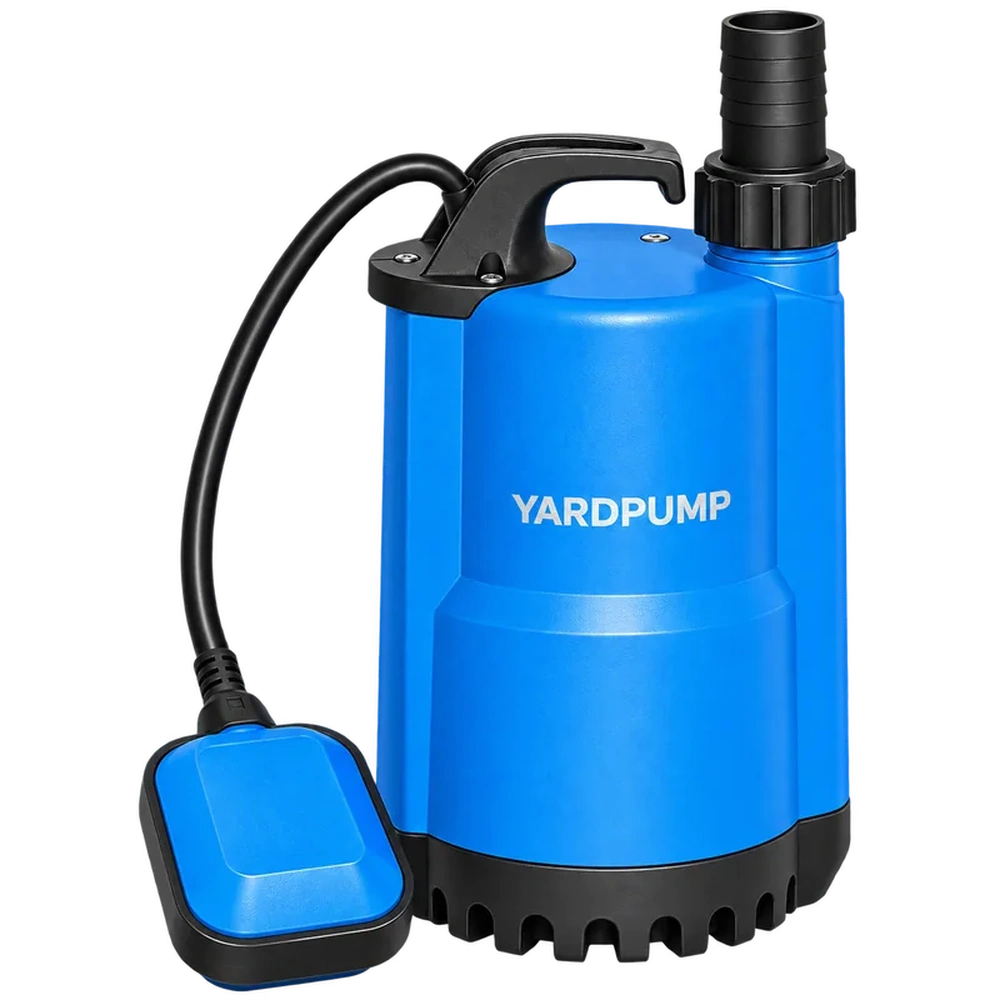
Imagine a dealer has scheduled replacement of a sump pump. The pump and its high-water alarm sit in the same panel, and there are two separate float switches. Whether the alarm can stay available during a safe pump isolation depends on the actual power and control boundaries. Two floats do not establish independent alarms. Have qualified personnel identify what must be isolated, then decide who can see a rising level and what they will do when warned.
Follow the warning from water level to recipient
High water must operate a sensor, a controller must recognise the signal, a warning must be generated, and someone must be able to receive it. A battery status light does not prove that all four steps work. Some panels have a separate or battery-backed alarm supply. It may support a local horn without powering a communicator, network equipment or a remote output. Use the drawing and instructions for the actual version rather than drawing conclusions from the enclosure or number of cords.
Draw the pump under service, any standby equipment and the alarm chain on one sheet. Identify the agreed isolation points. An alarm cabinet, signal circuit or standby pump that remains energised must be identified according to the site's procedures. Preserving a warning does not justify leaving the equipment under service energised or opening a live shared cabinet. Qualified personnel must decide whether the installation supports safe separation.
Confirm who will actually receive a warning
Before the outage, confirm that the alarm actuates before the level becomes unacceptable at the place being protected. Under the approved procedure, observe local sound or light, remote receipt and reset. Then check the chain in the permitted pump isolation configuration. Document which supplies were present, where the message went, whether the system reported loss of power and how the test was reset. Do not enter the pit, bridge a signal or touch unisolated equipment in a wet area to force a result.
Suppose, for illustration, that there are 36 litres between the starting level and a pre-agreed stop-work level. Steady inflow of three litres per minute uses that margin in about 12 minutes. If 24 litres have already entered before the alarm operates, there are about four minutes left after the warning. This shows why a warning must leave time to respond. It is not a recommended pit volume or a guaranteed work period. Real inflow can change with rainfall, site use or upstream equipment.
Change the service plan when the alarm cannot stay available
The responsible person can assess a controlled pause in inflow, an attended watch with a defined response, approved independent monitoring, or verified temporary drainage. If continuous inflow cannot be monitored safely, rescheduling the outage can be better than improvising electrical connections. An independent warning detects a problem but cannot remove water. If a standby pump is expected to act, confirm its supply, valves and discharge route separately. Define the level at which service stops and who is responsible for the next action.
Before returning to service, remove the temporary arrangements and restore the normal controls under the approved procedure. Confirm the pump starts and stops at the intended levels and that the alarm resets and reaches the right recipient. Follow site isolation and emergency procedures where there are electrical, flood, sewage or confined-space risks. The aim is a service window in which the pump is safely isolated and the responsible person can still recognise when the work must stop.
Frequently asked questions
Does a battery guarantee warning coverage for the entire outage?
Check its condition, runtime and the functions it actually supports. A local horn can operate while remote delivery is unavailable.
If the horn works, why test the remote message?
The local and remote paths may have different power supplies and communications. The person responsible needs to receive the actual warning.
Can I raise the stop-work line to buy extra time?
Do not change the control settings without approval. The work limit should account for actual inflow, available storage and response time while preserving the original protection.