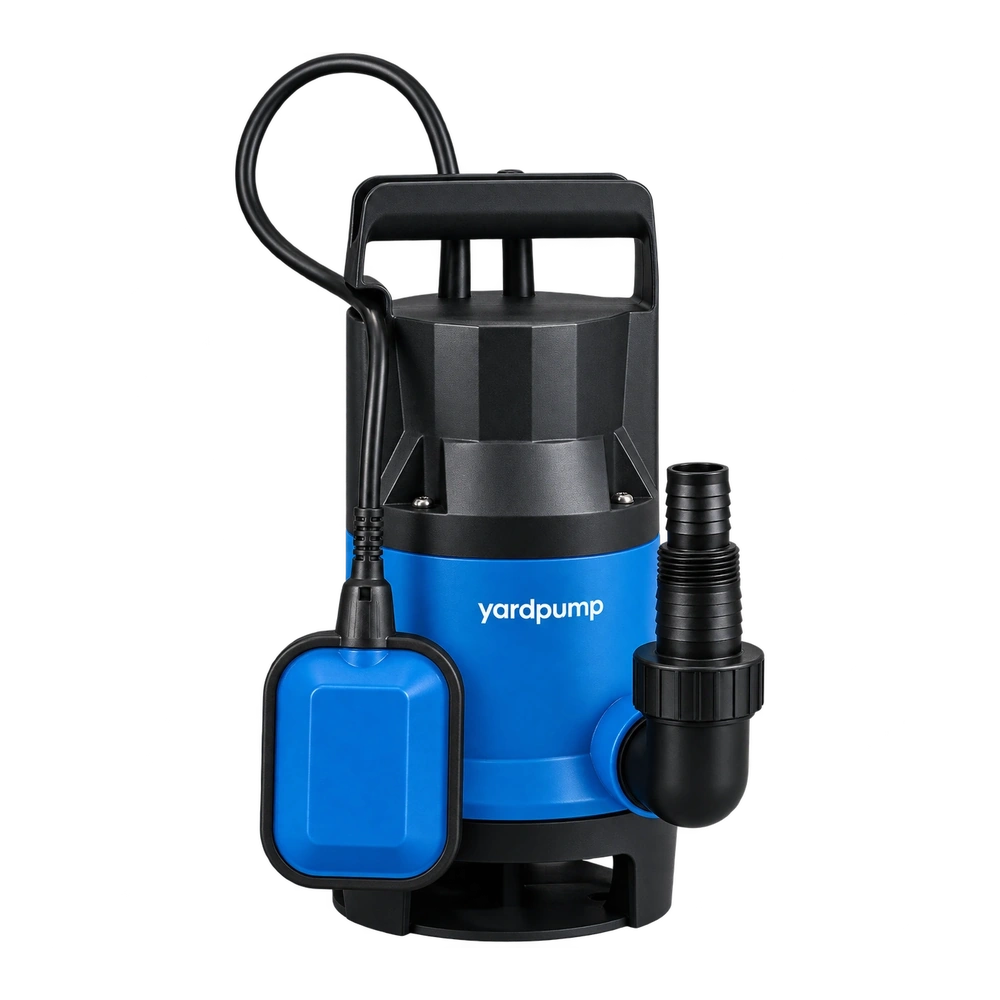
Imagine two small submersible pumps are returned for insulation assessment. The first already has a high insulation-resistance reading that barely changes. Both readings on the second are much lower, but its ten-minute value is a greater multiple of the one-minute value. Should the second be released because its ratio is higher? No. The polarization index divides readings at two stated times. Its meaning depends on the winding, method and applicable criteria. It cannot stand in for leakage current, dielectric withstand or complete wet-equipment safety.
A time ratio does not rank all insulation
During an approved DC insulation measurement, current can include charging, absorption that changes with time, and leakage. The resistance reading reflects the combined response of the tested circuit and its environment. Polarization index is commonly expressed as resistance at ten minutes divided by resistance at one minute. If resistance is very high or close to the instrument's limit, resolution, leads and surface contamination may influence the comparison. A small winding need not have the same time response as a larger machine. A low or nearly flat ratio has to be read alongside the absolute values and the test method.
For illustration, suppose sample A reads 800 megohms at one minute and 900 at ten, for a ratio of about 1.13. Sample B reads 16 and 32 megohms, for a ratio of two. Those numbers alone do not show that B has better insulation or that A is safe. Review the applicable criteria, range, temperature, exposure to water or contamination, and any approved recheck. These are hypothetical results, not pump measurements or acceptance limits.
Match the cited method to the item being tested
IEC 60034-27-4:2018 addresses winding insulation-resistance and polarization-index measurements on rotating electrical machines. Its recommended minimum values concern specified fully processed machines rated at 750 watts or above. A small pump's package wattage may refer to electrical input, which does not establish the motor's rated-power scope. Do not copy a minimum from that document into an arbitrary whole-pump repair rule. The released product procedure may define a different item or require separate assessment of controls and sealing. Distinguish a winding, a motor with its cable and the complete pump with electronics attached.
If the meter reports overrange, keep that observation rather than substituting its display limit as an exact number in the ratio. Also retain winding temperature, ambient conditions and when the unit was exposed to liquid. Comparing values from different moisture and temperature conditions without noting the difference can obscure the cause. A trend is useful only with a known boundary, adequate range and comparable connections.
Keep electrical release within the approved process
Qualified personnel should isolate the equipment and select the instrument and procedure prescribed for it. Use approved documentation to decide what must be separated from the test circuit. Do not open sealed assemblies or apply one generic test to every motor or controller. Users should not attempt this work in a wet area, on a flood-exposed electrical chain or where stored energy may be present. A returned pump that has tripped protection or may have taken in water still needs its approved safety assessment even if one ratio looks favourable.
A useful service report identifies what was tested, the absolute values and times, whether the ratio is interpretable, and what safety checks remain. That keeps a small change at high resistance from being called a defect, and prevents a high ratio from hiding a low reading or a poor test connection.
Give each recorded value a status: measured, overrange, or not tested. If either point is beyond the meter's range, keep the instrument status and elapsed time rather than publishing a falsely precise ratio.
Frequently asked questions
Does the ten-to-one-minute ratio identify the insulation class?
No. It is a result of a specified test, not a material class or a complete equipment safety verdict.
Can I use the meter's upper limit when it reports overrange?
Do not treat a range limit as a measured resistance. Record the limitation and use the approved method to decide whether another measurement is needed.
Can the pump be re-energised if the ratio is normal?
The ratio alone cannot authorise that. Qualified personnel must make the decision under the approved safety and service process.