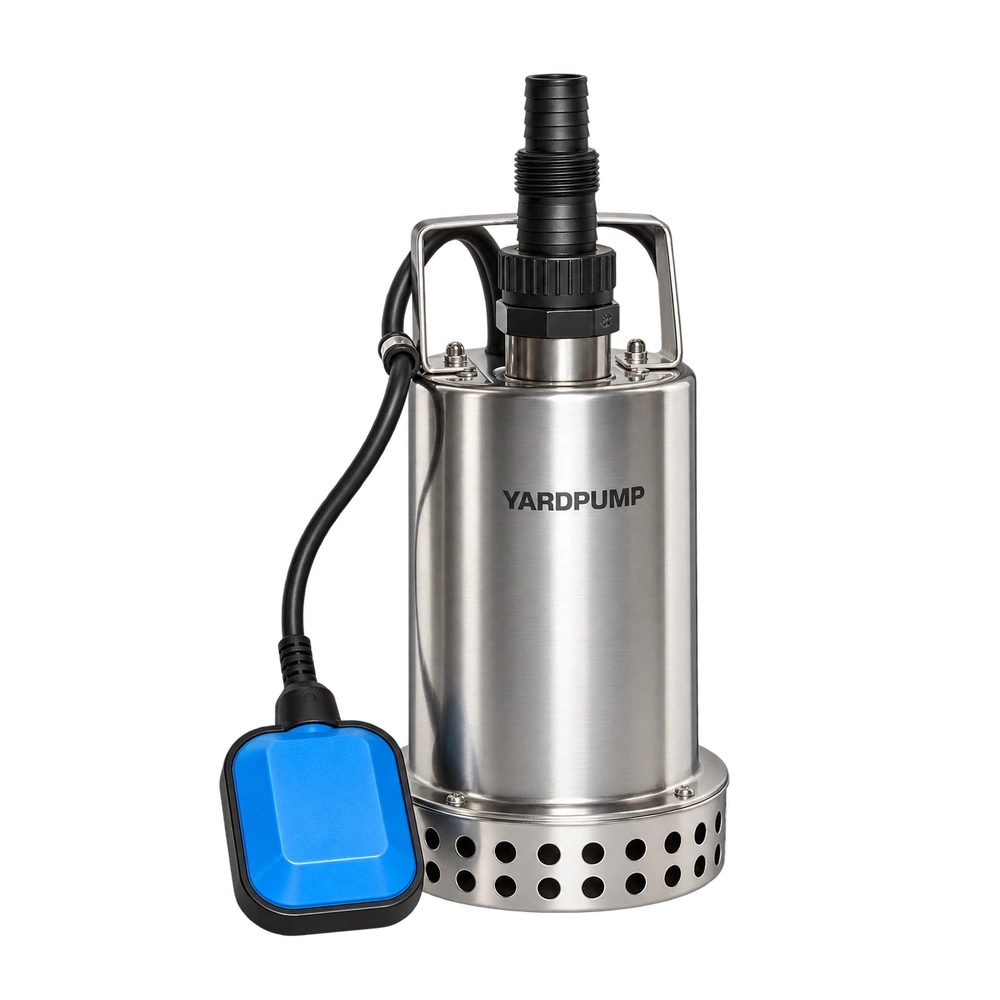
A damp submersible motor undergoes professional drying, and its insulation resistance rises substantially. Can the pump now be assembled and shipped? Not on that evidence alone. The reading indicates an improvement under particular measurement conditions. It does not establish that the entry path has been repaired or that winding damage, connections, seals and whole-pump safety are satisfactory.
Release requires a documented assessment of the moisture event, an approved treatment and the applicable final checks.
What drying can and cannot restore
Moisture can create more conductive paths over or within insulation. Removing some of it may increase measured resistance. Salt, cleaning chemicals, sediment and other contaminants do not necessarily disappear when water evaporates. Electrical damage, corrosion, cracks and abrasion are not automatically repaired by becoming dry.
A better reading therefore does not make the motor equivalent to a new component. Insulation systems, encapsulation, electronics and elastomers have different treatment limits. A drying temperature stated for a particular industrial motor cannot simply be applied to a complete plastic submersible pump.
This is a release-decision guide, not an instruction to use a household oven, heat gun or improvised electrical heating.
Establish the route and extent of exposure
Stop using the unit, disconnect and isolate it, identify its status and refer it to qualified service personnel. Stored energy must be managed before inspection. Preserve information about the liquid, immersion, cable condition, sealing interfaces and the symptoms before failure.
Saltwater or contaminated-water ingress requires particular attention to residue and corrosion. It should not be treated as equivalent to clean-water dampness.
| Investigation | Question to answer | Effect on disposition |
|---|---|---|
| Entry route | Cable entry, housing, shaft seal or another interface? | Establishes whether recurrence has been prevented |
| Liquid | Fresh water, saltwater, cleaning fluid or mixed contamination? | Changes cleaning and corrosion concerns |
| Damage extent | Windings, leads, bearings or electronics affected? | Determines repairability and replacement needs |
| Electrical history | Tripping, leakage or continued operation? | May justify a wider investigation |
No visible water does not rule out moisture exposure. Conversely, water found after dismantling does not identify a particular failed interface without supporting evidence. Handling and storage history matter too.
Compare measurements on a consistent basis
Insulation resistance depends on temperature, humidity, test voltage, duration and the circuit included in the measurement. Record these conditions before and after treatment and interpret the results using the applicable method.
The instrument and operator must be suitable for the equipment. Follow product-specific requirements for sensitive electronic components. Applying a higher voltage informally or repeating unsuitable tests is not a prudent way to gain confidence.
For a hypothetical example, imagine readings increasing from 5 to 100 megohms. That does not mean the motor is “95% repaired”, nor does it establish a universal release threshold. The trend may support further assessment, but acceptance still depends on the specified test conditions and requirements.
Insulation resistance, dielectric testing, protective-earth continuity and leakage-related checks provide different information where applicable. Qualified personnel should determine the required programme, sequence and limits. One result does not replace every other safety check.
Close the repair and release record
The repair report should identify findings, cause, cleaning or replacement work, the approved treatment and its results. If the entry route remains unknown or essential insulation and connection conditions cannot be confirmed, keep the unit isolated. A rising resistance reading alone is insufficient grounds to release it.
Use an approved replacement or disposal route for components that cannot be restored reliably. After assembly, complete the applicable sealing, electrical safety, control and operating checks. Drying a stator does not establish the condition of its cable entry, float switch, bearings or housing.
Maintain the repaired status and traceability accurately. Do not remove repair history to present a returned unit as untouched stock. Purchasers should agree whether repaired units are acceptable under their contract, product requirements and applicable rules before shipment pressure forces an improvised decision.
For a batch, link the original fault, repair and final inspection records to the relevant units or approved control scheme. This makes the release decision reviewable if a later complaint occurs.
Frequently asked questions
Does higher insulation resistance always mean a safer pump?
It is only one item of evidence. Circuit configuration, measurement conditions, other safety checks and mechanical damage still matter.
Can a motor be powered after simply drying in the sun?
Do not use that as a release method. A moisture-exposed unit should remain isolated until qualified personnel establish treatment, testing and safe operating conditions.
Can clean-water and seawater exposure use the same procedure?
Not automatically. Salt and contamination can remain and cause later problems. Treatment and repairability need an assessment of the actual exposure.