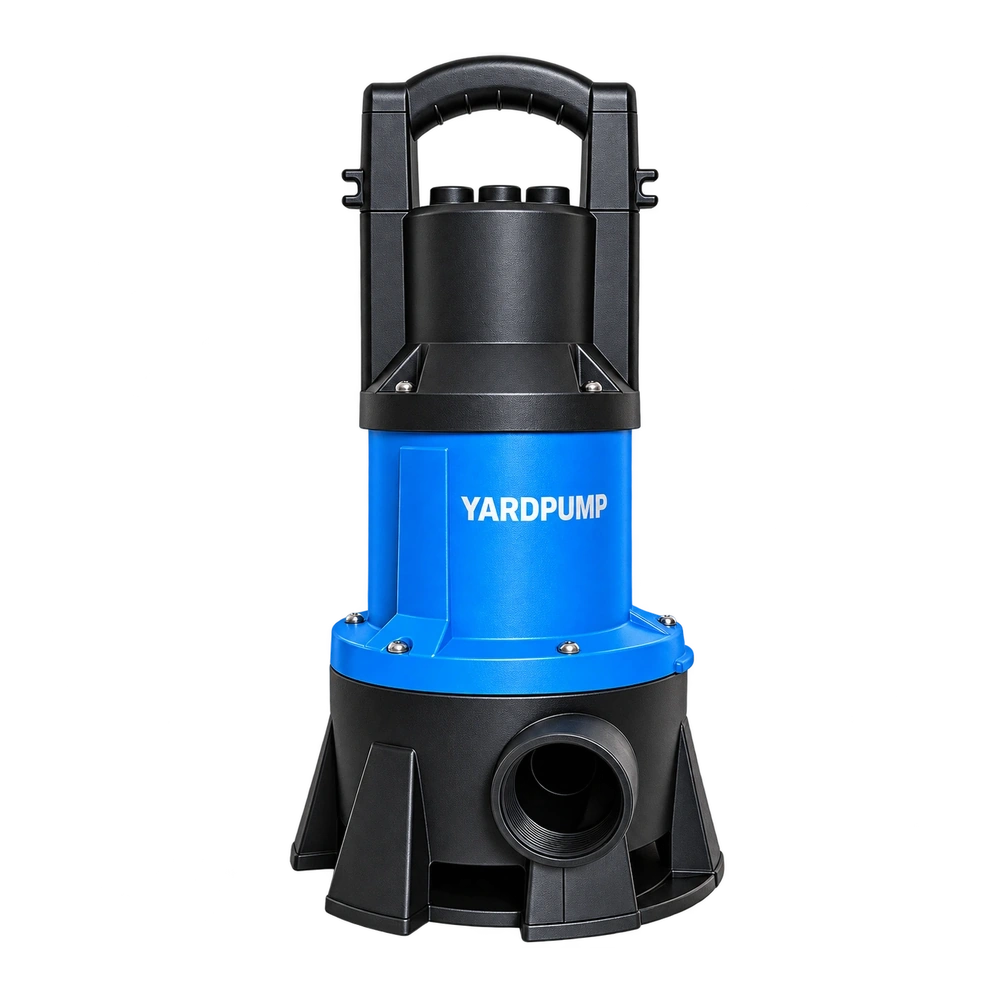
Suppose two sump pumps share a discharge header. Pump A is running, pump B is confirmed off, and there is a persistent sound of water near branch B. Verify where the water is going. Pump A can pressurise the common tee. If the check valve on B does not isolate its branch, part of the flow can return through the idle side instead of reaching the discharge destination. If the return occurs only after both pumps stop, look at the water draining back from the pipe. That needs a different set of observations.
A pipe can carry sound without carrying reverse flow
Sketch both pumps, individual check valves, the junction, isolation points and final outlet. A single check valve on the shared header may keep water from returning from the outlet while leaving the branches connected to each other. Individual check valves also need to work in their installed conditions. Orientation, material trapped at the seat and incomplete closure can affect the result. Vibration in pipe B is not a direction reading. Determine whether water moves from the common junction toward the pit through that branch. A normal vent discharge, water entering the pit from another side or vibration from the running pump can sound similar.
Record flow while A is delivering and record the event after shutdown separately. Water held in a longer pipe may return only when the pump stops. Sustained reverse flow through B with A delivering supports active backfeed. A test may find both mechanisms on one system, but the time and direction of each still matter.
Test with one pump at a time and a drainage plan
Use qualified personnel for a fixed system, with a backup drainage arrangement and a permitted, controlled test condition. From a safe position, confirm that A is running and B is intentionally idle under the approved procedure. Record the pit level, final outlet and any reliable observation of branch flow direction. A suitable fixed observation point or a validated non-invasive bidirectional instrument can help where the installation permits. A zero reading from an instrument placed where it cannot measure reliably does not rule out backfeed. Repeat with the roles reversed at comparable water level and outlet conditions. Do not close a live discharge, undo fittings or bypass protection to stage the test. Stop, isolate and depressurise the system before opening any valve.
Consider an illustration. At a held condition, branch A carries sixty litres per minute toward the header, and fifteen litres per minute travels back down B. If the pipe is no longer filling and has no other outlets, about forty-five litres per minute reaches the final outlet. Measuring forty-five litres at the outlet alone does not prove that fifteen litres were lost to backfeed: the working pump could have been delivering forty-five litres in the first place. Look for simultaneous branch evidence or have a service provider confirm how the valve seals. Incoming water and effective basin volume also affect drawdown and make it an imperfect substitute for a branch measurement.
Verify the condition before putting the system back into service
If backfeed is confirmed, locate the affected branch and inspect the valve installation, orientation, condition and suitability for the actual operating range. The acceptance record should include a one-pump test for each standby branch and the method of checking it, along with any test of total delivery. After service on a building drainage system, verify the normal automatic operation, individual start and stop, alarm and standby condition. Return isolation valves to their approved positions before handing the system back. Single pumps, separately routed outlets and special controls need checks appropriate to their own layouts.
Frequently asked questions
Does a noisy valve on B prove water is going backwards?
No. Vibration, a vent discharge and nearby inflow can all be heard there. Timing and a credible direction observation are much stronger evidence.
Would a larger check valve on the common header solve it?
Nominal size does not show whether the branches are isolated. Check the valve locations and condition of each branch before selecting replacement parts.
Do we need individual tests if both pumps ran at handover?
Yes, where they share a header and will work individually. Forward delivery with both pumps on can hide backfeed into a branch that is normally on standby.