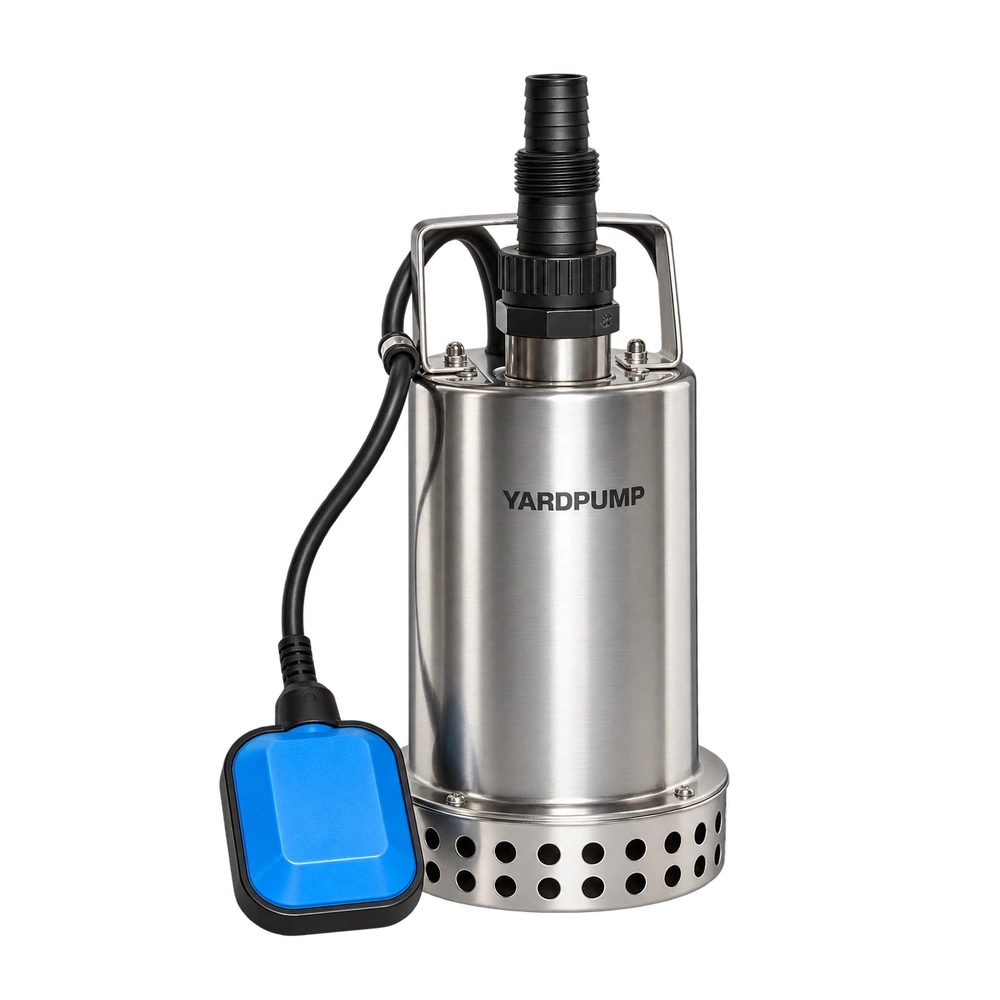
Suppose a garden pump is fed from a rain tank and the installation includes a controlled return branch. When the branch opens, the discharge is no longer nearly closed, but the sprinkler throws less far. Did the pump lose capacity? Compare total pump flow with useful delivery at the sprinkler. A recirculation path intended to protect an approved minimum pump flow does not promise the former sprinkler pressure or rate. Do not close a necessary protection path to regain reach or add an improvised branch as a universal remedy.
Follow both destinations of the water
A centrifugal pump operates where its performance curve meets the characteristics of its piping and outlets. Opening a return path alters the system. Part of the flow can go back to the source, which can raise total flow while useful sprinkler flow falls. Outlet pressure may shift as well. Minimum flow and acceptable operating conditions depend on the particular pump and its controls. A recirculation branch does not automatically remove any time, temperature or operating limit. Returning water to a small tank can also affect inlet conditions, stir sediment, introduce air or heat the same water repeatedly.
Confirm whether the specific equipment permits that arrangement and how the control or return path is intended to operate. Distinguish pump flow from useful delivery and pressure at a terminal nozzle. One upstream gauge cannot confirm both. Work involving fittings, pressure or supply should be planned by a qualified person. Isolate the pump safely and relieve pressure as directed before changes. Do not handle an energized pump or piping in unsafe water to test the arrangement.
Check the branch flows at the levels that matter
Record the source level, sprinkler configuration, route and elevations, permitted control sequence and the return destination. Have the assembled system checked at relevant tank levels and in each permitted mode. Use verified measurement locations and methods for the total flow and the delivery, and where practical confirm the return separately. A flow reading ahead of the split includes water that never reached the lawn. Record steady results separately from transient changes as valves operate. Use only the operating conditions authorized for the pump and controller. Do not create a prohibited closed-outlet test to see whether the return is large enough.
In an illustrative balance, total flow is twenty-four litres per minute and nine litres per minute go back to the tank. The sprinkler gets fifteen. If it needs eighteen, the task is not met even though pump total is above eighteen. Those numbers are hypothetical and are not minimum values for a pump. Do not assume reducing return flow by three litres per minute will give three more at the sprinkler. It can change total flow and head as the operating point moves. If the verified return needs to stay open, consider another approved configuration, a different choice of zones or other suitable control for the actual applications.
Give the purchase two operating requirements
Specify the required pump operating range and terminal delivery separately, and include how the return is routed and what conditions were tested. If the equipment or control requirements are uncertain, verify those first rather than deciding on an extra valve. Some installations can achieve the desired result by scheduling separate duties or choosing a pump suitable for the endpoint. Seeing water at the return shows that the path has flow. It does not establish full equipment protection or adequate water at the sprinkler.
Frequently asked questions
Why can total flow go up while sprinkler flow goes down?
The split diverts water and changes system head and pressure. Measure useful flow at the sprinkler as well.
Does an open return make it safe to close the nozzle?
Not as a general rule. Verify the approved operating and control limits for the exact system.
Should return water be directed right at the pump inlet?
Use the specified arrangement. The return can affect air, sediment and the approach flow at the intake.