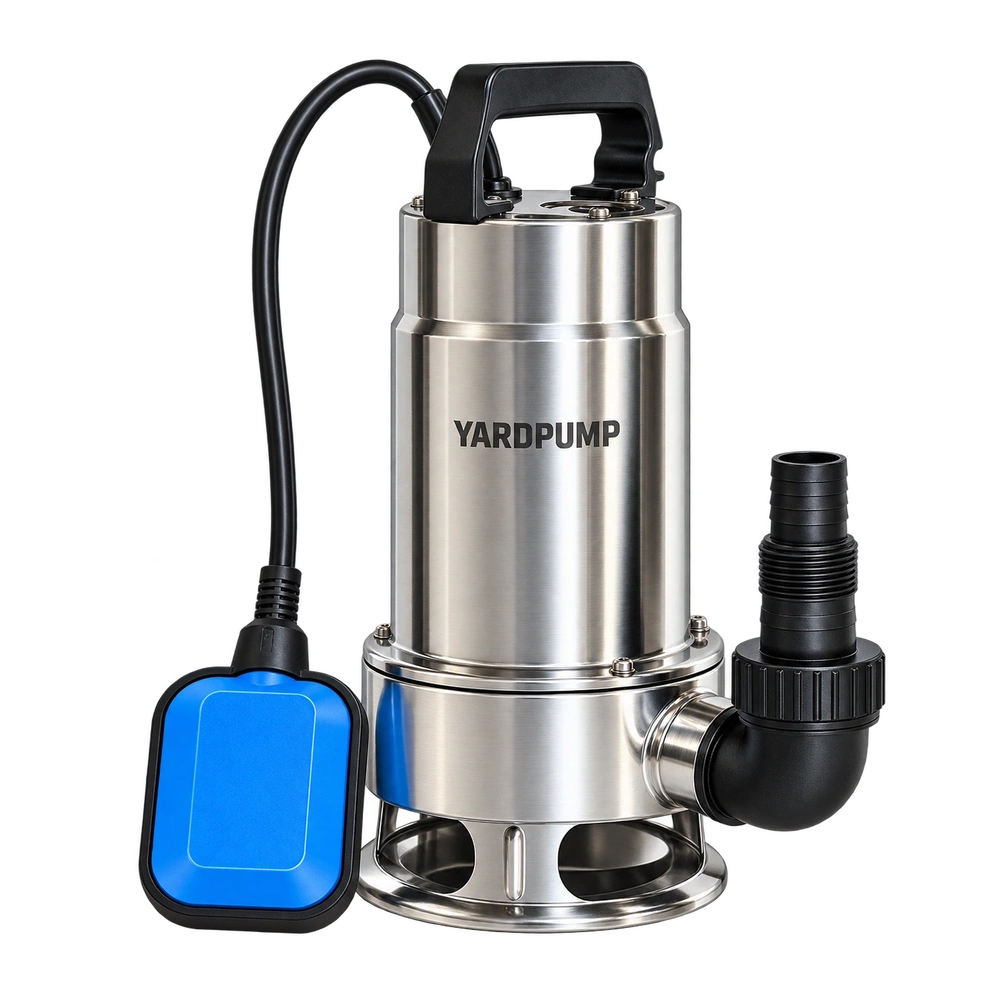
Consider a control box that hums while its contactor repeatedly pulls in and drops out. Would replacing it with a higher-current contactor solve the problem? Not necessarily. Coil supply, control signals, connections and magnetic condition all affect operation. A larger main-contact rating cannot automatically correct insufficient coil voltage or an intermittent control command.
Main-contact capacity is not the coil's operating condition
The main contacts switch the motor load. The coil and control circuit operate the mechanism. When identifying a replacement, confirm coil voltage, AC or DC type and applicable frequency as well as the main-contact duty. Similar dimensions do not establish interchangeability.
Mechanical and magnetic condition also matter. Contamination, corrosion, obstruction or damaged components may contribute to abnormal operation. A steady hum and repeated chatter are not identical symptoms. A phone recording alone cannot diagnose the cause or determine acceptability.
| Symptom or observation | What to investigate | Why a higher contact rating may not help |
|---|---|---|
| Repeated control-command changes | Level inputs and other control conditions | The command itself may be intermittent |
| Abnormal conditions during pickup | Coil identity, supply and circuit | Main contacts do not repair coil supply |
| Restricted mechanical movement | Mechanism and magnetic assembly | A larger device does not explain the fault |
| Noise continues after replacement | Complete replacement and wiring match | The original cause may remain |
Collect safe observations first
An ordinary user can provide equipment identity, when the symptom occurs, whether the pump cycles at the same time and any safely visible indications. Pronounced chatter, overheating or an abnormal smell calls for shutdown according to the equipment instructions and professional inspection, not repeated trial starts.
Qualified personnel should perform isolation, prevent reconnection and complete the necessary electrical confirmation before intrusive work. Any professional measurements require an appropriate safe-working procedure and suitable instruments. This article does not instruct users to probe exposed live coil terminals, grind magnetic faces or bridge level protection.
Do not hold the mechanism closed to keep the pump running. That can defeat normal control behaviour and introduces additional risk without establishing the cause.
Separate command, supply and device condition
First compare the actual coil with the control supply. Then determine whether the intended control command is stable. A changing level contact, connection problem or another control condition can cause the contactor to receive repeated on-off instructions. Distinguishing an intermittent command from abnormal pickup under a stable command is a useful diagnostic boundary.
Next assess control supply and component condition under the approved inspection plan. Consider a hypothetical sequence in which starting the pump changes the control-supply condition, the contactor releases, the condition recovers and the contactor picks up again. The resulting cycle cannot be explained or corrected merely by increasing the main-contact current rating.
The investigation should identify why the circuit condition changes and whether the complete control design remains suitable. The example is not a diagnosis for every chattering contactor.
Verify the whole control function after replacement
A replacement review should cover coil requirements, main-contact duty, auxiliary-contact logic, mounting and protection coordination. Do not select solely by the largest ampere number on the housing. Wiring or logic changes need appropriate approval; eliminating noise must not remove a protective or automatic-stop function.
Final checks should cover normal starting, stopping, automatic control and the relevant protections. Record whether the original symptom disappeared and whether any new operating issue appeared. Correct static wiring is not equivalent to successful operation throughout the required sequence.
A single successful pickup provides limited evidence. Where the fault depended on a particular operating condition, that condition needs to be covered by verification rather than assumed resolved.
This discussion provides a diagnostic structure. It sets no universal coil-voltage range or acoustic limit and does not diagnose a particular YARDPUMP model. Acceptance depends on the actual device information and control-system design.
Frequently asked questions
Does a slight AC hum always mean failure?
No. Consider the device's characteristics, changes in sound and actual operation. Chatter, overheating or other abnormal behaviour needs professional attention.
Does one successful continuity check prove the float-control circuit is sound?
No. A single reading cannot exclude an intermittent signal or connection problem during operation.
Can the contactor be held closed temporarily for diagnosis?
Do not use that shortcut. Forced operation may bypass normal controls and create additional hazards. Stop abnormal equipment and arrange qualified inspection.