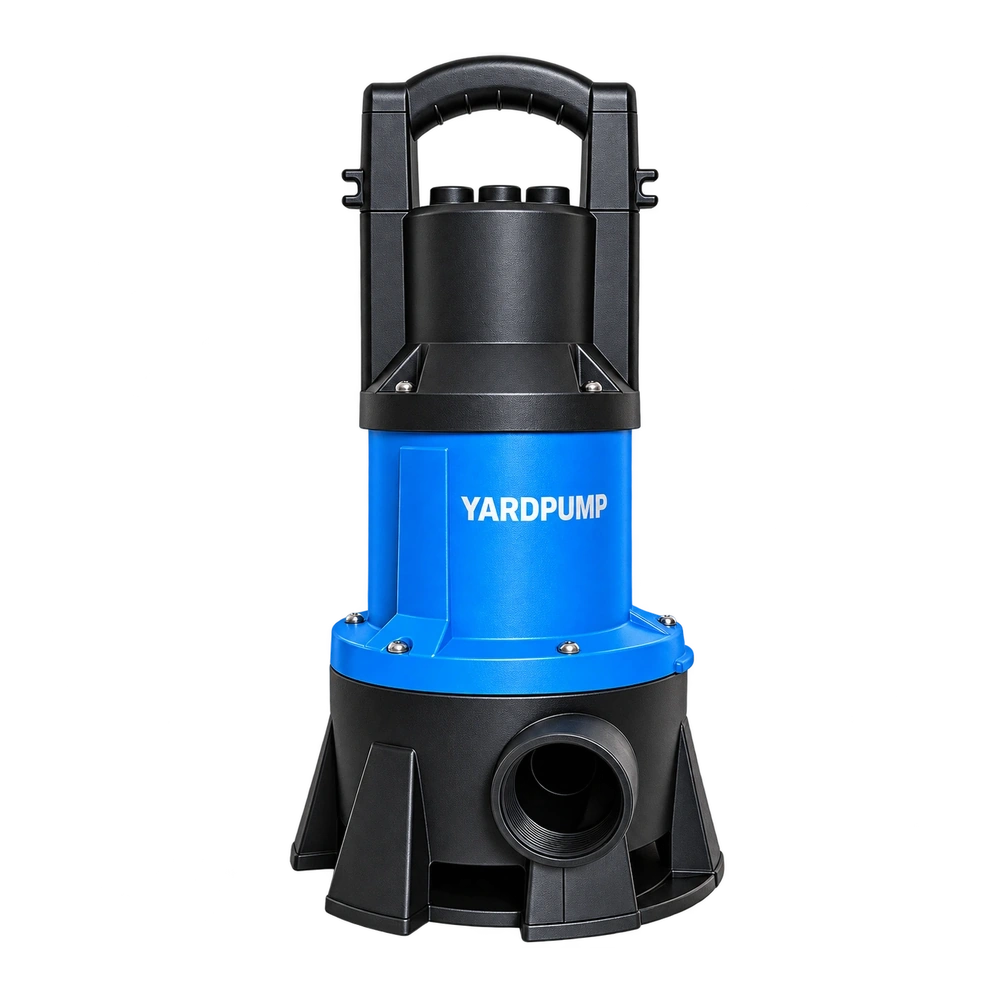
Suppose a small drainage pump discharges through a ninety-degree elbow fitted close to the outlet. The two pressure gauges read zero when stopped, yet disagree at the same running flow. The higher reading is not a safe substitute for pump head, and taking an average of the two readings does not fix the setup. Opposite bend walls can have different local static pressures. For acceptance, use the measurement sections and datum agreed for that test.
A bend changes where the pressure goes
Water changes direction as it flows around an elbow. The pressure distribution that turns the flow, together with uneven velocities and flow development downstream, can leave different static pressures around the circumference. Pressure can be higher near the outside of a typical bend than at the inside, but the difference depends on bend geometry, approach flow and the rate of discharge. A rough tap or a restriction at one connection can also alter what reaches a gauge. First establish whether the two holes are opposite sides of one section or whether the path between them also includes pipe losses.
Pump head describes the energy added per unit weight of liquid. The approved test calculation may account for inlet and outlet elevation, pressure and velocity heads and the effects of locating taps away from the pump connections. A submersible pump drawing from an open tank also needs a defined upstream water-level datum. A single wall tap measures local static pressure; it cannot give the full change in liquid energy by itself. A liquid column in an instrument line can matter if the gauge is at a different elevation from the tap.
Find out what the discrepancy follows
At a suitable stable test point, record water level, flow, valve setting and both pressures together. Verify the gauge ranges, condition, calibration and zero. Have bench personnel check for dissimilar impulse lines, trapped air, elevations or damping. After shutdown, isolation and depressurisation, qualified personnel can swap the gauges while leaving the tap positions the same. If the high reading still occurs at the same wall, check the tap and its location. If it moves with the gauge, verify the instrument first. A difference that follows a tap can be caused by a poor tap as well as by the flow in the bend.
For an acceptance retest, use a test section suitable for the approved method, with properly made pressure openings and identified elevations. A convenient hole beside a reducer or an elbow is not necessarily in a representative location. Use the straight run or multiple taps required by the agreed setup. If the existing rig cannot accommodate the method, move the test or mark the reading as limited instead of accepting the pump on that basis.
The five-kilopascal difference can matter
For illustration, suppose the gauges show forty-two and forty-seven kilopascals at the same time. The difference of five kilopascals corresponds to about 0.51 metres of water at ordinary water density. That describes the discrepancy in familiar units. It is not a pump tolerance. Their midpoint of 44.5 kilopascals need not represent a circumferential mean, and it still has no allowance for the velocity or elevation terms of the test. If the discrepancy could change a purchasing decision, repeat the test on a suitable measurement section and document the uncertainty.
Put the tap positions in the record
Sketch the pump, tank surface, elbow, local taps and final measuring section. Record bore, elevations, distances and whether the readings are repeatable at a steady flow. A field check can help find a troublesome location; acceptance needs a result that can be reproduced on another suitable bench. Align the test conditions before comparing two pump curves.
Frequently asked questions
Does the outside wall always have the higher reading?
No. Geometry, approach flow, the tap and its connection all affect the result. Verify the setup rather than relying on the sign of the difference.
Can a correct zero rule out gauge error?
No. Zero checks one condition. Response in the working range, damping and instrument line condition still matter.
What can we record if we only have the original fixture?
Record tap orientation, elevation, flow, water level and repeatability. Use it to diagnose the setup, and agree on a suitable section and decision criteria for acceptance.