An impeller retainer remains tight during a steady run but backs out after several stops. Does that prove the installer used too little torque? Not by itself. Preserve the condition and examine the thread direction, locking arrangement, joint engagement and the transient torque during starting and stopping. A rotating joint can experience forces that a steady running observation never reveals.
Follow torque through the joint
The motor accelerates the shaft and impeller during startup. At shutdown, those parts and the water do not necessarily slow at the same rate. Depending on the system, water can drive reverse rotation or apply a changing torque. The relative tendency across a threaded joint matters, rather than the simple statement that the pump normally turns clockwise.
Viewing direction also matters. A rotation arrow seen from the motor end has a different visual sense from the same shaft seen from the intake end. Identify the drawing's reference direction before reasoning about whether a thread tends to tighten. A thread that benefits from normal running direction still needs its specified retention method and full qualification.
Retain evidence before tightening
Isolate electrical power and prevent an unexpected restart. Qualified service personnel should photograph the retainer position, any witness mark, washer stack and engagement before changing them. Record whether the impeller shifted, rubbed or damaged another component. Keep loose pieces out of the hydraulic passage.
Check for wrong hardware, damaged threads, incomplete seating and interference that prevented the joint reaching its intended clamp condition. A fastener can reach an apparent tightening torque while bottoming or dragging on a defect. Conversely, discovering a loose nut later does not reveal the original assembly torque. The service conclusion should distinguish measured facts from reconstruction.
Reproduce the relevant stop condition
A useful test includes the installed discharge route, check-valve behaviour and expected cycling, not just a long open-tank run. For illustration, a joint can appear unchanged after a continuous period but move during repeated shutdowns with a returning water column. That identifies a condition to investigate; it does not assign a universal number of cycles or a safe degree of reverse rotation.
Set the test conditions and acceptance criteria with the responsible design team. Record rotation, retainer position and any backflow or unusual stopping event. Conduct tests with guarding and suitable instrumentation, without reaching into rotating equipment. Never defeat electrical protection to obtain additional starts.
Restore the approved retention system
Use the specified fastener, washer, engagement, seating condition and locking method. Do not substitute a different thread direction or add a convenient adhesive without approval. A thread-locking product may be incompatible with plastics or service requirements and can change the assembly and removal process.
If the system causes an abnormal stop or backspin, correct that condition as well as the damaged joint. Replacing a retainer alone may not address the initiating problem. Inspect the impeller, shaft and affected seal or bearing interfaces after movement, then apply the required repair-release checks.
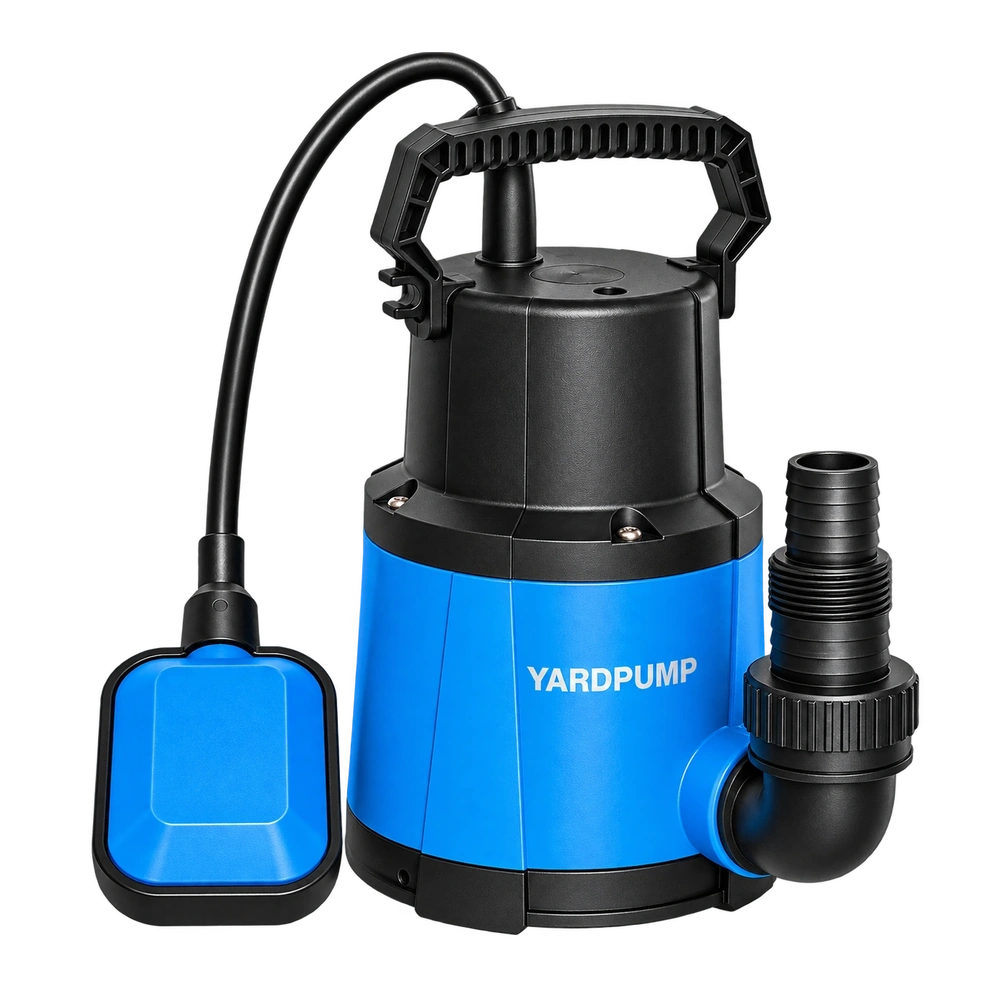
For a YARDPUMP dirty-water impeller enquiry, retain the exact model and revision. This discussion does not claim that all impellers use a threaded retainer or a common locking design. The decision is to validate the specified joint through the actual transient duty, with the discharge system included, rather than making the fastener tighter until the symptom temporarily disappears.
Witness marks help record movement only when their initial position is documented and they remain intact. A mark added after repair cannot establish what happened before the return. Use it as an observation aid alongside the controlled tightening record and inspection. The acceptance decision should not depend on paint alone, particularly where dirt, cleaning or inaccessible geometry makes the mark difficult to interpret.
Frequently asked questions
Does the normal rotation direction guarantee self-tightening?
No. Viewing convention, joint design and transient relative torque must all be considered.
Can a longer steady run replace cycling checks?
Not where loosening occurs during transitions. The verification must cover the observed condition.
Should I add threadlocker immediately?
Only the approved retention method should be used. Diagnose damage and operating causes before changing the joint.