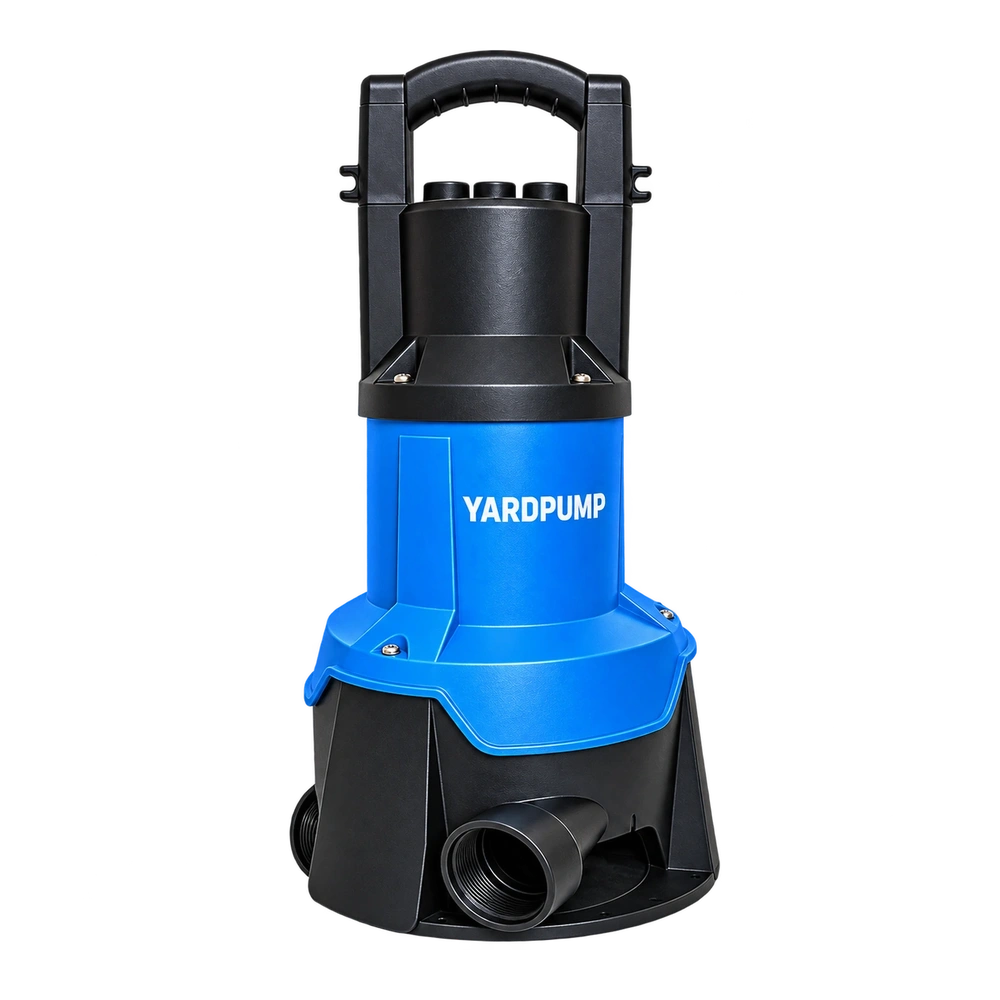
A customer uses a clean-water pump for a viscous emulsion or concentrated liquid, sees lower flow and changed current, and calls the rating false. A clean-water curve applies only to its stated test liquid and conditions. Viscosity changes friction and internal losses, while density changes the hydraulic power required at a given head. Material compatibility is a separate question.
What drives the result
Head represents energy per unit weight. A density change does not simply multiply head by the same ratio, but it changes pressure and power demand. Higher viscosity increases disc friction and passage loss, typically shifting flow, head and efficiency away from the water curve. Entrained gas, emulsions and non-Newtonian fluids are more complex. A changed ammeter reading alone cannot determine conformity.
An illustrative way to check
First obtain density, kinematic or dynamic viscosity, solids, gas content and chemical composition at operating temperature. Engineering can then apply an appropriate correction or perform a representative test. Labels such as oil, fertiliser solution or industrial wastewater are insufficient because products under the same name can differ greatly.
A sound investigation of pump viscosity density performance separates hydraulic, motor, structural and installation observations before connecting them. Replacing the first damaged part may restore operation temporarily while leaving the initiating cause untouched. Start with safe isolation and stated operating limits, preserve the original condition, examine the installation and liquid, and only then dismantle internal components. Comparison units must use the same voltage, frequency, piping, water level and running time; otherwise differences in current, temperature or sound have little diagnostic value.
Actions for the site or purchasing team
- Collect liquid identity, concentration, temperature, density, viscosity, solids and gas content.
- Check chemical compatibility of impeller, casing, shaft, seals and cable, not housing material alone.
- Do not promise special-liquid capacity from a clean-water maximum-flow number.
- At actual temperature and piping, measure duty point, input power, temperature and stability.
- Where properties vary, define an operating window and batch confirmation instead of an unlimited guarantee.
Limits and application boundary
Hazardous, flammable or toxic liquids require dedicated equipment and regulatory review. An ordinary drainage pump must not be inferred suitable from this article.
Frequently asked questions
Does higher density automatically reduce head? Not by a simple proportional rule, but pressure and power demand change.
Does viscosity affect only flow? It can also affect head, efficiency, power and temperature.
Is chemical compatibility enough for approval? Hydraulic, thermal, electrical and safety suitability must also be verified.
Related reading
At the Same Flow and Head, Does Lower Current Mean Better Pump Efficiency?