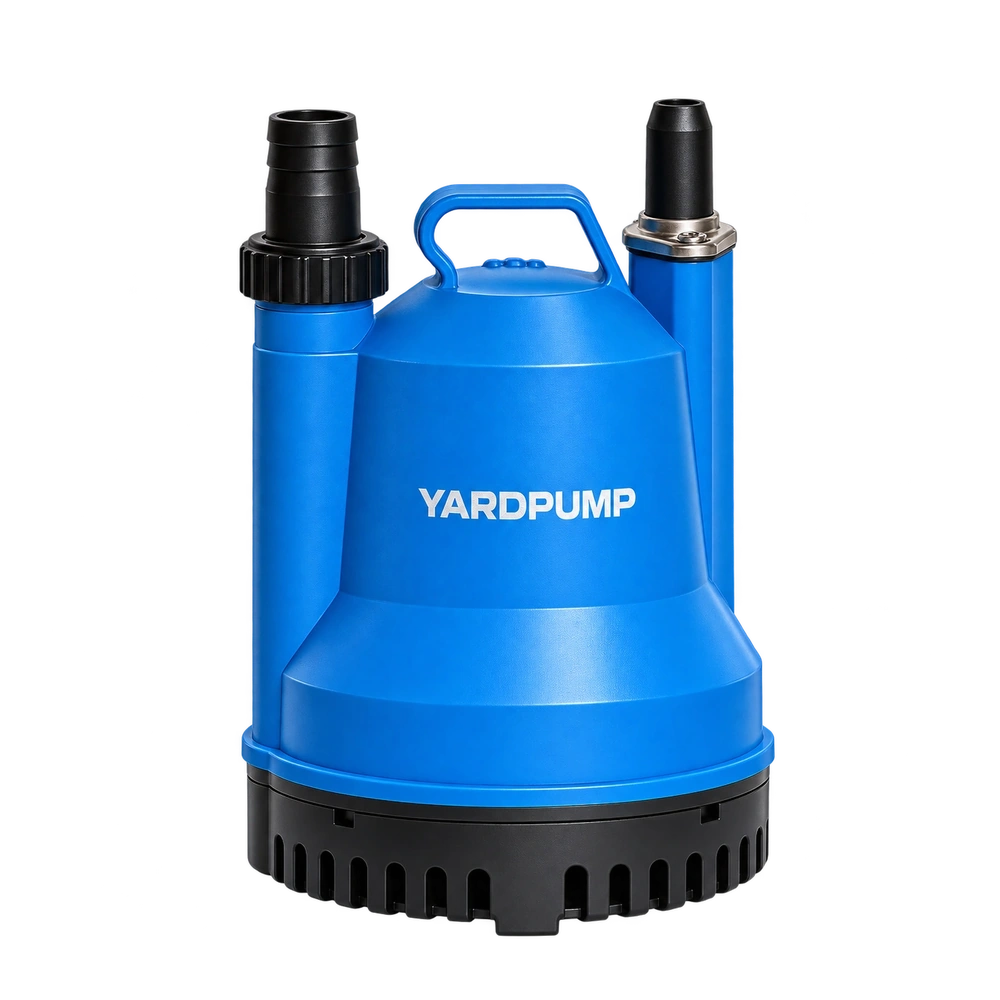
Imagine a clean-and-dirty-water submersible pump returns with a leaking mechanical seal. Both working faces look free of major chips, but fine silt is packed around an exposed spring. Is replacing the faces enough? First ask how the deposit reached that location, whether it restricted the moving parts and which path actually leaked. Intact faces do not show that the seal closed properly in operation. Visible mud also does not prove that it had already blocked movement while the pump was running.
The spring does more than hold a fixed position
A face seal relies on relative motion between its working surfaces while maintaining the required closing conditions. Spring force and fluid pressure can both matter. A moving part has design travel to accommodate changes such as wear or axial movement. On some designs, the spring is exposed to the liquid. Fine solids, scale or fibres can accumulate around it or its guide and interfere with return. Other designs isolate the spring from the main liquid. A deposit in those designs calls for a check of how it entered. A secondary seal that binds, a damaged spring and a face defect can give similar leakage symptoms.
Use the approved drawing for the actual version. Identify the spring contact, guide, moving parts and any opening to liquid or an oil chamber. Look at whether the deposit is compacted in a moving interface or simply present in a nearby cavity. Note whether it aligns with polishing, rub marks or the stopped position of a moving part. If the unit was cleaned before receipt, a free movement check may not represent its earlier condition. Record that limitation rather than treating the clean result as conclusive.
Make the travel check comparable
Have qualified personnel isolate the equipment and dismantle it under the approved procedure. Photograph and label the deposit before disturbing it, retaining a sample where appropriate. Record the medium and any cleaning or transport. Check travel, return and spring condition by the supplier’s method. Do not force extra movement or use a tool that damages the faces. Where the procedure allows, compare a known conforming assembly of the same revision. Separate installed compression and secondary seal friction from the effect of a deposit.
In an illustrative return, the approved drawing defines the expected travel. The assembly returns slowly in its received state, with silt concentrated in the guide. After approved cleaning, travel recovers, but there is also a continuous liquid trace outside the stationary seat. The first observation supports investigating restricted motion; the second calls for a separate check of the secondary interface. Neither observation rules out the other. It also cannot establish a defect rate or cause for other pumps.
Match the disposition to the pump and liquid
If packing recurs, examine the actual liquid, upstream screening, cleanout and the approved application. A suitable seal or pump may be needed for the real duty. Do not add spring force, change installed compression or drill a flushing path. If other faces or secondary seals are damaged, follow the approved repair arrangement. Verify the assembled condition with the specified dynamic and leakage tests. A smooth feel after cleaning is one observation, not an acceptance result. The report should distinguish where deposits were found, what movement they may have restricted and which other leakage routes remain open questions.
State whether the test covers a spring alone or the assembled moving part with its secondary seal. A travel result from one boundary cannot stand in for the other.
Frequently asked questions
Does mud around a spring mean the spring must be replaced?
Not by itself. Assess its condition, actual movement and the source of the deposit under the approved service method.
Can the assembly go back into service as soon as it moves freely?
Verify the faces, secondary seals and configuration, and complete the required running and leakage checks first.
Can a stronger spring overcome the problem?
Do not change it without approval. Closing load affects friction and temperature. First address liquid and design compatibility.