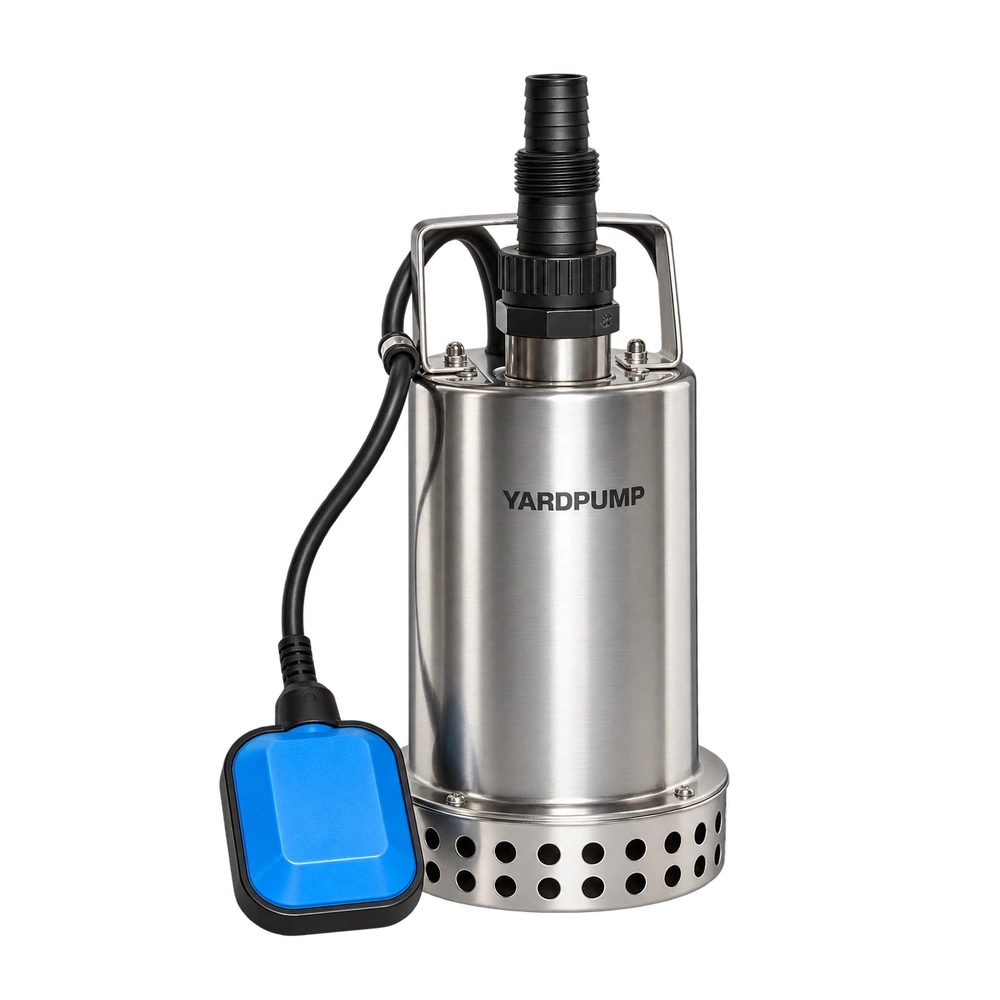
A returned pump leaks, but its mechanical-seal faces show no obvious cracks. Should the buyer simply specify a different face material? Not yet. In some seal arrangements, a secondary seal must allow a compensating component to move axially. Deposits, surface damage or an unsuitable fit can obstruct that movement even when the main faces look intact. Investigate the movement as well as the faces.
A secondary seal may have a moving job
The main faces control leakage between their opposing surfaces. Secondary seals close paths between a ring and the shaft, sleeve or housing. Where the design requires axial compensation, the relevant secondary seal must also permit the intended movement as wear and operating conditions change.
The arrangement matters. A pusher seal and a bellows seal do not accommodate movement in exactly the same way. Start with a section drawing showing the rotating components, stationary components and compensating member. Do not assume that the component which moved in a previous repair must move in this design.
A sound-looking O-ring can still create excessive resistance at its contact surface. A deposit can also make a moving member stick unevenly. Neither problem can be diagnosed reliably by photographing the faces alone.
A compressed spring does not prove that compensation works
Spring force must reach the faces through the intended load path. If a secondary seal resists movement, the compensating member may not follow the changing position as expected. Installing a stronger spring is not an automatic remedy: it can increase face loading and heat while leaving the obstruction in place.
Consider a hypothetical complaint: the pump remains dry during a cold static check, leaks after warming and improves after cooling. That pattern justifies investigating temperature and movement. It does not prove hang-up. Face distortion, shaft movement and changing pressure remain other possible explanations. Preserve those alternatives until evidence separates them.
| Inspection point | Evidence to preserve | Conclusion to avoid |
|---|---|---|
| Secondary-seal contact band | Deposits, flattening and rubbing marks | Correct size means correct operation |
| Shaft or sleeve | Steps, corrosion and rough patches | A shiny surface must be suitable |
| Spring and compensating member | Original positions and movement | More spring force is always better |
| Main faces | Contact pattern, wear and cracks | No crack means no possible leak |
Record the condition before cleaning
Isolate electrical power, address stored energy and have qualified personnel carry out the inspection. Record the seal revision, liquid, temperature history and operating conditions. Photograph deposits and original component positions before washing or wiping them away. Cleaning first can remove the most useful clue about where movement became restricted.
Check freedom of movement with the approved inspection method. Do not force parts or create dry rubbing between seal faces. Comparing resistance before and after cleaning can be informative, but is not a release criterion by itself. Dismantling may already have shifted the O-ring, so movement on the bench does not prove movement during operation.
Keep removed components identified. An unlabelled mixture of rings, springs and sleeves from several returns makes a later comparison unreliable, particularly when revisions look similar.
Correct the interface and its operating conditions
Review secondary-seal dimensions and compound, shaft finish, assembly lubricant and cleanliness. A lubricant that makes assembly easier is not necessarily compatible with the elastomer or pumped liquid. Arbitrary polishing or reduction of shaft diameter can alter the sealing fit and should not become an informal repair method.
If deposits arise from crystallisation or extended shutdown, consider the permitted flushing and storage procedure. If the obstruction contains wear debris, investigate where the debris originates. Replacing the stuck ring without addressing the source may leave the same failure mechanism active.
Verify the final configuration
Recheck the relevant temperature, pressure, starting and running conditions using the corrected configuration. Record leakage behaviour and the condition after testing. A short clean-water run cannot establish suitability for every liquid or prove service life.
For purchasing, request evidence that compensation remains functional within the agreed conditions, rather than requesting a different face material without a diagnosis. This is a general investigation framework, not a statement that every YARDPUMP model uses the same compensating arrangement.
Frequently asked questions
Does easy movement by hand rule out hang-up?
No. The dismantled temperature, pressure and deposit condition may differ from service. Use a controlled assessment.
Will a harder O-ring improve movement?
There is no universal answer. Hardness changes contact and friction; compound, dimensions and design remain relevant.
Does a stationary ring staying still prove correct compensation?
No. Preventing rotation and allowing axial compensation are separate functions and require separate checks.