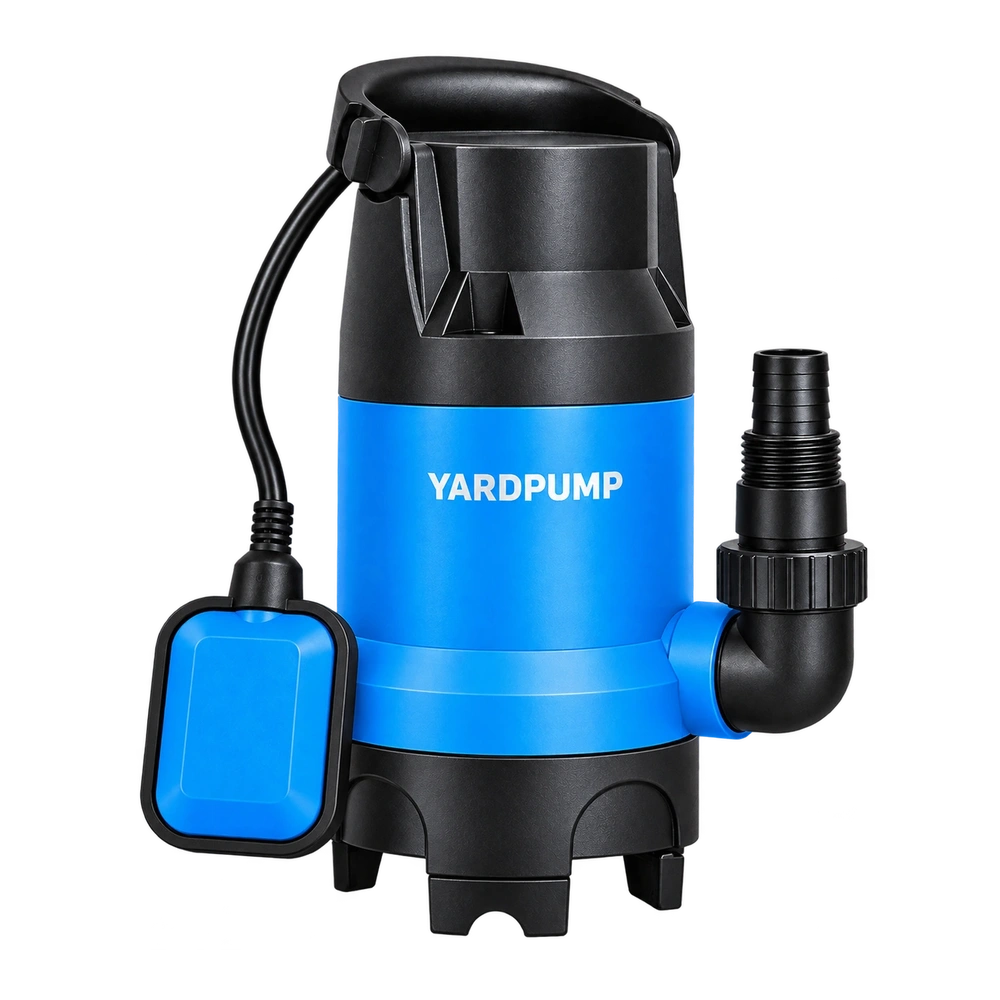
A submersible motor completes a heat run, cools for half an hour and goes straight into a second run. The second result is hotter after the same elapsed time. The apparent difference may be stored heat from the first test. Use a defined initial condition if the purpose is to compare motors; deliberately retain the warm condition only when the purpose is to test a hot restart or another specified duty cycle.
Record the temperatures that do not cool at the same rate
Winding, frame, internal oil where present and surrounding liquid exchange heat at different rates. A housing can feel cool while heat remains inside. Conversely, the tank may have warmed during the first run even if the motor was swapped out. At the same power and flow, warmer cooling liquid can change the absolute motor temperature and the approach to equilibrium. Time since shutdown alone does not define a reproducible start.
Write down what the test compares: temperature rise at stabilized operation, temperature at a fixed time, or behavior after a specified interruption. Then agree the baseline and how to tell it has been reached. For a comparison from a cool state, log the medium temperature at a representative location, use the approved way to assess motor temperature, and agree the stabilization or conditioning criterion before testing. With resistance-based measurement, use the same approved measurement method, timing and winding assumptions each time. An external surface reading is useful to follow trends but is not interchangeable with winding temperature. Keep a log of earlier running, even when the test room is unchanged.
Match the hydraulic and electrical duty too
Document frequency, supply, flow, head, liquid level, temperature and the water path around the motor. When the motor depends on flow around its housing, matching tank depth alone does not recreate the cooling arrangement. Use the same immersion and fixture geometry or record why a different setup is intended. A supply variation or impeller change can alter current and motor loss; compare electrical input and actual operating point before explaining a higher temperature as a winding design issue.
In an illustrative comparison, Run A starts with a winding estimate of 24 °C and Run B at 38 °C after a short pause. At twenty minutes they show 63 °C and 69 °C respectively. Their rises from their own starting winding readings are 39 °C and 31 °C, but those differences do not establish which design runs cooler. Starting temperature, liquid baseline and the later approach to stable operation matter. The numbers help identify a setup problem; they are not product data or test limits.
Use two test lines if both questions matter
A useful plan has one line for a cool-start comparison and one for the warm restart. In the cool-start line, each sample reaches the agreed initial condition, and readings are taken over the same operating range. In the warm line, define the preceding load, the interruption length and the event that ends the test. Capture the full time series, including any protection event, instead of presenting one end temperature. If temperature is still drifting when the agreed duration ends, label the result as a timed observation unless the governing procedure says otherwise.
Follow the model’s permitted test conditions and use qualified personnel for instrument connections. A valid temperature run shows behavior under stated cooling and load; it does not make the same conclusion transferable to a partly submerged installation or a different duty. Keep the tested configuration tied to the results.
Frequently asked questions
Can I declare a motor cool as soon as the housing feels cool?
No. Use the agreed method to verify the starting condition and consider both motor and liquid temperatures.
Is a repeat test invalid if the second run starts warm?
It can be valid as a warm-start test if the conditioning is specified. It is not automatically comparable to a cool-start run.
Should I subtract the same ambient temperature from both results?
Only use the baseline defined by the applicable procedure. Record the actual cooling medium and the motor’s initial condition for each run.