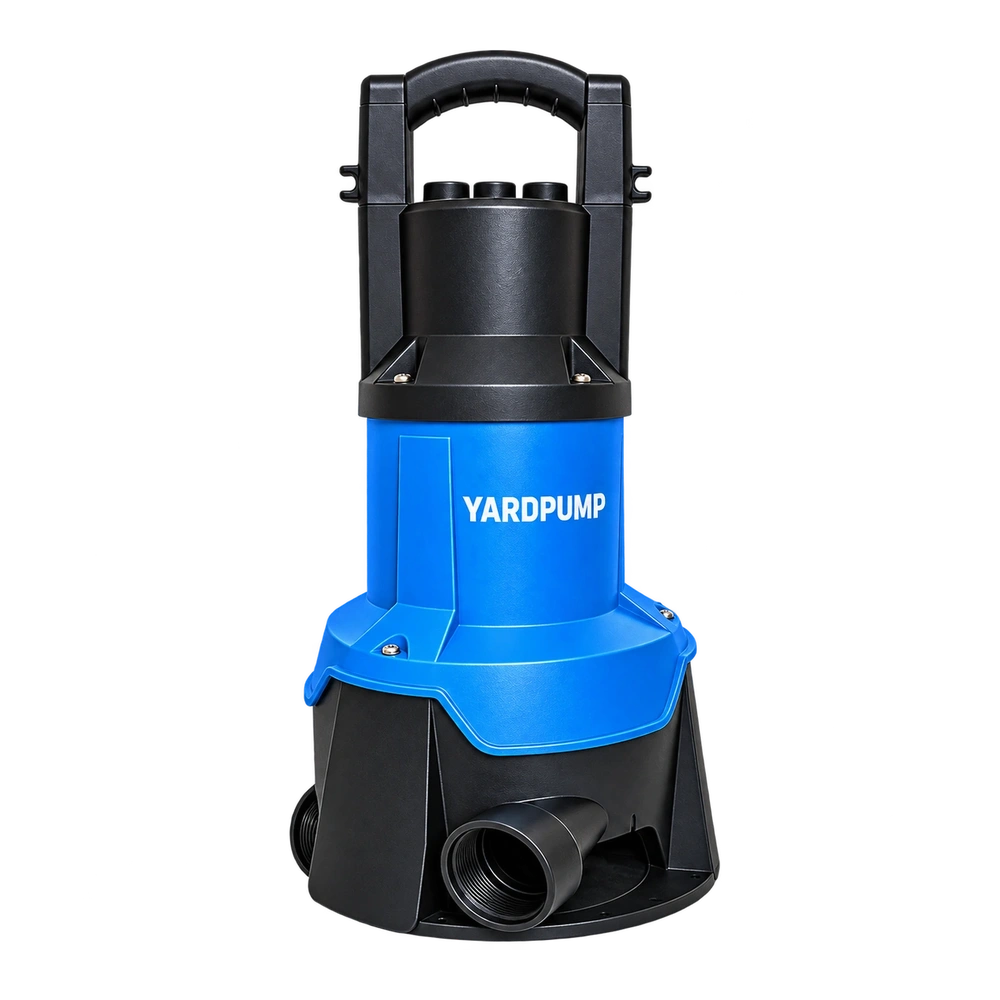
Suppose two spare O-rings have the same apparent cross section. One has a smaller inside diameter and must be stretched to fit the pump groove. Is it certain to seal tighter? No. Increasing the circumference can reduce the cross section, which changes the squeeze the closed joint actually applies. An O-ring that stays in place during assembly has passed only one part of the fit check. Look at the drawing, installed condition and approved sealing tests before deciding whether it can replace the original.
Distinguish free dimensions from installed contact
Pumps can use a face seal, a radial arrangement or another groove configuration. Check the intended compression direction and actual gland parts. When an O-ring stretches over an outside diameter above its free inside diameter, the same material is distributed along a larger circumference. For an approximately volume-preserving material, the area of the section then falls. A real ring may also flatten or distort. Do not automatically use the free cross section to calculate assembled squeeze. If the ring twists or stretches unevenly, the least effective spot may matter more than the mean. An excessively loose ring can also move, be pinched or leave the intended sealing line.
Request the correct free diameter, cross section, tolerances and compound. Compare these against the actual gland and application, including the liquid and temperature. Consider swelling, compression set and how assembly changes after exposure. Use the approved installation method. Do not stretch a spare until it feels snug, stack rings to add thickness or increase screw torque to compensate. If no approved drawing or configuration is available, preserve the original parts and consult qualified service or the supplier rather than guessing how the ring was intended to work.
Check the order of magnitude without turning it into a design rule
In an illustrative calculation a circular free section is three millimetres. Uniform stretch by four percent and constant volume would make its area about the original area divided by 1.04. If it stayed circular, its diameter would be about 2.94 millimetres. With an assumed closed gap of 2.55 millimetres, squeeze calculated using three millimetres is fifteen percent. With 2.94 millimetres it is around thirteen percent. The example illustrates a mechanism; it is not an acceptable stretch or squeeze limit. Actual flattening, material response, tolerances and the permitted pressure matter. Use the seal maker's design method and the approved pump drawing for acceptance.
Retain both the free measurements and the dimensions that give the installed reference. A removed ring may have been permanently deformed, so its remaining thickness is not always the right spare specification. Examine the actual groove and mating faces for particles, injury or burrs. A qualified technician should follow the approved assembly and verification, and isolate power from a dry point and relieve pressure before checking the equipment. Investigate any electrical or water ingress concern under the manufacturer's service process. One brief observation without leakage does not establish that the full use condition passed.
Keep the drawing view and size conventions on the spare list. A drawing dimension across the groove is not necessarily a free O-ring inside diameter.
Accept against an approved fit
The spare should have an approved part identification or documented qualification for the dimensions, material and application. Look at the actual direction and magnitude of the squeeze in addition to how securely the ring sits before closing the housing. Record the approved configuration and checks for the next repair. It is possible for a free ring to look correct and yet leave less sealing contact after installation.
Frequently asked questions
Does the same free cross section establish interchangeability?
No. Check the free inside diameter, compound, tolerances and installed fit as well.
Why check squeeze if the ring is held securely by stretch?
Holding a ring in position and compressing its cross section to seal are different functions.
Can I increase bolt torque if the exact O-ring is unavailable?
Do not use torque to compensate. Get an approved part and have the assembly verified as specified.