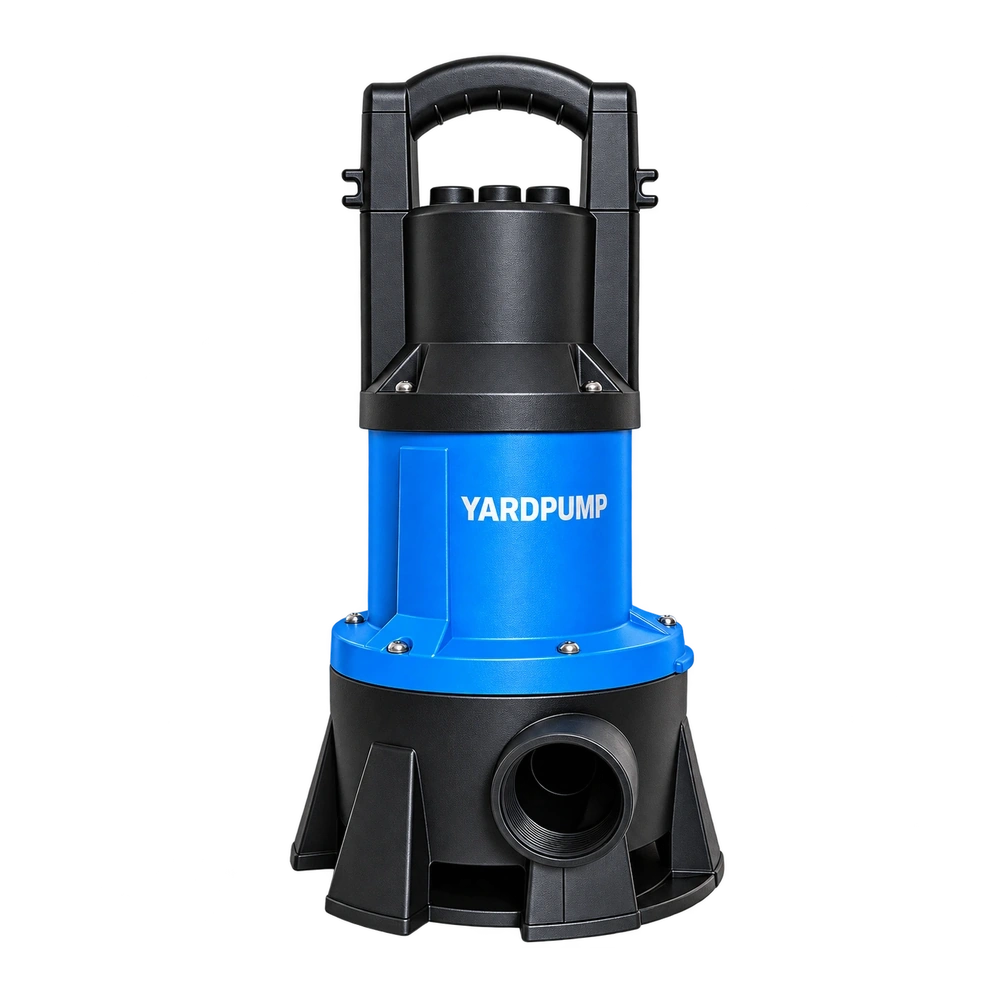
Service personnel may see an oil chamber that is not completely full and decide to remove every air space. That can create a new failure. A chamber commonly needs a specified oil quantity and controlled expansion volume. Too little oil can reduce the intended seal environment and heat transfer; too much can raise internal pressure and drive oil across seals or plugs.
What drives the result
Oil and surrounding parts warm during operation and change volume. Without expansion space, pressure loads the seals, plug and housing joints. With insufficient oil, the seal faces may lose their intended lubrication in some orientations. Viscosity, material compatibility, water content and filling cleanliness matter as much as visible level.
An illustrative way to check
Production should meter a specified mass or volume while controlling oil temperature and measurement error. On a return, measure unit mass or recovered liquid before altering it, and inspect colour, emulsification, particles and odour. This helps distinguish external residue, process contamination and seal migration. Topping up immediately destroys evidence.
A sound investigation of pump oil chamber fill level separates hydraulic, motor, structural and installation observations before connecting them. Replacing the first damaged part may restore operation temporarily while leaving the initiating cause untouched. Start with safe isolation and stated operating limits, preserve the original condition, examine the installation and liquid, and only then dismantle internal components. Comparison units must use the same voltage, frequency, piping, water level and running time; otherwise differences in current, temperature or sound have little diagnostic value.
Actions for the site or purchasing team
- Specify oil identity, quantity, tolerance, filling orientation and plug-sealing method on controlled documents.
- Meter with calibrated equipment and add a second check through unit weight or process error-proofing.
- Preserve the designed expansion space; visual full is not an acceptance criterion.
- Before teardown, document appearance, weight, plug and oil-sample condition.
- Revalidate temperature, pressure and leakage after any change to oil, quantity, seal or chamber volume.
Limits and application boundary
Chamber design and oil quantity are product-specific. Users should not open or refill a sealed chamber unless the manual defines a maintenance procedure.
Frequently asked questions
Does visible air mean the chamber is short of oil? Not necessarily. Designed headspace may accommodate thermal expansion.
Does extra oil protect the seal? Not automatically. Overfill can raise expansion pressure.
What does milky oil indicate? Possible water or contamination; assess it with seal condition and controlled tests.
Related reading
An Oil Film Around a Submersible Pump: How to Investigate a Distributor Claim
Changing a Pump Shaft Seal: What Should OEM Buyers Reapprove?