An OEM changes the reinforced plastic used for an oil chamber. A metal collar fits tightly in the new part and dry dimensions are acceptable. Can purchasing release the change? Identify how the insert stays in place and verify its retention, movement and sealing after representative fluid and temperature exposure. Tightness during assembly does not establish that the insert will not shift after cycling. The decision depends on the actual grade, geometry, loading and fluid, not simply on whether the polymer is PA66 or PPS.
Identify how the insert is held and where the seal works
A press fit relies on contact pressure and friction to resist pullout or rotation. A moulded-in design may depend on grooves, knurls, undercuts or a separate feature that stops it turning. Some designs combine these mechanisms. A seal can be independent or located at the insert interface itself. An insert that loosens might not leak immediately. An assembly that passes a leak test may still lack the retention needed for service or installation loads. Locate the axial and rotational loads and the sealing paths on the approved section drawing before planning the test.
Metals and polymers can change dimensions by different amounts during heating and cooling. Reinforcement direction, moulding conditions, sustained load and relaxation can change the way a polymer seat behaves. Actual fluid exposure and, for some grades, moisture conditioning matter too. The combination determines whether contact pressure grows or falls, so do not assume every loose insert is due to a softened plastic. A material data sheet is useful for screening grades, not for approving the hold and fit of a finished collar.
Run the comparison on representative production parts
Use the intended geometry, resin and moulding or insertion process. Record resin lot, conditioning, insert surface, actual insertion force or moulding conditions, and part location where relevant. Compare an unaged baseline with fluid-conditioned samples, thermally cycled samples, and a combined condition if the use actually combines them. Measure displacement and the applicable pullout strength or turning resistance at controlled conditions. Some designs need a representative hot measurement as well. A destructive pullout alters the interface. Use separate samples for leak tests or a sequence that leaves the seal undisturbed until that test is complete. Record whether any movement remains after the test load is removed; recoverable flex and permanent position change call for different follow-up. Only trained staff should perform the approved liquid, electrical and pressure testing.
As an illustration, an unaged assembly shows a 450-newton pullout load. After the agreed liquid exposure and cycling it shows 290 newtons, below an illustrative 320-newton requirement. Even if separate specimens still pass sealing, this result does not pass retention. Conversely, strong retention does not overrule leakage. None of these figures is a product or material specification. Make the measurement match the load the collar needs to resist rather than using a pullout result to approve every use.
Document when the result needs to be repeated
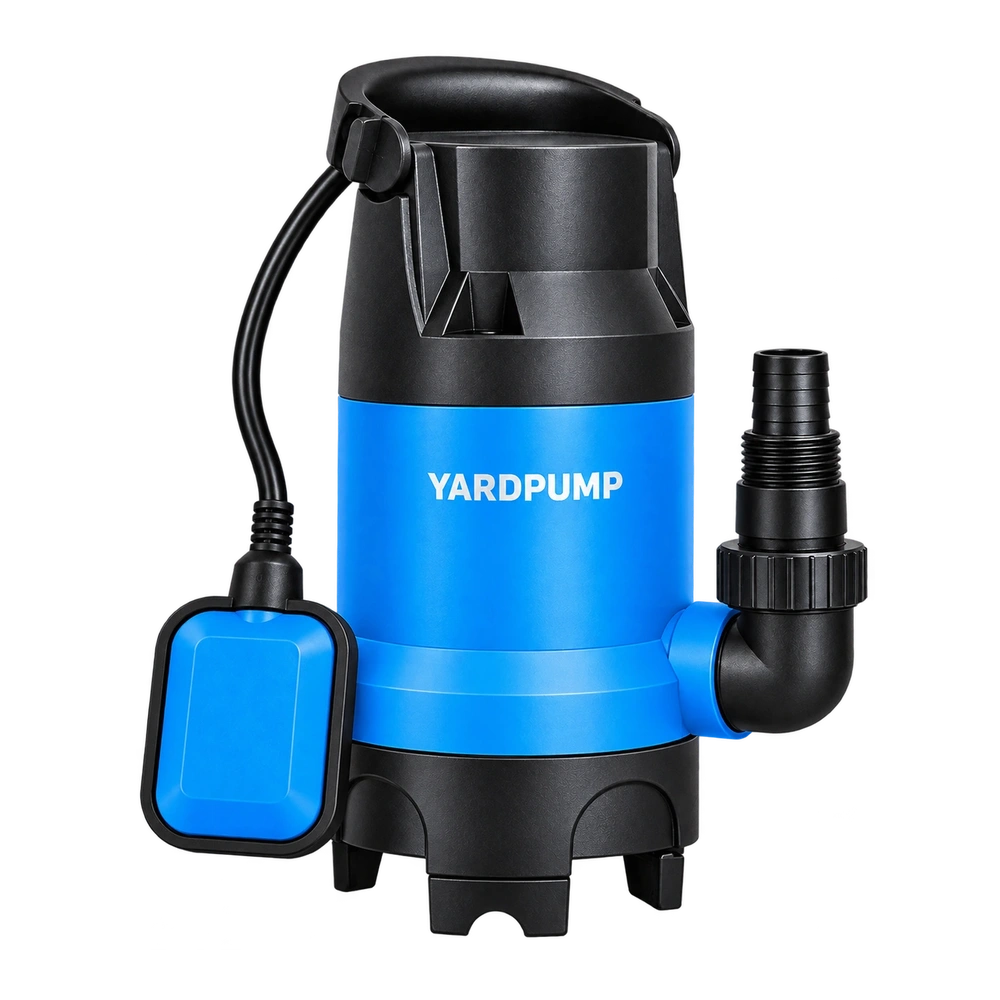
Record the full-grade identifier, insert geometry, process revision, fluid, temperature history and acceptance criteria. A change in the insert grip, gate position that changes reinforcement orientation, actual oil or thermal duty can change the conclusion. If an insert starts moving, check loss of interference, material changes and dimensional variation separately. Apply this assessment only to pump designs verified to have the relevant chamber and insert. The clean-and-dirty-water product category does not disclose a common internal construction.
Frequently asked questions
Would a tighter press fit solve it?
Not necessarily. Assembly stress, cracking, roundness and seal distortion may also change. Verify the actual tolerance range and conditions instead of increasing interference in isolation.
Can we skip liquid exposure if unaged pullout is high?
Initial retention cannot establish retention after fluid and thermal exposure. Use conditions that represent the documented application.
Why check rotation or movement when nothing leaks?
Retention and sealing can be separate interfaces. A shifting insert can change future assembly, seal position or reliability before it starts leaking.