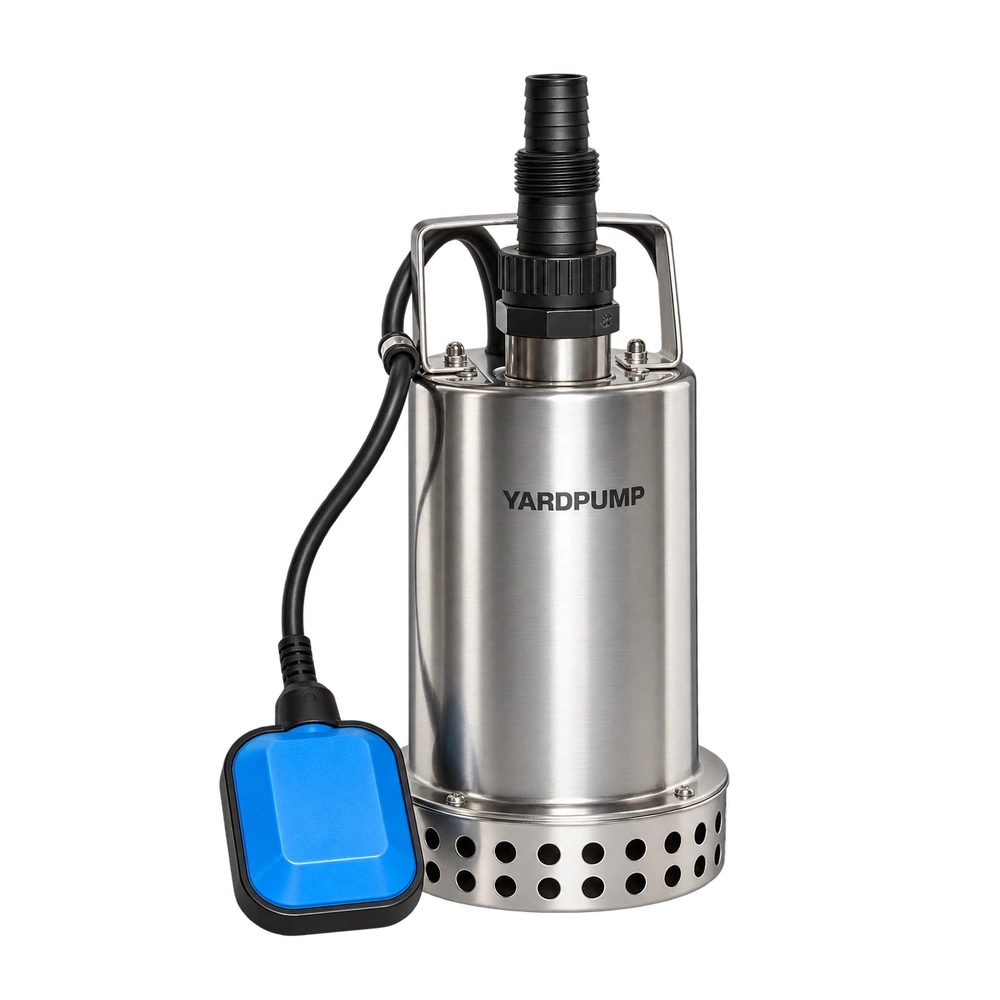
Take this diagnostic situation as an example. A pump remains electrically open after cooling. A service buyer assumes its temperature protector is faulty and proposes a self-resetting replacement. First identify the actual component. A one-shot thermal link is designed to interrupt once and remain open; a resettable protector has a different operating function. The fact that both react to temperature does not make them interchangeable, and an open circuit alone does not identify either one.
Reset behaviour is part of the protective design
A resettable thermal device may reclose after the required conditions are restored, depending on its design. A one-shot thermal link is not intended to resume function after operation. Its action can be the intended final interruption of an abnormal temperature event. Replacing it with an automatically reclosing device can permit repeated operation that the original design did not authorize.
The reverse substitution can also change the installation's intended behaviour and service requirements. A manually reset device is another distinct arrangement. Determine the complete pump protection scheme, not just the shape of a small component or whether two leads are visible. The actual approved YARDPUMP model and version govern its supplied protection; this discussion does not assign a thermal-link construction to every model.
Diagnose an open circuit without bypassing it
Stop and isolate the pump. Qualified personnel must verify a safe electrical state and deal with stored capacitor energy before checking circuits. An open winding, broken connection, sensor interface or operated protective device can produce an open reading at some terminals. Use the wiring diagram and approved diagnostic method to locate it.
Do not bridge the device to see whether the motor runs, and do not ask the owner to heat or cool it experimentally. A stationary pump is not proven safe for handling. Automatic control can request another start, and parts may remain energized even when a motor circuit is interrupted.
| Identification item | Why it matters |
|---|---|
| Exact part and function | Distinguishes one-shot, manual-reset, automatic-reset and sensing devices |
| Temperature characteristics | Identifies the defined operating and non-operating conditions |
| Electrical rating | Must suit the relevant current, voltage and interruption duty |
| Position and mounting | Determines thermal response and exposure during assembly |
| Complete protection circuit | Establishes shutdown, restart and service behaviour |
A temperature number alone does not approve the spare
Component data can distinguish a rated functioning temperature from other specified temperature limits. Do not treat every temperature on a datasheet as the trip setting. Current through the component, mounting location, insulation and thermal contact can influence its behaviour. The relevant part's approved assembly instructions also govern joining and handling so installation does not damage or prematurely operate it.
For an illustrative substitution request, two devices have a similar headline temperature, but one is a non-resettable link and the other recloses on cooling. Matching that number does not preserve protection. Even two one-shot links need comparison of their exact ratings, construction, mounting and approved applicability. These examples do not prescribe a temperature or a replacement for a specific pump.
Investigate the event and release the approved repair
If a thermal link has operated, identify the conditions that led to it. Unsuitable cooling, overload, supply or insulation faults can remain after a new component is installed. Replacing the protective part alone does not clear the cause. Where the link is embedded in a non-serviceable winding or assembly, the approved action may be replacing the defined motor assembly or pump.
Keep component identity and the final protection test connected to the service record. Use the manufacturer's required electrical, sealing and operating checks before release. For importers and distributors of compact pumps, order the exact approved protective assembly rather than a generic “same-temperature switch.” The purchasing decision must preserve both what stops the motor and what is permitted to happen afterward.
Frequently asked questions
Does cooling always restore an operated thermal device?
No. One-shot links remain open by design, while resettable devices follow their specified conditions. Identify the actual component.
Can a continuity test establish the temperature rating?
No. It observes an electrical state under that test. It does not prove the thermal characteristics, mounting or protective function.
May a one-shot link be replaced by a fuse of similar current?
Not as a generic substitute. Overcurrent and thermal functions differ; use the approved component and repair procedure.