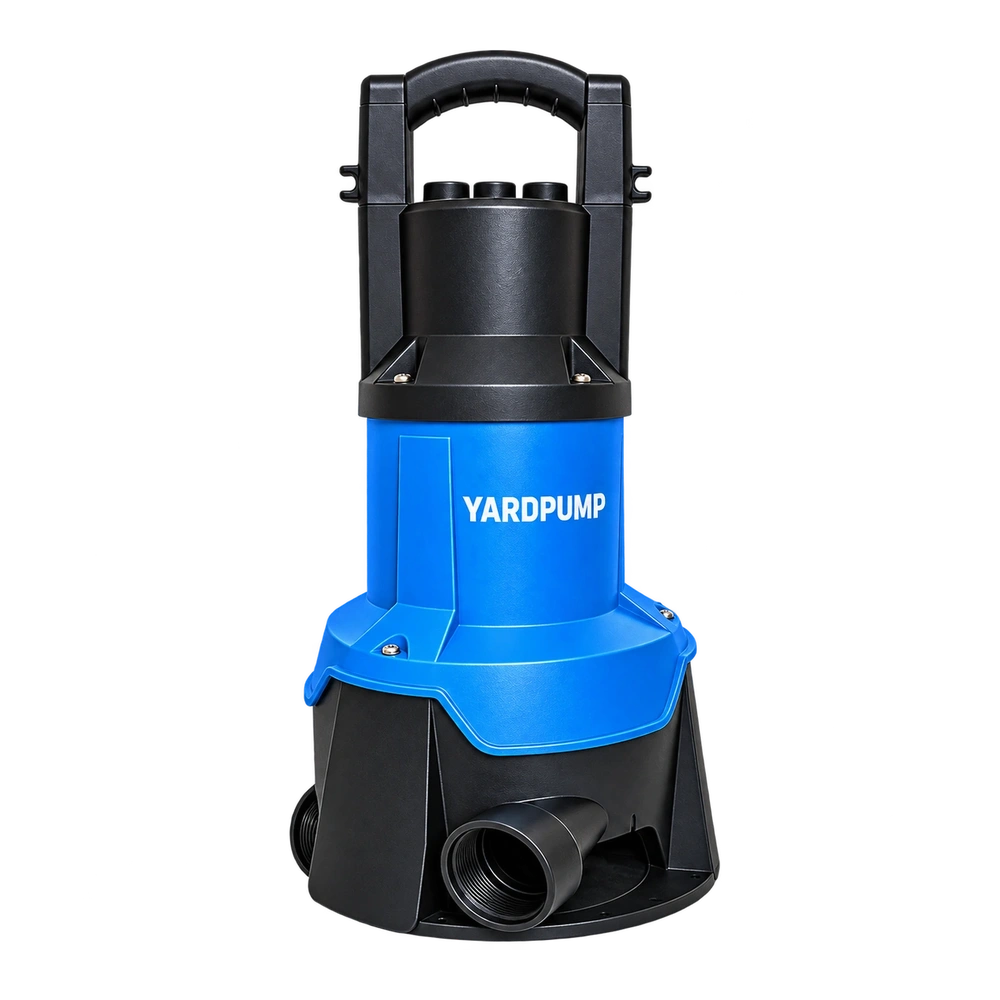
Consider this hypothetical returned-part assessment. “A returned pump has a groove where the lip seal runs. Would a harder stainless-steel shaft solve it?” Not necessarily. Journal hardness matters, but abrasive particles, lubrication, shaft movement, seal material, surface condition and corrosion also affect wear. A repair sleeve must be assessed as part of the sealing arrangement, rather than accepted simply because it covers the groove.
Establish how the groove developed
A radial lip seal relies on controlled contact with its shaft journal. Fine particles entering that contact can contribute to abrasion. Insufficient lubrication, abnormal temperature or eccentric running can increase wear. Corrosion pits can also disturb contact and damage the lip.
Preserve the removed seal, shaft and relevant liquid or sediment evidence. Record groove location, width, depth and circumferential uniformity. A consistent contact band, localised wear and corrosion pitting suggest different investigations. Finding a groove does not by itself prove that insufficient shaft hardness was the original cause; contamination or misalignment may remain unresolved.
Inspect the seal lip as well as the shaft. Embedded particles, uneven wear and installation damage can help distinguish mechanisms. Record the component orientation before cleaning or replacing anything.
Compare hardness with the rest of the material specification
Ask for the actual shaft material, heat-treatment or surface-treatment condition and requirements at the seal track. “Stainless steel” does not establish identical wear resistance across grades and processing routes. A harder candidate is not automatically more corrosion-resistant in the intended water chemistry.
| Candidate change | Items to verify | Conclusion to avoid |
|---|---|---|
| Shaft material or heat treatment | Local hardness, structure, corrosion behaviour and dimensional stability | Harder always means longer life |
| Surface coating | Thickness, adhesion, porosity, edge transitions and finishing | Any coating prevents wear |
| Repair sleeve | Fit, runout, installation edges and seal compatibility | All original parameters remain valid |
Use the seal supplier’s journal requirements for the actual arrangement. A single universal hardness value is not an adequate purchasing rule for every pump.
A coating is a process, not just a material name
A coating can improve the contact surface, but poor preparation, inadequate bonding or uncontrolled thickness can introduce flaking, porosity or an unwanted step. An unsuitable edge may damage the lip during assembly or operation. Assess the complete process and the surface after service, not merely the appearance of a new coated part.
Validation should represent the liquid, temperature, speed, shaft movement and lubrication conditions. Check finished geometry as well as the contact track. If a coating repairs a previously worn journal, demonstrate that the restored shape and dimensional accuracy meet requirements. One maximum-diameter reading does not establish a sound repair.
Assess a sleeve as an assembly change
A purpose-designed thin repair sleeve can provide a replacement running surface for some radial shaft seals. Suitability depends on the shaft dimensions and construction. Confirm the resulting contact diameter, sleeve runout, end position, available space and the path over which the seal lip passes during installation.
Some sleeve products permit the original nominal seal size under their specified conditions. That permission is product-specific, not a rule for arbitrary sleeves or every pump. Follow the relevant sleeve and seal instructions.
Submersible pumps may have limited space around the sealing chamber, retaining rings, impeller and neighbouring seals. A sleeve suitable for one industrial shaft arrangement cannot be transferred automatically to another pump. Qualified personnel should complete the approved repair and subsequent water-tightness, electrical-safety and operating checks.
Validate the proposed improvement against the failure mechanism
At sample approval, retain journal measurements, seal identification and assembly requirements. Compare leakage, shaft wear and lip condition before and after a suitable endurance assessment. If fine sand is the problem, also investigate contamination exclusion and the liquid path. A harder shaft alone may leave the damaging condition unchanged.
Include unannounced changes to shaft material, heat treatment, coatings or seal supplier in the change-control agreement. Preserve returned parts before polishing away the groove. The final conclusion should identify the mechanism addressed and the operating conditions that still limit the solution.
Frequently asked questions
Can we replace only the seal if the groove looks shallow?
Check journal dimensions, surface condition and the seal supplier’s limits. A new lip running on a damaged track may still leak or wear quickly; visual judgement alone is insufficient.
Can we move the lip seal slightly along the shaft?
Only with an approved assembly assessment. The new contact location, lubrication, lip direction and available chamber space may all change.
Does the sleeve approach also apply to mechanical-seal faces?
Not directly. This discussion concerns radial lip contact with a shaft journal. Mechanical-seal face materials, geometry and installation need their own assessment.