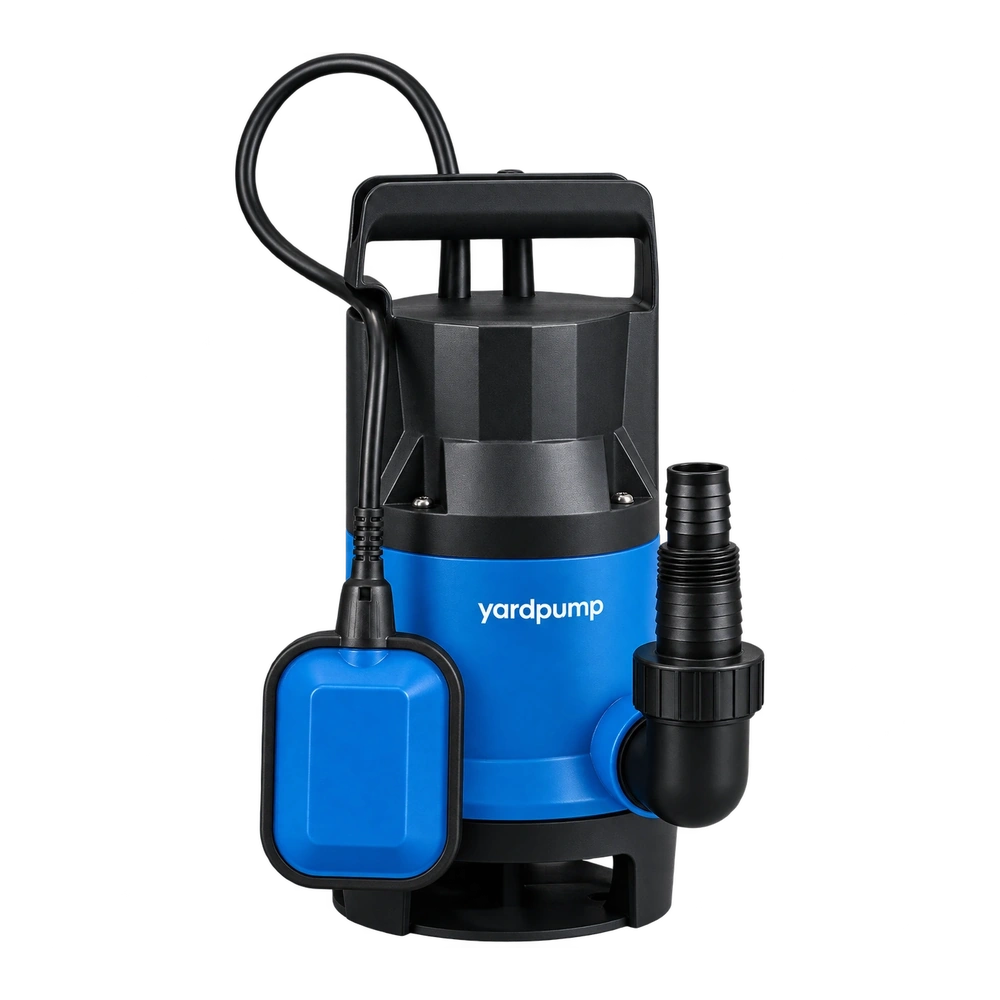
An OEM replaces one spring clamp terminal in a compact pump assembly. It lists the same conductor cross-section as the previous terminal, so the existing crimped ferrules are left unchanged. During bench inspection, some leads stop early because the ferrule shoulder touches the entry before the conductor reaches the proper position. A matching wire size does not establish compatibility. Check the terminal maker’s rules for the particular conductor, ferrule and insertion depth, then qualify the complete revision.
Compare the parts that actually make contact
A ferrule contains a metal barrel crimped over the strands. Some ferrules have an insulating collar. The spring presses on the lead at a position determined by the terminal’s internal geometry. Barrel length and cross section after crimp, collar clearance, insertion direction and the allowable conductor determine what reaches that position. A collar may keep a short metal part from going far enough, or an overlong metal section may sit outside the enclosure’s intended insulated area. A ferrule that works with one terminal style is not necessarily allowed with another.
Compare the specific terminals, not only their nominal current or wire area designation. Verify whether the maker permits ferrules for the stated conductor type and material, and if so which construction, length and crimp profile it specifies. Some terminals accept certain bare stranded conductors under their own preparation rules. That does not mean a wire can safely be used bare or with a different ferrule in another design. Insulation clearances and the pump drawing still matter.
Approve preparation and insertion on a safe bench
Qualified assembly or service personnel should work on the isolated assembly and follow the manufacturer’s procedures for spring actuation, conductor preparation and crimp tooling. Record actual conductor and terminal codes, ferrule type, strip length and inspected crimp shape. Use an approved installation sample to establish what proper insertion looks like; do not pry the spring or trim an insulating collar to make the old part seem to fit. Where the terminal maker provides an inspection window or depth cue, check it. Build space and lead routing should match the pump assembly so they do not conceal a marginal insertion.
In a hypothetical comparison, the old approved ferrule has a shorter metal barrel than the profile recognized for the new terminal. Its collar reaches the entry stop while the crimped section does not reach the specified contact position. A separately approved connector and matching ferrule assembly seats correctly with no exposed conductor where the design calls for insulation. The example points to checking the complete interface, not to lengthening every ferrule for every spring clamp.
Use the applicable qualified retention and electrical verification rather than judging only by hand tug or a continuity beep. A brief continuity indication can occur through limited contact that is not appropriate for load. Include any approved conditioning or thermal checks where the revision requires them. Do not ask a consumer to open a powered pump, test a wet cord or energize the part during inspection. An electrical fault or suspected water ingress calls for safe isolation and qualified service.
Control the revision in production and parts supply
Tie the terminal, lead, support, crimp tool and ferrule to the same bill of materials and assembly instruction. If multiple suppliers offer the same size, use qualified combinations by part and revision. Retain an as-built sample and check that the new termination does not require a different length of lead or compromise routing and strain relief. Keep old work in progress separated and decide how traceable existing assemblies will be dispositioned. Do not assume a supplier’s component rating covers the assembled pump change.
Close the approval when the approved configuration seats consistently, the required assembly validation has passed and the packing and service records can identify which termination was shipped.
Frequently asked questions
Does a ferrule always improve a spring clamp connection?
No. It must be permitted for the terminal and conductor and correctly prepared.
Can an operator force a terminal shut if the collar is in the way?
Stop and verify the part pair. Forcing the connection can damage the conductor or terminal and hide inadequate insertion.
Is the current rating enough to accept a replacement terminal?
No. Check the exact prepared conductor, mechanical seating, insulation conditions and complete assembly verification.