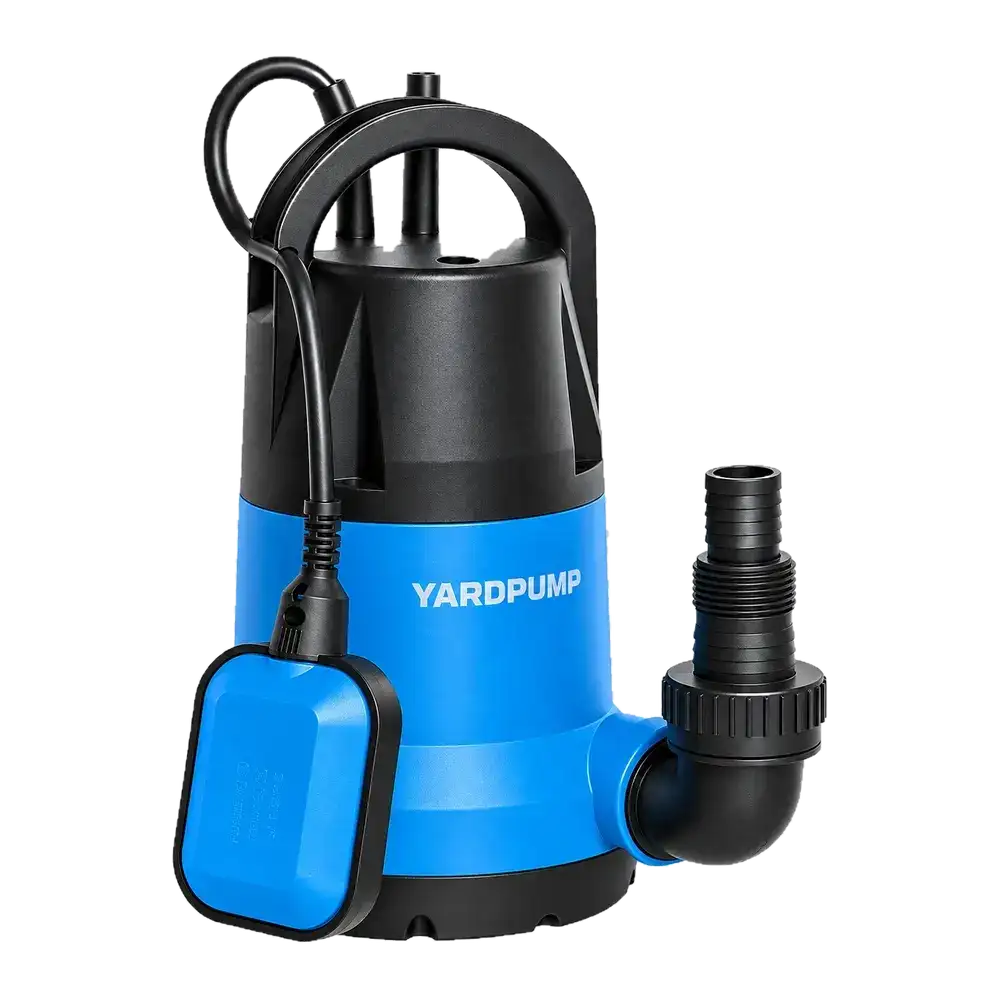
Stranded motor leads are difficult to insert neatly into a screw terminal. Would solder-dipping the stripped ends make the connection more reliable? Do not use that as a general improvement. Follow the terminal manufacturer's approved conductor preparation. A solder-filled wire end can change under clamp pressure and temperature, while a correctly specified ferrule or direct bare-wire connection may be the intended method.
Three different things are often called tinned wire
Factory tin-plated individual strands are not the same as solder flowed into a stripped bundle. A plated ferrule is another construction. The surface colour may look similar, but the clamp interacts with different shapes and materials. A statement that a terminal accepts tinned conductors does not automatically approve a hand-soldered solid bundle.
Identify the terminal model, conductor class and cross-section, and whether it accepts bare strands, ferrules or another prepared end. Some connection technologies have specific restrictions. Do not assume every terminal benefits from a ferrule either; use its instructions, approved dimensions and current capacity.
Initial tightness can change in service
Solder can deform or fracture within a clamped bundle, and thermal cycles can alter the contact condition. A connection that feels firm immediately after assembly may therefore lose its intended pressure. Increased contact resistance can create local heating, which is distinct from the motor's normal winding temperature rise.
This does not mean all soldered electrical joints are defective. Soldering is valid in designs and processes intended for it. The concern here is changing a screw-clamped conductor end without qualification. Repeatedly retightening an unsuitable termination is not the same as restoring an approved connection.
Control the preparation process
For a ferrule-approved terminal, specify the ferrule cross-section and length, the correct stripping length and qualified crimp process. A loose sleeve or the wrong barrel size can introduce another defect. For a bare-wire-approved connection, control stripping damage and ensure every strand enters the intended clamping region.
Use the prescribed tightening condition and do not add solder after clamping. Keep insulation outside the electrical contact region while avoiding excess exposed conductor. These requirements belong in a production or competent-repair instruction; they are not an invitation for a user to open a wet pump or alter its electrical design.
Verify the joint beyond a pull by hand
An illustrative process review compares the released termination with a proposed preparation change using the specified mechanical and electrical assessments. Relevant checks can include retention, connection resistance and temperature behaviour under defined loading. Their methods and limits come from the terminal and equipment requirements, not a universal article value.
Electrical isolation, stored-energy precautions and qualified personnel are essential. Preserve any overheated terminal and wire end before cutting or cleaning it. Discolouration is evidence for investigation, but it does not alone prove solder was the cause. Loose clamping, damaged strands, oxidation or other defects may coexist.
For YARDPUMP compact pump production and service, retain the approved termination and complete electrical version. The useful decision is to specify a reproducible conductor-to-terminal interface. A shiny soldered end can look tidy while moving the joint away from its qualified construction, so appearance should never be the release criterion.
A terminal change also needs review even when the wire preparation is unchanged. Different clamp shapes or conductor-range declarations can alter what is permitted. Keep the terminal identity, wire class, ferrule where applicable and tooling together in the BOM and work instruction. This prevents an assembler from copying a previously successful solder or crimp practice into a new connector without recognizing that the qualified interface has changed.
Record the approved tooling and its verification status with the termination process.
Frequently asked questions
Are factory tin-plated strands the same as solder-dipped ends?
No. Their construction and behaviour under the clamp differ.
Are ferrules always mandatory?
No. Use only the conductor preparation accepted by the exact terminal and equipment design.
Can a hand pull prove long-term electrical integrity?
No. It is not a substitute for the specified mechanical, electrical and thermal verification.