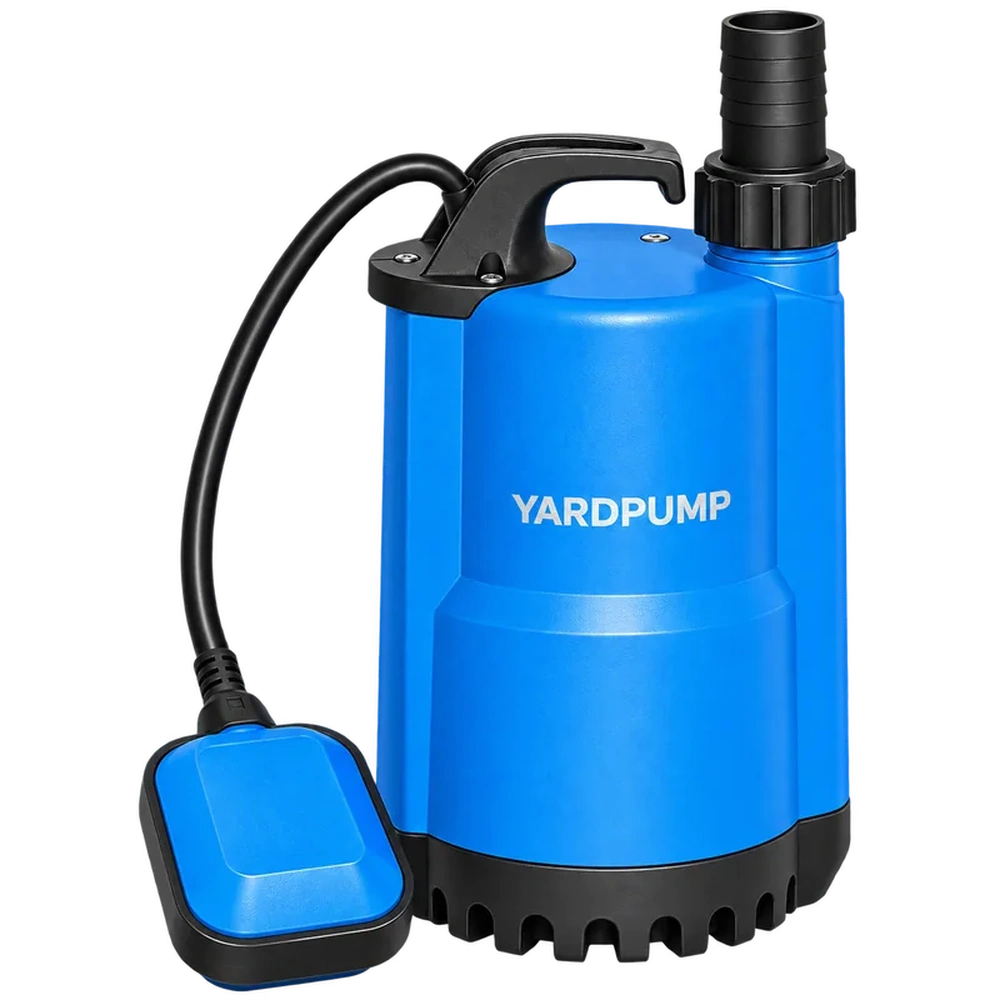
A pump’s running current remains within its allowed range, but one internal connection becomes hot or discoloured. There is no contradiction. Normal overall current does not exclude local contact resistance and concentrated heating. Investigate the terminal, conductor, tooling and crimp process rather than assuming a thicker cable will solve it.
A small resistance can create a local heat source
The relationship P = I²R explains the mechanism. For illustration, 5 A passing through an additional local resistance of 0.02 Ω produces about 0.5 W at that connection. Concentrated in a small, poorly cooled region, that heat may matter.
The example does not establish a resulting temperature or an allowable terminal resistance. Thermal behaviour depends on geometry, materials, heat paths and operating time. Nor does discolouration prove crimping is the sole cause. External heating, corrosion, damaged strands and loose connections may contribute. Preserve the original position and marks before dismantling.
A flatter crimp is not necessarily a better crimp
Terminal and conductor material, area and strand construction must be compatible. Strip length, intact strands, crimp height and tool condition need the approved process. Undercompression can leave poor contact; overcompression can cut strands or damage the terminal. External tightness and an informal hand pull cannot establish the internal state.
The conductor crimp and insulation support serve different purposes. Strong insulation restraint does not compensate for a poor conductor connection. Changes in strand construction or terminal plating may require renewed confirmation even when the outside shape looks unchanged.
| Evidence | Useful for | Does not establish alone |
|---|---|---|
| Crimp section and height | Deformation, filling and strand condition | Long-term environmental stability |
| Specified pull test | Mechanical retention | Acceptable contact resistance |
| Low-resistance measurement | Electrical connection condition | Acceptable heating in every duty |
| Controlled temperature test | Thermal behaviour at stated conditions | Crimping as the only cause |
Establish electrical safety before measurement
Qualified personnel must isolate power, verify the de-energised state and manage capacitors or other stored energy before examination. Milliohm comparisons need suitable equipment, stable contacts and often an appropriate four-wire method. Ordinary two-wire leads can contribute more resistance than the feature being investigated.
Do not probe energised equipment in water or ask users to open the electrical chamber. Where warm-state verification is necessary, perform it on a controlled installation under an approved procedure.
Infrared images also need interpretation. Emissivity, reflections and obstruction can affect apparent temperature. A shiny terminal cannot simply be compared with insulation as though both surfaces measured identically. Use suitable supplementary temperature methods where required.
Link the finding to production information
Retain terminal batch, wire revision, tool and die identity, settings, maintenance and operator condition. Pull tests and sections can be destructive. Use designated samples rather than returning a damaged test connection to production.
Assess the affected batch scope instead of repairing one demonstration unit and closing the issue. After correction, compare at the same current, environment and duration. Confirm that the change has not compromised insulation spacing, wire restraint or sealing.
If corrosion followed moisture ingress, investigate the entry path. Recrimping while leaving the source of water unchanged can leave the recurrence mechanism intact. A good repair addresses the connection and the conditions that damaged it.
Procurement should therefore request process evidence and complete-unit verification, not only a statement that the pump’s current is normal. The two findings answer different questions.
If only average pull strength is reported, request the distribution, failure locations and test definition. An average can hide an early conductor pull-out. Keep electrical and thermal results connected to individual sample identities. Combining the best results from unrelated batches does not demonstrate that one connection has passed a complete qualification.
Frequently asked questions
Will a larger cable remove the hotspot?
Not necessarily. A defective termination can retain high local resistance, and a larger conductor may no longer suit the terminal.
Why add electrical checks when the pull test passes?
Mechanical retention and electrical contact are related but different. Internal contact and environmental stability still need assessment.
Is squeezing the connection again an acceptable repair?
Only an approved repair method with verification should be used. Repeatedly crushing an unknown connection is not controlled release.