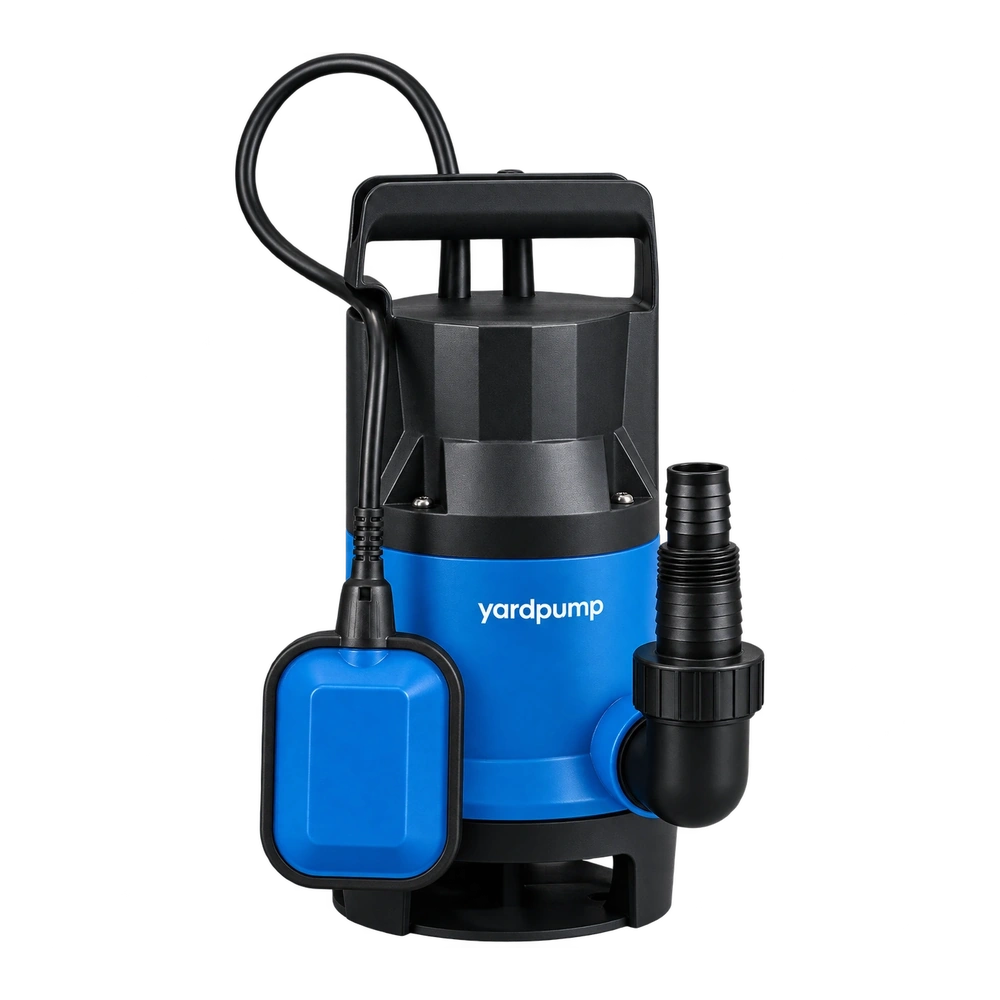
A customer shows a magnet sticking to a stainless pump screw and concludes that the material is wrong. In this typical identification dispute, explain the limitation first: magnetism is not a universal genuine-stainless test and cannot independently distinguish every grade. Stainless steels have different structures, and processing can change their response. Conformity must be assessed against the specified material, physical batch identity and an appropriate verification method.
Stainless does not mean universally non-magnetic
Ferritic, martensitic, duplex and austenitic stainless steels do not have identical magnetic behaviour. Attraction does not automatically establish that a part is not stainless, while little attraction does not prove a particular higher-alloy grade. Using a universal non-magnetic acceptance rule can wrongly reject suitable parts while accepting other materials that do not meet the actual purchasing specification.
Cold work can change the local structure and magnetic response of some austenitic stainless steels. Threads, sheared edges or strongly formed regions can therefore respond differently from another area of the same component. The extent depends on composition and processing. It should not be reduced to another absolute rule claiming that one familiar grade is always non-magnetic and another must always attract a magnet.
An assembled pump adds another ambiguity
A magnet applied to a complete assembly may respond to ferromagnetic parts inside it. Attraction through a thin outer shell cannot automatically be assigned to the shell material. Target, position, magnet strength and construction all influence the observation. Repeating the demonstration with a different magnet does not necessarily produce a comparable material test. First identify what the observation can physically relate to.
For a typical illustrative observation, a screw may attract more strongly around its thread than elsewhere. This can justify checking the cold-worked condition, but cannot prove conformity by itself. Conversely, strong attraction at one point on a complete pump needs identification of the component influencing the field. A short video is not a complete material verdict for the entire assembly or its wetted construction.
| Check | Useful information | Main limitation |
|---|---|---|
| Magnet observation | Response under the particular conditions | Cannot identify all grades independently |
| Material and batch records | Specified source and identity chain | Must correspond to the physical part |
| Appropriate composition testing | Elements distinguishable by that method | Not every method separates every material |
| Application-related validation | Behaviour under relevant conditions | Cannot be replaced by magnetism |
Grade and application suitability are separate questions
Even a confirmed grade does not establish every aspect of corrosion performance. Medium, temperature, surface condition, crevices and contact with other materials can matter. A magnet cannot prove seawater suitability, shaft hardness, wear resistance or an acceptable sealing counterface. Define the requirement first, then select evidence capable of answering it. More observations do not automatically make the conclusion more accurate.
For important components, maintain the connection from material or heat batch to finished part and choose a verification method capable of distinguishing the relevant difference. Some methods cannot reliably resolve certain low-level elements or similar grades. Establish those limits beforehand. An unidentified composition screenshot is not equivalent to a traceable result for the component currently being supplied. The document-to-part relationship remains essential.
Respond constructively to the customer's video
Acknowledge the observation, explain its scope and request the component identity, location and associated batch. The supplier or competent material specialist can then check the specified grade, processing state and any necessary testing. Retain the basis of the conclusion. Neither magnetic means counterfeit nor processing explains every attraction is a defensible automatic response. Both bypass facts that the observation alone cannot provide.
If the material differs from the approved requirement, follow the appropriate change or nonconformity process. If it conforms, explain the result through traceable evidence rather than dismissing the customer. This approach respects what was observed without turning a rough screening action into an unsupported accusation about the product's quality or origin.
Questions about magnet tests
Does lack of attraction prove a part is grade 316?
No. Grade confirmation requires a suitable method and traceability to the physical component.
Can a thread attract more strongly than another surface?
Some processing conditions can produce that difference, but the explanation alone does not release the part against its specification.
Can a magnet establish seawater compatibility?
No. Review complete wetted construction, seals, structure and approved conditions with relevant supporting evidence.