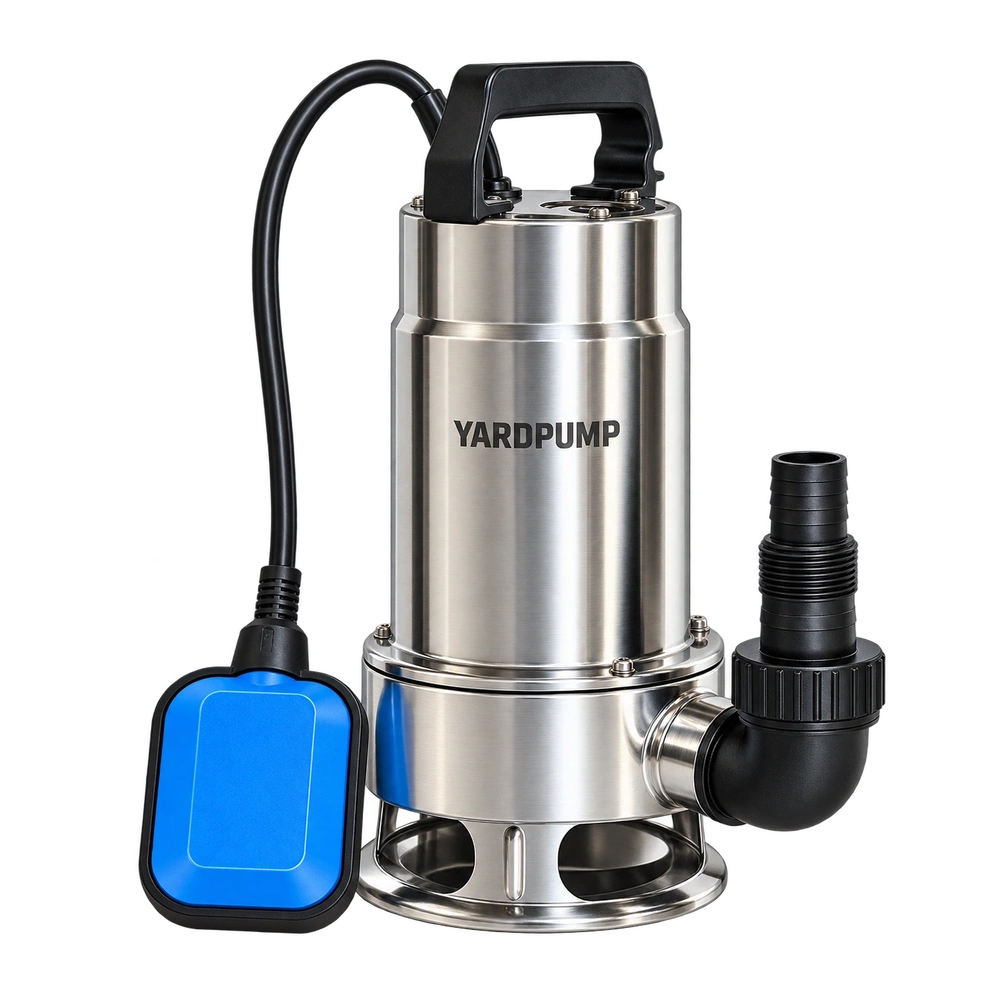
Suppose an importer receives a welded stainless component for a clean-water pump. There is a brown or blue band beside the weld. A component from the same lot later develops separate dark spots after use. Does either observation establish that the metal is not stainless? No. Record the original weld area, possible contamination and any change during service separately. A band following the weld that was present at receipt is a reason to ask about fabrication. A growing pit, leak or loss of section in service calls for further inspection regardless of the original color.
Record the location and the earliest observation
Heat and exposure during welding can form a colored surface oxide. This oxide and the material immediately beneath it can have different corrosion behavior from nearby unaffected stainless. Color can suggest heat history or location, but it does not identify the alloy, measure metal loss or establish how the product will behave in a liquid. Iron contamination, wet packaging and water chemistry can also leave marks. At receipt, photograph the weld, surrounding surface, locations behind fittings and an unaffected area in comparable light. If no early state is documented, record that uncertainty rather than assigning it a fabrication history.
Review what was actually approved. The purchase may define the material grade, a welded condition, a finish or a specific wet service. A material certificate or identification test can address the alloy. Neither automatically checks the weld surface after fabrication. The inlet, housing, shaft and fittings can use different materials even within one configuration. A verified stainless housing does not authorize a seawater claim for the entire pump. The checks in this article apply to components that actually have a weld; do not assume every stainless or plastic model is built this way.
Preserve the suspect surface before changing it
If there is damage, a leak, measurable wall loss or an electrical concern, take the unit out of service from a safe dry location. Have qualified personnel follow the equipment procedure for isolation and pressure release. Do not polish away the evidence or apply an unspecified acid treatment in the field. A superficial change that removes visible color is not proof that the required surface condition has been restored. If a treatment or test is part of the approved configuration, request the applicable component record, lot and verification procedure.
As an illustration, one part might show a continuous narrow band on both sides of the weld at unpacking, with no visible pits. A second part might have clear receipt photographs, then show clustered pits under a gasket after use. For the first, investigate fabrication and post-weld treatment. For the second, look at the liquid and crevice conditions. Both mechanisms can coexist. The examples do not establish a visual acceptance limit. Retain examples from both states where possible, noting whether the part was wetted and which surfaces were exposed. Ask for an examination appropriate to the actual part instead of agreeing on an alloy by color.
Give receiving and service a common reference
Set contractual finish and performance requirements according to the intended liquid and documented fabrication. Retain images of the approved surface and the received condition. If the actual liquid falls outside the verified use, record that separately from a possible manufacturing issue. A useful investigation relates evidence to the exact component and interface. It prevents a certificate that answered a different question from being used to clear a stained weld.
Frequently asked questions
Does a blue weld band prove the wrong stainless grade was shipped?
No. Weld color can reflect heat and exposure. Check material and surface condition separately.
Can a part be approved for seawater once the band has been scrubbed off?
No. Verify the approved treatment, complete assembly and liquid limits independently.
Is a certificate for the flat sheet enough for the weld?
It may confirm the sheet's identity. If weld condition matters, verify the fabrication and finish of the delivered component.