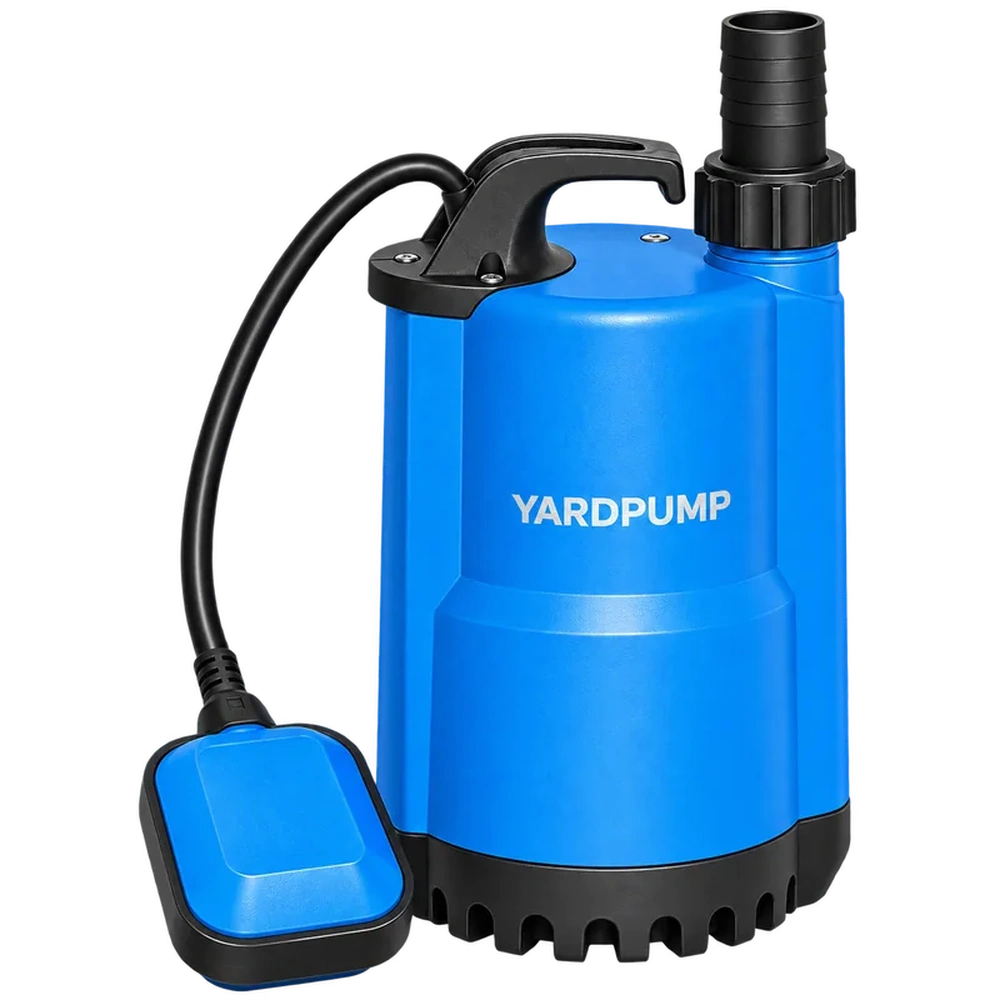
A pump test bench works with one water supply but its electromagnetic flowmeter becomes unstable after the tank is filled with rainwater. Is the pump now delivering erratically? Check the meter's liquid-conductivity requirements before drawing that conclusion. Electromagnetic measurement needs sufficient conductivity for the specific instrument, as well as a suitable full-pipe installation.
The meter needs an electrical signal from the liquid
An electromagnetic meter uses a conductive liquid moving through a magnetic field to produce a measurable signal. At inadequate conductivity, the signal can become difficult to distinguish from noise. The minimum depends on meter design, size and application. Do not copy a common catalogue threshold as a universal rule for every instrument.
Rainwater, stored water and mains water do not have one fixed conductivity. Dissolved substances, collection conditions and contamination change it. Clear appearance does not identify conductivity, and water described as “clean” can still be unsuitable for the selected measurement method. Measure the actual sample with appropriate equipment.
Keep conductivity separate from other faults
Air, partial filling, electrode condition, grounding or installation errors can also affect results. Record meter alarms and diagnostics rather than treating an unstable display as a unique signature of low conductivity. A pipe that is full is necessary for many installations but does not correct an unsuitable liquid signal.
For illustration, suppose two water supplies are used with the same pump, hose and working head. One produces stable meter readings and the other does not. The difference supports checking water properties and instrumentation. It does not prove the pump is stable, nor that conductivity is the only changed variable. Temperature and air content should also be recorded.
Cross-check actual delivery
Where the flow and installation allow it, use an appropriate timed-volume or gravimetric method as an independent check. Preserve the same hydraulic boundary during comparison. Collecting into a container must not change outlet backpressure or allow the container water to submerge the outlet and alter the operating point.
Use a calibrated scale or volume measure, an adequate collection time and the relevant liquid density where mass is converted to volume. Keep a safe route for the discharged water and qualified electrical testing practices. Agreement with an independent method helps separate true flow changes from a meter limitation; it is stronger evidence than smoothing the display until it looks stable.
Correct the method without silently changing the water
Do not add salt merely to make the meter read without design approval. That changes the test liquid and may affect material compatibility, subsequent tests or disposal. If conditioning the water is part of an approved method, define the composition, conductivity and control requirements explicitly.
Otherwise choose a meter or independent method suited to the actual liquid and required flow range. Check the manufacturer's configuration, electrode and installation guidance. Retain raw readings, diagnostics, conductivity and the selected acceptance method with the sample identity. A revised display filter is not a correction for a fundamentally unsuitable signal.
For YARDPUMP sample or incoming performance verification, the test method must measure the actual duty reliably. This discussion does not assign a minimum conductivity to its pumps or claim that rainwater always causes measurement trouble. The decision concerns the flowmeter and test setup, not a new liquid restriction inferred for the pump itself.
Do not erase the unstable data when a new measurement method is adopted. Retain the original result with the reason it was judged unsuitable, then link the replacement result and conditions. This prevents an importer from comparing a valid later result with an earlier unqualified number as if both were equal performance tests. It also separates instrument correction from a supposed improvement in the pump itself.
| Check | Why it matters |
|---|---|
| Actual liquid conductivity | Confirms the meter can obtain its required signal |
| Full pipe and air condition | Confirms the hydraulic measurement state |
| Independent delivery measurement | Cross-checks whether flow itself is changing |
Frequently asked questions
Is clear water always suitable for a magnetic meter?
No. Optical clarity does not establish conductivity.
Can I use a single minimum from another meter's brochure?
No. Confirm the exact instrument's requirements and operating range.
Does a fluctuating reading prove the pump is faulty?
No. Use diagnostics and an appropriate independent flow check before assigning the variation to the pump.