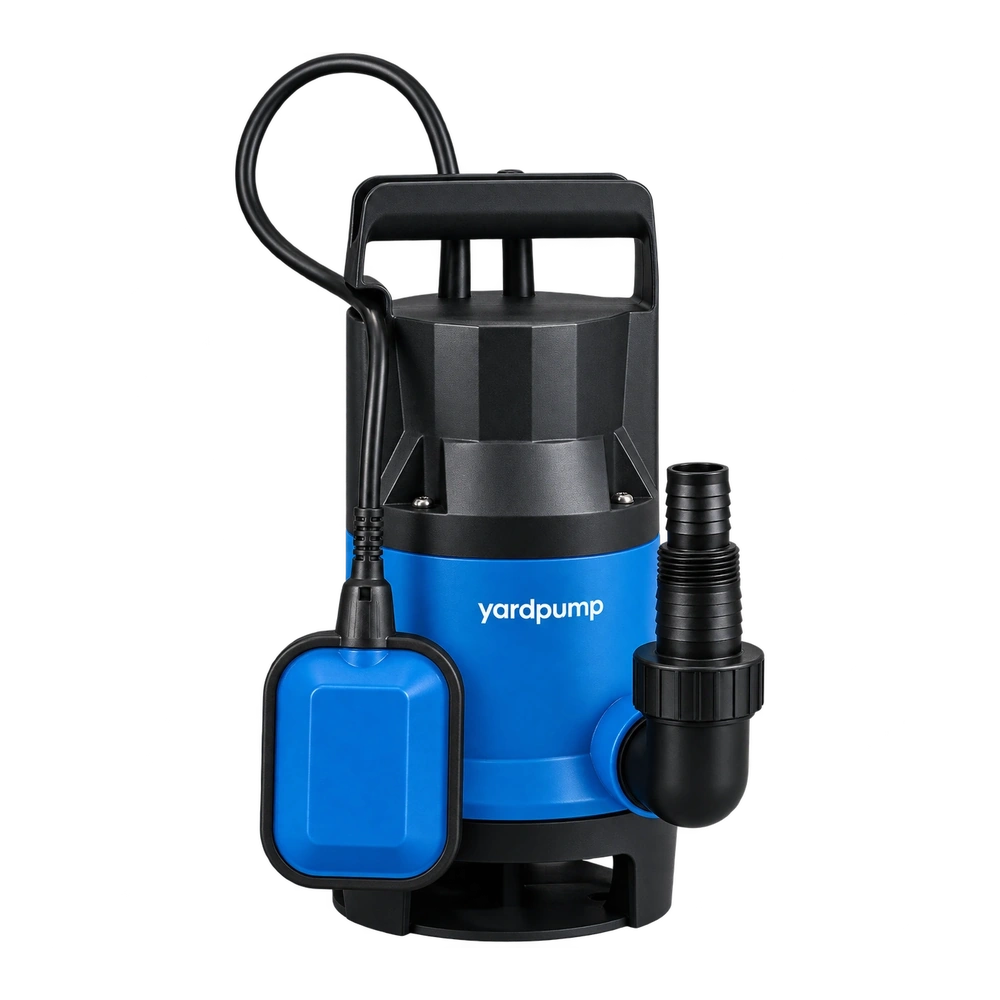
A buyer catches 12 kilograms of discharge in 30 seconds and enters 24 litres per minute. Will the same shortcut work for water at a different temperature or a solution on another pump approved to handle it? The scale measures mass. A volume rate also needs the liquid density at the relevant condition. About one kilogram per litre is a useful approximation for room temperature fresh water. State the basis if the liquid is different, the acceptance tolerance is tight or two samples are close enough for the approximation to change the decision.
Convert the net collection mass
Subtract the mass of the empty container or any liquid already in it. Use the net mass collected during the timed interval. Divide that mass by density to get volume, then divide by collection time. With kilograms, kilograms per litre and seconds, divide net mass by density, multiply by 60 and divide by the recorded seconds for litres per minute. Keep kilograms per minute and litres per minute in separate fields; one does not become the other just because the test is called a water test.
In an example, the bucket collects a net 12.0 kg in 30 seconds. At 1.00 kg per litre, that gives 24.0 litres per minute. At a density of 1.05 kg per litre, the volume is about 11.43 litres and the rate is about 22.86 litres per minute. The example illustrates how density affects the result. It does not approve an ordinary pump for brine, chemicals or any other liquid. Even fresh water density varies with temperature. How much that matters depends on the acceptance tolerance and purpose of the test. If a liquid has a different viscosity, converting units cannot make the pump perform as it would on fresh water.
Control what reaches the container
Wait for steady delivery before collecting. If the collection is too short to measure reliably, use a longer interval or an appropriate rig. Record tare, scale resolution, density basis, liquid temperature, timing method and the pipe arrangement. Keep the inlet level and discharge elevation consistent. Lifting or flattening the hose to change buckets, or letting the end become submerged, can change the discharge condition. Support the container independently so the hose or fixture does not load the scale. Record loss from splashing, overflow or any stream that bypasses collection.
Foamy flow makes the definition of volume especially useful. The scale gives the mass collected. A container's total volume including foam is a different measurement. When the target is liquid volume rate, use the liquid density and note whether entrained air makes the duty unstable. A longer sample averages fluctuations. Repeat the run and keep the individual values where the flow varies; an average alone can hide intermittent starts or air intake.
Decide how to use the result for acceptance
Agree on the duty point, liquid and temperature, method and tolerance before checking samples. Before comparing two production lots, check that the actual head, water level and accessories match, and that scale and timing uncertainty are small enough to resolve the difference. Repeat the comparison when those conditions do not match. The higher flow recorded at lower head cannot by itself prove the other pump has a smaller impeller.
Keep the original mass, time and density alongside the calculated flow, duty and repeats. If the parties disagree about density later, those entries allow the calculation to be checked without inventing data. A field bucket check is useful for screening an installation. Use an agreed, verified rig and method when deciding a contract limit or a small performance difference.
Frequently asked questions
Can one kilogram per litre be used for a fresh water check?
For ordinary estimates, yes. When tolerances are small, record the temperature and use an appropriate density.
Can I correct the test with the bucket's nominal capacity?
No. Use the actual tare and keep loads from the hose and losses from overflow out of the weighing setup.
Does converting a solution to litres per minute make it comparable with a water curve?
No. The conversion only relates mass to volume. The liquid's effect on hydraulic duty requires separate evidence.