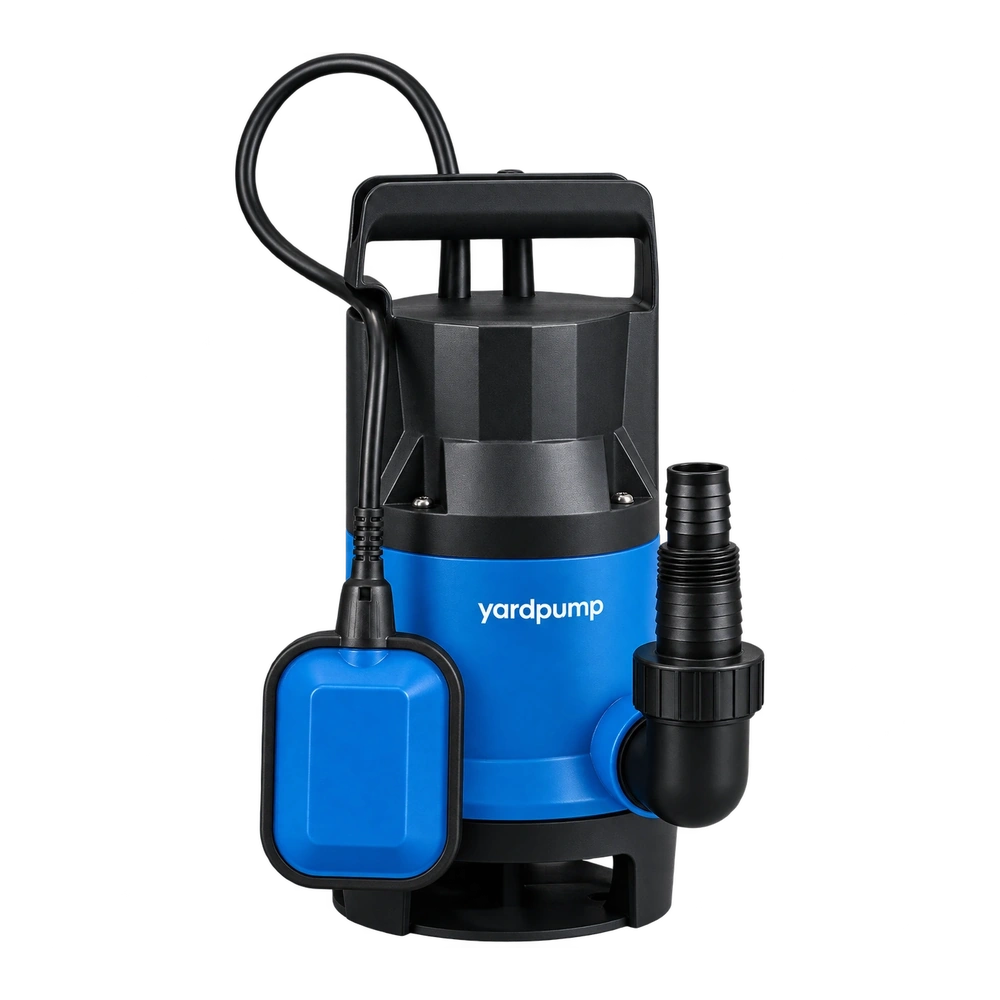
A factory uses a weighing tank to check the flow of a small clean-water submersible pump. At a stable duty, the in-line meter gives one result. The weight collected in the tank converts to a much lower delivery. Before replacing the meter or changing the pump curve, trace every route into and out of the tank. It records accumulation: water coming in minus water leaving. A drain, overflow, sample line or hidden return can turn the check into a measurement of net collection rather than pump delivery.
Draw a boundary around what the scale actually carries
During the weighing interval, the intended test stream should enter the collection boundary. Unless the method measures and corrects it, no water should leave. A single hose visible above the tank does not prove the boundary is closed. Follow the bottom drain, recovery line, overflow, splash tray, sample line and any bypass. Water caught by a tray resting on the scale might still count. A hose bearing against a fixed support may also transmit force to the scale. Establish which water and loads the scale sees before trying to resolve calibration, resolution or temperature errors.
For illustration, suppose the tank gains 13.5 kilograms in 30 seconds. Using a near-ambient freshwater approximation, that is about 27 litres per minute. If a connected drain lost another 3 kilograms during the same interval, total water into the tank was 16.5 kilograms, or about 33 litres per minute. The six-litre-per-minute difference is not explained simply by treating kilograms as litres. For precise conversion, use liquid density at the test conditions. A different liquid, suspended solids or entrained air can invalidate a rough conversion. This example does not make unmeasured discharge acceptable.
Verify the collection setup without changing the duty
Use the approved procedure to check that the vessel can collect the entire run without the rising surface submerging the discharge. Check how the start and stop of collection are timed and how return flow is isolated from weighing. A safe retention test with a known volume and the pump off may reveal a leak at the bottom of the vessel. A return valve or overflow that only runs near the top may show up only during the wet trial. Note the initial weight, confirm the tank is not touching a separate frame, and check that the hoses do not pull on the scale. Do not disable a protective overflow to make the test read higher. Have the rig corrected and keep the collection within its safe capacity.
During the repeat, record the actual head, water temperature, source level and in-line measurement over the same interval as the mass gain. Make sure both methods are measuring the same stream. If a branch downstream of the meter sends some flow back to the supply tank before the collection point, the two methods will disagree even if the weighing tank is sound. This work belongs in a controlled wet test facility with qualified operators, not with someone making adjustments in a live wet area.
Report which water was measured
Put the collection layout, interval and any measured return flow on the record. If correcting the boundary removes the discrepancy, fix the setup and review the relevant records. If it remains, check timing, density, meter range, calibration and duty. The result a buyer can use is installed delivery at an identified head, supported by a test in which both measurements followed the same water.
Check the mass trace at the start and the end of the actual timing window. A drain that opens only once or a sample drawn late in the run can still lower the result even if the average meter reading looks steady.
Frequently asked questions
Why does the same tank only disagree on some runs?
An overflow may work only at higher levels, or the position of a drain valve may have changed. Compare the level histories and valve states, not just the tank identifier.
Can I correct for a visible drain with an estimated rate?
Only an approved measurement of the actual amount leaving in the same time could support a correction. An estimate cannot replace the captured mass balance.
Will a more precise in-line meter solve the problem?
Not if the two methods see different streams. Verify the collection boundary first and then compare instruments appropriate to the duty.