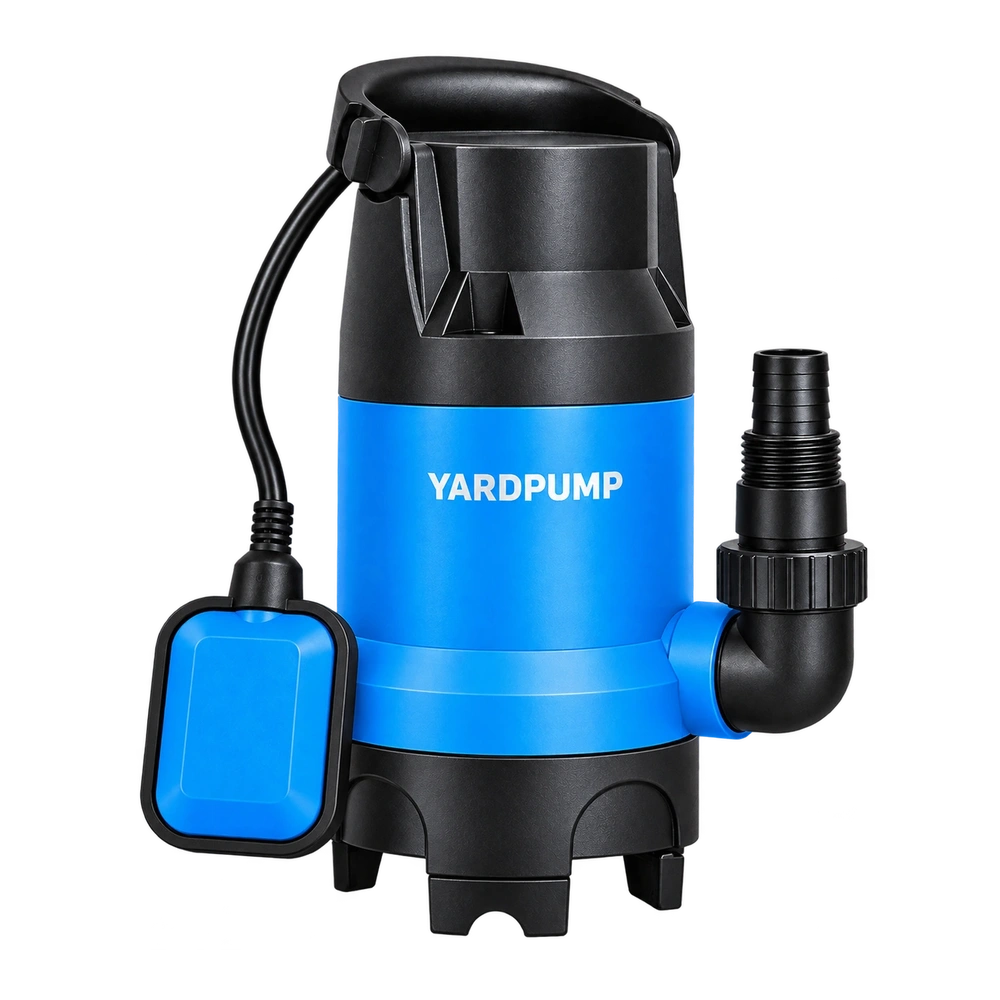
Imagine a replacement sewage pump has been installed in a collection system. The new unit has a stated solids passage, yet the connection to the old discharge line still plugs. The technician finds that the impeller can turn and the pump outlet is clear. The restriction may be farther along. A particle that gets through the wet end can still stop at a reducer, a valve or a hose fitting. Check the installed path separately from the pump’s own passage before deciding where to repair.
Follow the opening, not the number on the fitting
A matching outlet thread can lead to a hose tail with a smaller bore. A reducing fitting can contain a shoulder, and the nominal size of a check valve describes its connection rather than the clearance around its moving parts. How far the valve opens at the actual flow affects the space available for solids. A hinge or ledge can snag a long object. One lodged piece can then collect other material and gradually cut delivery. If debris shifts between cycles, flow may return briefly. The recovery does not show that the original cause has cleared.
As an example, suppose the pump itself passes a rigid 20 mm test sphere under agreed conditions. A downstream fitting has a minimum free dimension of 17 mm even though its label appears to match the pump connection. The sphere can leave the pump but cannot pass that opening. This geometry does not establish that every object smaller than 17 mm will go through. Fibres can snag, flakes can turn, and several particles can bridge together. Use the numbers to understand the restriction, not as a rating for any model. Do not add objects to a live wastewater system to reproduce the symptom.
Locate the restriction before opening the line
From a dry, safe location, note whether the pump appears to start normally, whether discharge begins, whether it stops abruptly or fades, and how the pit level responds. Identify any changed fittings. Where suitable service instruments exist, qualified staff can compare pressure and flow between sections and confirm valve operation. Sound, vibration or current alone cannot locate the obstruction. A blocked inlet, airlock, excessive head or a valve that fails to open can produce a similar complaint.
A wastewater line can hold pressure and present exposure hazards. Have the responsible personnel isolate power to automatic equipment, control retained pressure and follow the site’s sanitation and safety procedures before opening anything. Do not loosen a joint under pressure or enter a pit without the required entry arrangements. Inspect the first serviceable narrowing and valve before going farther along the line. Record where foreign material was found and how it sat. A wad of fibres can fall out during removal; the order of observations matters when deciding where it first lodged.
Check the transport duty after changing a component
Ask the fitting supplier for bore geometry and available passage in operation. Ask the pump supplier about the permitted liquid, discharge piping and expected flow. Match the components to the actual material and the system, rather than buying by thread fit alone. Do not simply enlarge the entire line. At the same flow a larger pipe gives lower velocity and can allow some solids to settle. Check the required flow and pipe size for the medium and the whole route, then have qualified staff verify the repaired installation under an approved procedure.
Sharp foreign objects, long fibres or unidentified waste may need source controls, screening or equipment designed for that duty. Once delivery is stable, keep the blockage location, measured opening and replacement part in the service record. It gives the purchaser something to verify on the complete water path when buying another unit.
Frequently asked questions
Can a valve with the same nominal size as the pump outlet still be too restrictive?
Yes. Verify the internal geometry and smallest opening under the relevant operating conditions. The connection size alone does not establish passage.
Should I remove the check valve to get rid of the obstruction?
Do not remove it as a shortcut. Have the system owner review backflow control, maintenance and installation needs and select a suitable valve where required.
Can a clean-water test close out the service case?
It can confirm basic delivery and help identify remaining restriction. It does not establish that the intended solids or fibres will pass; verify the clear path and media limits as well.