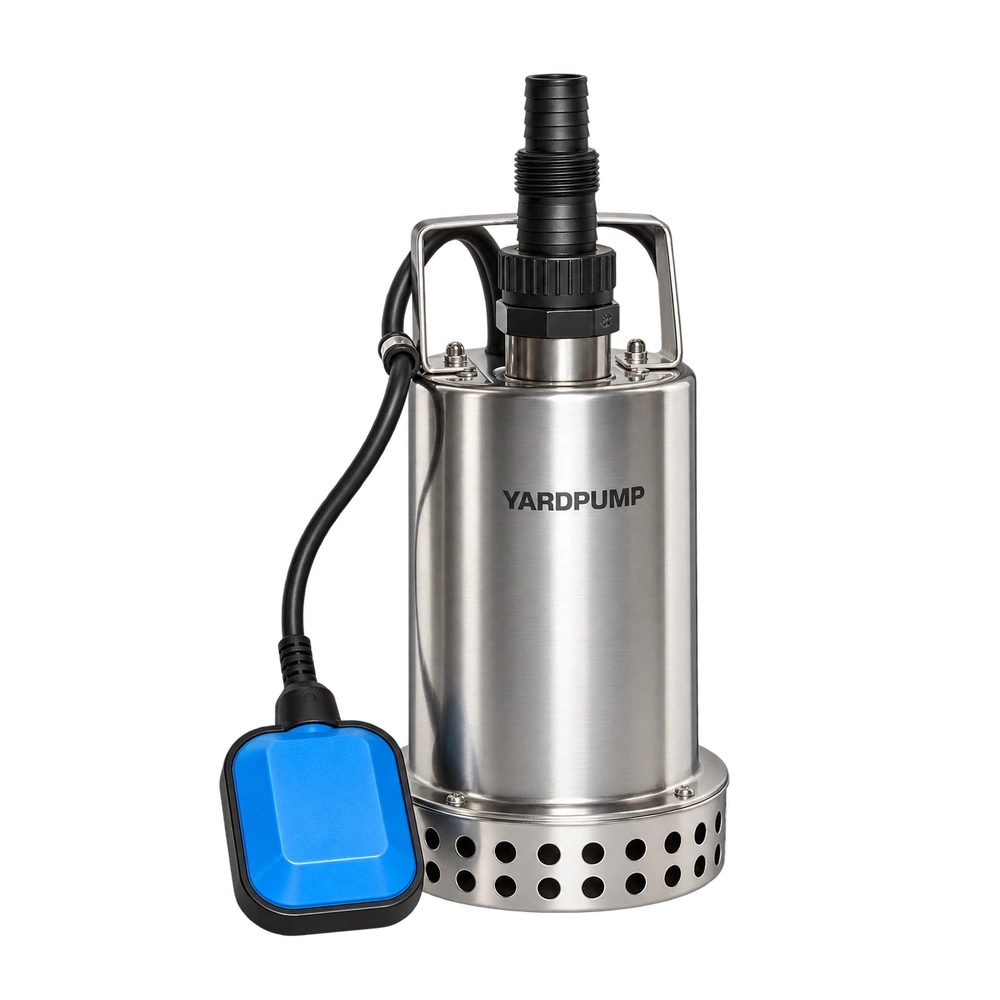
Suppose a clean-and-dirty-water submersible pump has a static O-ring replaced and the installer uses a grease already on the bench. It passes the initial test but starts seeping after several cycles. The lubricant is worth investigating. Preserve the actual grease, old and new seals and installation record before assigning the cause. Suitable assembly lubrication can reduce friction during insertion. An incompatible lubricant or cleaning residue can change the rubber, and excessive material can interfere with seating. A pinched ring, damaged groove or poor fit can produce a similar complaint.
Check three kinds of contact
Identify the exact seal compound and revision, not just a family name such as nitrile, EPDM or fluoroelastomer. Formulations within a family can behave differently. Next identify the lubricant by grade, intended use and confirmed compatibility conditions. Labels such as silicone grease, clear grease or waterproof grease are too broad for an acceptance decision. Finally, list the actual water, oil chamber fluid, cleaning products, temperature and contact time. Suitability for one compound does not establish suitability for a different combination of seal and liquid. A grease already used on a bearing is not automatically suitable for the O-ring groove.
Ask the supplier whether lubrication is required, optional or prohibited, where it goes, how to control the amount and whether it remains in the joint. Use the manufacturer-approved combination and record the lubricant and seal lots. For unusual water or contamination-sensitive service, check whether the selected lubricant is permitted at the wetted interface. Matching temperature markings, colours or odours are not enough. If you cannot establish the match, pause the change and retain the approved process.
Let the damage guide the next check
Have authorized service isolate the pump and release pressure as required before opening it. Preserve the seal orientation and visible traces of lubricant. A cut in line with the insertion path points first toward the chamfer, burrs, alignment or tool. Softening, distortion or a size change on the side exposed to lubricant prompts a closer look at the exact compound and lubricant. Separate possible contact with water, oil, cleaning products and grease. A ring that looks swollen after removal does not identify the liquid responsible and does not show that the ring can be put back into service.
In an illustrative factory comparison, expose matched new rings from one lot to the approved lubricant and to the proposed substitute, under comparable temperature and agreed time conditions. Keep an unexposed group to check initial variation. Compare mass, size or properties selected by a materials laboratory. If only the candidate group changes appreciably, investigate that combination first. If both treated groups and the control change, review the samples, method and liquids. A materials comparison does not replace assembly in the intended groove and an applicable sealing test.
Leave a repair record another batch can follow
When changing grease, O-ring or cleaning process, change one factor at a time and keep the approved combination and a sound control part. Record liquid, temperature, assembly method, inspection time and where leakage starts. If a returned ring has been exposed to unknown liquid for a long period, cleaning it and judging it by feel is not a release method. If a household user sees leakage or suspects ingress, stop using the pump and contact service rather than opening it, packing the groove with grease or retesting it submerged.
For the factory and dealer, the record should identify the approved ring, lubricant, amount and inspection conditions. A first wet test that passes shows that no leak was found at that moment. Where a material or service process has changed, verify the combination under the agreed temperature, duration and sealing conditions before release.
Frequently asked questions
Can I use the same grease on O-rings of the same size?
Size alone does not establish compatibility. Check the exact compound, lubricant formulation, liquid and temperature.
Can a thicker layer of grease seal a scratch in the groove?
Do not use grease as a repair filler. Inspect the scratch and fit, then use the approved assembly amount and verify the joint.
Can a used O-ring go back in if it regains its shape after drying?
Shape recovery does not establish sealing performance. Follow the approved service and inspection requirements for reuse.