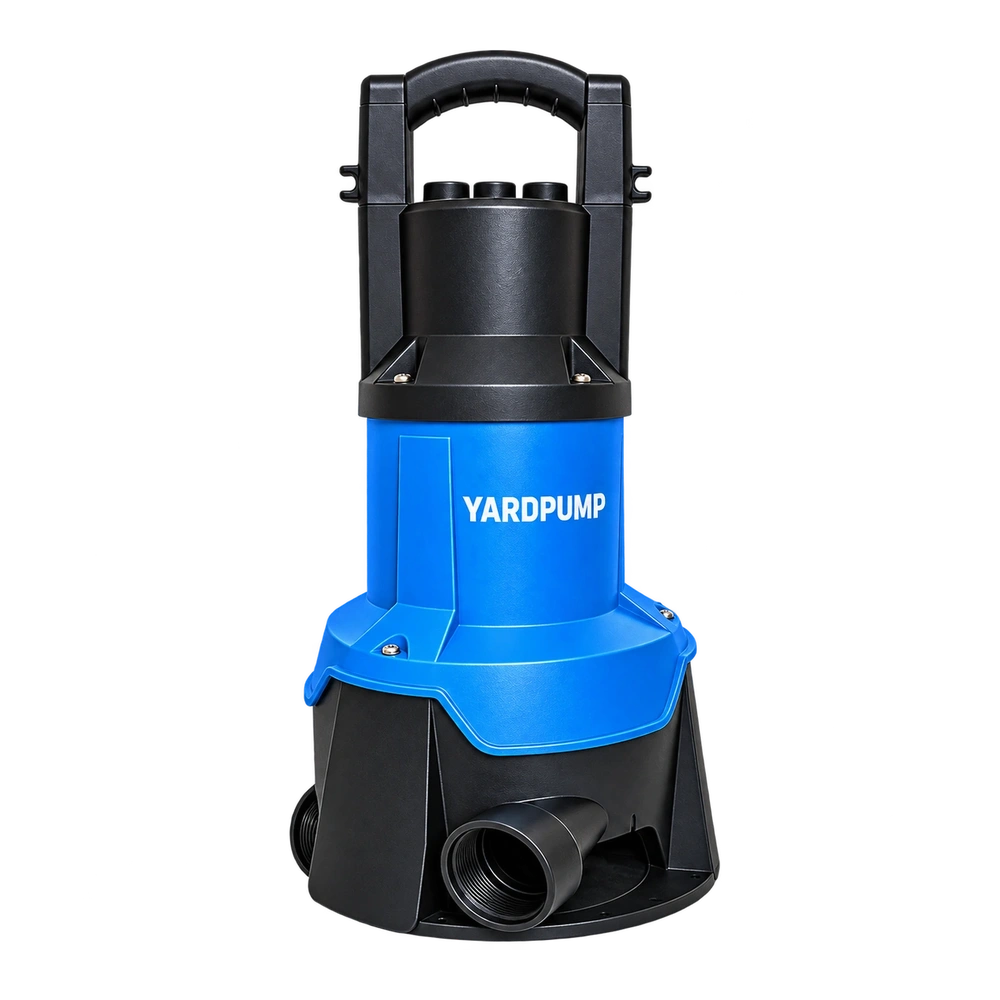
Picture a sump pump drawing down a pit. The motor continues running while a series of taps comes from the check-valve area. The repeated noise ends when the pump stops. Start with the timing. Rapid movement during delivery can indicate a valve that is unstable at the available flow. A single blow at shutdown is a separate symptom which may involve valve closure. Pipe vibration can travel to the same area, so timing is a starting point, not a diagnosis.
A valve can crack open without staying steady
Flow pushes the moving element, while gravity and any spring act on it according to the valve design and mounting position. A pump that just opens a valve may not move it far enough to hold a stable position. In some flow ranges the element moves around a partially open position and can tap or vibrate. Increasing nominal valve size does not guarantee a cure. Passing the same flow through a larger passage can reduce velocity, and a larger element can have a different opening requirement. Cracking pressure, the stable operating flow range and the pressure rating answer different questions.
A restricted discharge path or a pump delivering low flow can put the valve in a difficult range. Other causes include air drawn into the pump, debris in the valve, pipe motion at startup and vibration transmitted by a support. Do not infer the position of an unseen disc from the rate of tapping. Check whether the motor continues to run, whether the pit draws down, and what changes in delivery when the noise starts.
Separate startup, drawdown and shutdown
Observe safely from a dry position without disturbing powered equipment or removing guards. A recording can put the motor start, discharge, impacts and stop on one timeline. Noise only as water first arrives may involve trapped air or initial movement. If it occurs only at the bottom of the drawdown, check whether the intake is losing cover or the flow is changing there. When there is enough inlet cover and repeated noise affects a low-flow part of a continuous run, check the valve's stated operating conditions. Log any single impact at shutdown separately. Both symptoms can occur on the same installation.
Once the equipment has been stopped, isolated and depressurised by qualified personnel, check the valve model, arrow, bore and permitted orientation. A correct arrow does not establish that vertical installation is allowed. Do not close the discharge or touch the valve in operation to try to provoke a rattle. Before any valve substitution, confirm the new flow range, reverse-flow protection and how drainage will be maintained. A critical sump needs an arranged, supervised test where an interruption can be managed.
Compare the flow range with the approved valve data
As an illustration, a workshop holds the water level and hose geometry steady and observes repeated tapping at one low-flow condition. At a higher permitted operating point there is sustained delivery without tapping. If the changes are recorded, that makes unstable partial opening worth checking. It gives no universal minimum flow for a valve size. Conversely, if supporting a loose pipe eliminates the noise without changing the valve or discharge, investigate how the vibration travelled before condemning the valve.
For an order, ask for the valve's usable flow range, mounting position, fitting arrangement and method of service. Compare it with the intended working points. A clip timed to the run, a measured condition near the lowest flow, and photographs of the model and supports give a service desk more to work with than a report that the check valve is noisy. Stripping out a check valve may introduce return flow and alter pump cycling; it is not a default remedy for noise.
Frequently asked questions
Does a quiet valve label guarantee silent running?
No. A quiet design may address closure or impacts. Actual running noise depends on flow, position and the surrounding pipework.
Can I change a vertical installation to a horizontal one?
Only where the specific valve permits it. Orientation changes the effect of the moving parts' weight and may change how steadily they operate.
Should I separate a single bang and a series of taps in the service record?
Yes. Record each against the motor and flow timeline. That helps distinguish closing impact from vibration during delivery.