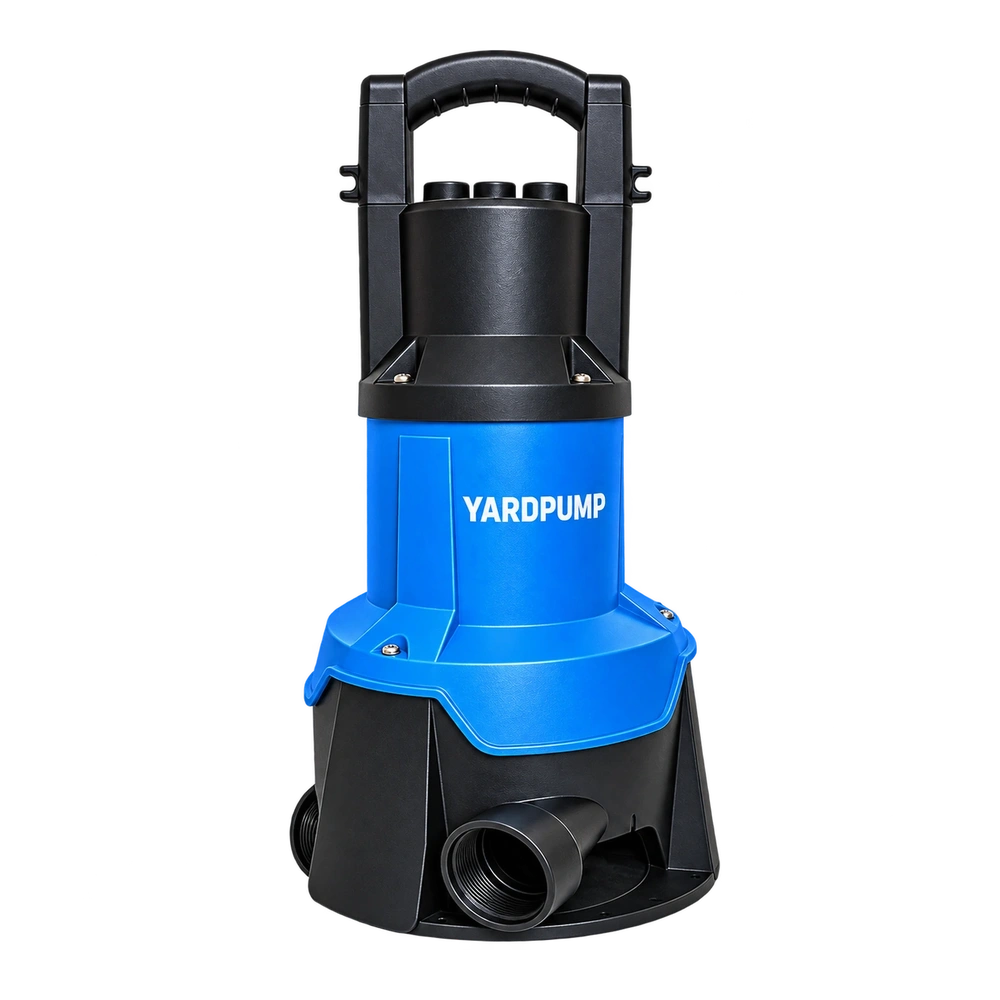
Imagine a basement sump pump runs normally on its own. Another appliance starts and the circuit protection opens. First identify which protection operated and record the timing of both loads. If it was residual current protection, the imbalance from several loads and the wiring can combine within one protected circuit. Switching can also create a brief disturbance. If overcurrent protection operated, the investigation goes toward load current, starting and circuit capacity. The last appliance to start is not automatically the faulty one, and the wiring is not automatically clear.
Identify the device that opened the circuit
A residual current device monitors the balance of currents going out and returning through the conductors it measures. Current returning outside that group can register as an imbalance. Ordinary overcurrent protection responds to overload and short circuit. Some devices combine both functions. An amp marking, test button or panel label is not enough to establish the cause of this operation. Have a qualified electrician check the device model, indicators and circuit arrangement, using its instructions as needed. Sockets in different rooms can still share upstream protection.
Suppose the sump pump and a dehumidifier each run alone without tripping, but occasionally trip when both are under the same protection. That pattern is consistent with combined residual currents. It can also arise from brief leakage during one device's switching, moisture, a wiring issue or operation of another protective function. Do not simply add two isolated readings and declare the cause. Phase, waveform, frequency and timing can affect the combined current. This example does not establish that either appliance is sound or that a less sensitive device is appropriate.
Preserve the observations instead of forcing another trip
From a dry, safe location, note both models, where they were originally connected and which protective device operated. Record whether one appliance was already running, the two started nearly together or protection operated later during steady running. Add water level, recent rain, nearby moisture and any unusual heat or odour. Do not move appliances among sockets to provoke the event or use the test button as a fault diagnostic. If connections are wet or damaged, trips recur or an electric shock is suspected, stop use and have the equipment safely isolated. Do not repeatedly reset protection, bypass it, disconnect protective earth or move the pump to an unprotected outlet.
Once the installation is safe to examine, a qualified electrician can determine the protection boundary from the wiring and equipment requirements. Where appropriate, record background, steady and switching residual current and compare against load current and start timing. Also review insulation, protective conductors, crossed or shared neutrals and moisture as applicable. The electrician selects the instrument for the signal and waveform and applies the appropriate criteria. The dealer can supply the pump model, duty and original connection details. A factory test for one pump does not rule out a problem on the installed circuit.
Confirm the cause and check a complete pumping cycle
If tripping depends on a particular combination, leave a timeline with the protection boundary, simultaneous loads and symptom so service can verify the repair through a complete pumping cycle. Follow the approved repair or replacement process for damaged cables or insulation. If wiring or protection configuration is involved, the electrician determines the appropriate correction. Increasing the trip threshold, bypassing protection or adding a longer extension lead is not a repair. Where drainage is essential, notify the responsible person so the facility's existing response plan can cover the period while the equipment is out of service.
Frequently asked questions
Does the other appliance have a leakage fault if it is the last to start?
Not necessarily. It can contribute to a combined residual current, cause a switching transient or coincide with an overcurrent event.
Do outlets in separate rooms always use different RCDs?
No. Check the upstream protection arrangement. Location does not identify the circuit.
Can I keep resetting it if the pump still runs by itself?
No. The operation needs investigation, especially where water or signs of an electrical fault are present. Preserve the information and call qualified service.