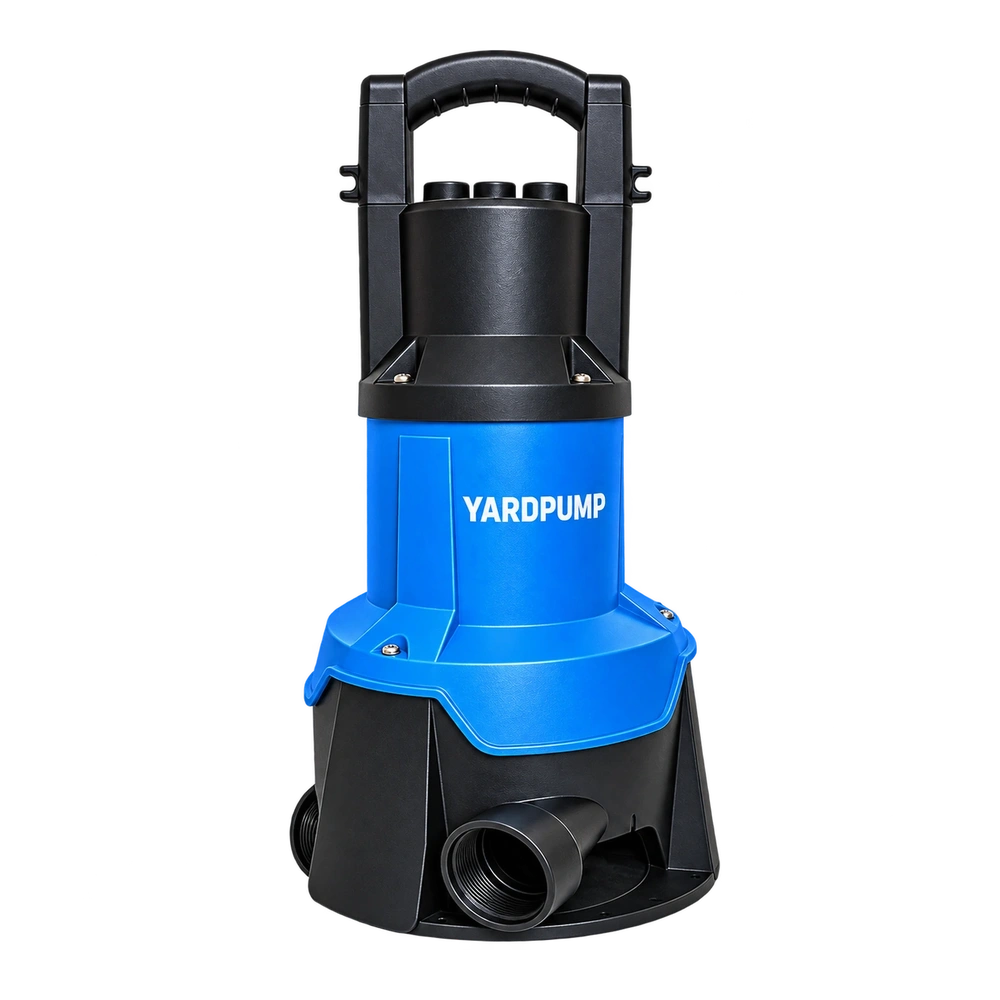
An importer wants to install a clean-water submersible pump in a household drinking-water tank. Because the water is clear and the housing is plastic, the buyer proposes a potable-water claim on the carton. That conclusion is not justified.
“Clean water” commonly describes liquid and particle conditions for pumping. Drinking-water contact suitability involves additional questions about wetted materials, potential effects on water and destination-market requirements. Appearance, waterproofing and ordinary electrical safety evidence do not automatically answer them.
Define the actual contact application
Transparent water is not necessarily safe to drink. Likewise, a pump that can move it does not establish that the water’s sanitary quality will remain suitable.
Describe whether drinking water passes through the pump, whether the equipment remains in a storage tank, and the intended contact temperature and duration. Those conditions matter to the scope of evidence.
The wetted assembly includes more than housing and impeller. Shafts, seals, elastomers, coatings, adhesives and accessories may need assessment, as may relevant interfaces involving lubricants. A document for one resin cannot automatically qualify the pump or complete tank system.
Read the scope of each document
For example, NSF/ANSI/CAN 61 addresses drinking-water-contact health effects within its scope. It does not automatically establish pumping performance, complete microbiological safety or compliance of every installation in every jurisdiction.
Whether a particular market accepts that evidence or requires something additional must be checked against current local requirements.
| Evidence | Scope to verify | Unsupported extension |
|---|---|---|
| Resin or component document | Exact grade and conditions | Approval of the complete pump |
| Finished-product listing | Manufacturer, model, version and restrictions | Every model in the family |
| Electrical or ingress evidence | Electrical safety or enclosure protection | Drinking-water hygiene suitability |
| Water sample result | Location, time, method and tested properties | Permanent safety of the whole installation |
Check the issuing organisation’s verifiable listing or record rather than relying only on a certificate image. A clear photograph does not establish that the current model, manufacturing location or configuration is covered. “The material is the same” also needs evidence.
Control changes to the wetted configuration
Link the qualified configuration to its bill of materials. A change to an elastomer compound, colour additive, coating, adhesive or accessory may need review even when dimensions and appearance remain unchanged.
Agree notification and approval requirements before production. Locking only the motor power does not control drinking-water contact materials.
Consider a hypothetical pump qualified with a particular wetted configuration. The hose connector is later substituted with a similar part from another supplier. This does not prove the new part is unsuitable, but it requires confirmation that the original scope still applies or that further assessment has been completed.
Lower cost or an initially satisfactory water sample is not a substitute for that review.
Make an evidence-based purchasing decision
Provide the destination, contact temperature and duration, water conditions, installation and intended claims to the supplier and competent compliance personnel.
If evidence supports only general clean-water drainage, purchase and describe the unit within that established use. Do not extend the description to potable, food-grade or universally harmless operation without the corresponding basis.
Where drinking-water transfer is essential, select the particular configuration with suitable evidence and assess the tank, hose and fittings too. Suitable pump components do not remove contamination, backflow or installation risks elsewhere.
Cleaning or disinfecting a system follows the requirements for that system. Rinsing an ordinary pump does not convert it into a qualified potable-water product.
Acceptance records should link listing scope, material version, instructions and packaging claims. Current legal and certification requirements need destination-specific confirmation. There is no single global approval list supplied by this article, and it makes no claim that all YARDPUMP models suit drinking water.
Frequently asked questions
Does a waterproof rating permit use in a drinking-water tank?
No. Ingress protection and drinking-water contact suitability address different matters.
Is an approved impeller material enough for a finished-pump claim?
Not necessarily. Other wetted components, finished-product scope and actual use conditions still need assessment.
Can a satisfactory household water sample replace product evidence?
No. A sample describes the tested properties at a particular place and time. It cannot establish continuing product suitability or certification coverage.