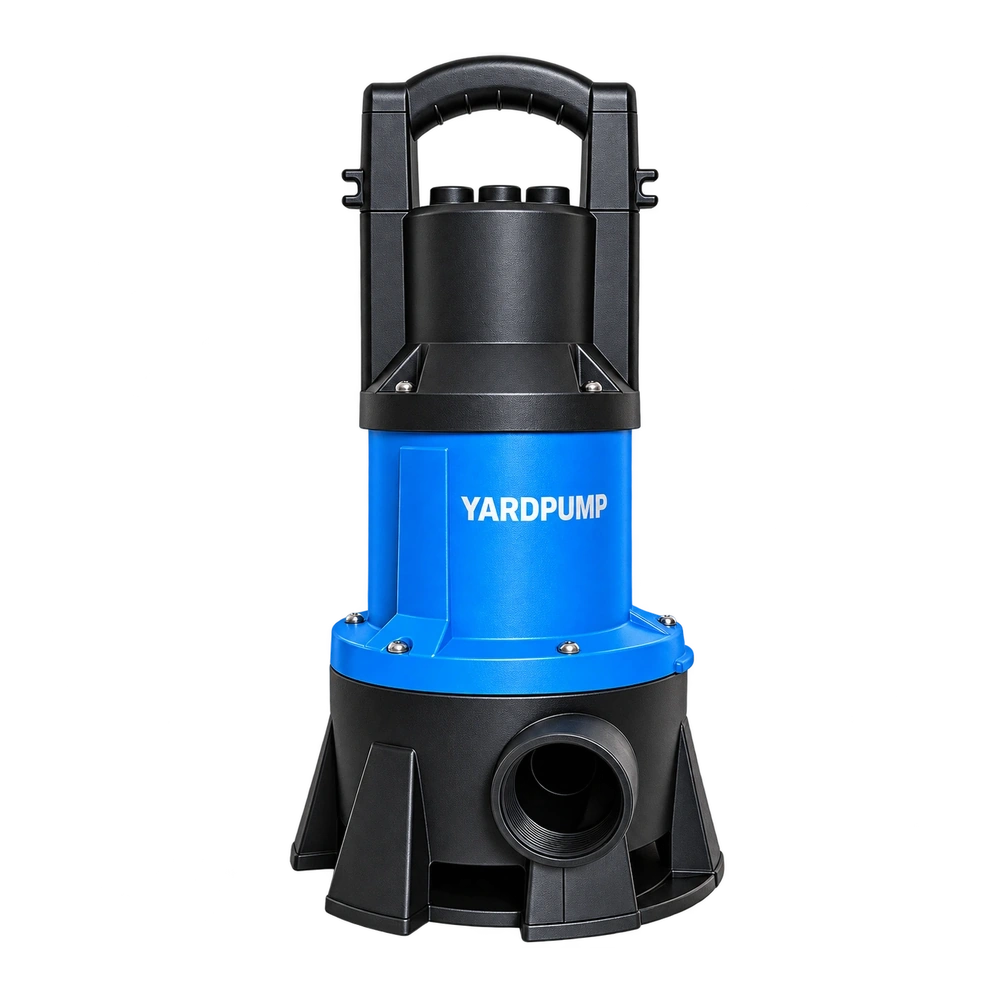
Suppose a shipment of low-level clear-water pumps moves from a cold truck into a warm warehouse. A few minutes after opening the first carton, beads appear on the housing and metal adapter. Record the product temperature and room conditions and pause powered checks. When a cold surface is below the dew point of the surrounding air, water can form on it after unpacking without any wetting in transit. But the possibility of condensation does not release the shipment. Transit wetting, test water left in the hydraulic path and moisture in an electrical area need separate checks.
When and where did the moisture appear?
Photograph the carton before opening, then the inner packing, bottom and wet areas. A torn box, staining from the bottom up or a line of dirt can point to an external water event. Fine beads appearing on a cold surface after opening, especially if other cold units in that room behave similarly, support a condensation explanation. They do not rule out an internal problem. Check the cable entry, plug and instructions for signs of moisture, and keep every observation tied to the unit serial.
Moisture on the outside of a clear bag differs from liquid already inside. Water pooled within the bag, mould marks or unusual dampness need their own record. A few drops coming only from the discharge path could be related to a factory wet test or incomplete draining; verify the actual lot's testing and packing. Do not apply that explanation to wet electrical connections without evidence.
A 20-degree room and a 5-degree pump
For illustration, air at about 20 °C and 60 percent relative humidity has a dew point near 12 °C. A pump surface arriving at 5 °C can collect condensation when exposed to that air. When the outside looks dry and feels warmer, a thick base, enclosed area or inner package may still be at a different condition. Follow the supplier's instructions for acclimation in a safe, dry place and verify the actual conditions before inspection. These temperatures illustrate the mechanism; they are not a universal waiting period or an electrical release criterion.
If the original packing is intact and the supplier allows it, let the shipment equilibrate before opening it to humid air. If a carton was soaked or shows other abnormal evidence, keep its receiving identity and hold status; do not erase the distinction by letting everything dry in one pile. Do not speed release by heating the pump aggressively, opening sealed parts or energizing it to see if it runs.
Keep four things together in the receiving record
Record when the unit was unpacked, the observed room and product conditions, location photos and the unit serial. After conditions are stable, suspected water in electrical or sealed areas still calls for isolation and qualified inspection under the approved procedure. Treat evidence of damage or contamination separately. Ask the supplier about factory wet testing, draining and packing for that batch where the evidence is ambiguous. State the scope of any release rather than generalizing from one dry-looking housing.
A warehouse temperature alone is not enough for a dew-point comparison. Record humidity and a representative product temperature too. A repeatable receiving record makes it possible to compare the next delivery on the same route and packing arrangement.
One pallet need not have one uniform temperature. Check representative locations as agreed and keep uninspected cartons identified. A room thermometer on the wall does not show that every unit has reached the permitted inspection condition.
Frequently asked questions
The droplets vanished overnight. Can I plug in the pump now?
Appearance alone is not a release condition. Follow the instructions and have suspected ingress assessed by qualified staff.
Do a few drops from the outlet prove water reached the motor?
No. The hydraulic path can retain water. Check the location, packing evidence and batch records.
How can receiving teams reduce condensation during unpacking?
Record the cold shipment and warm room conditions, follow supplier acclimation instructions and inspect in a suitable dry area.