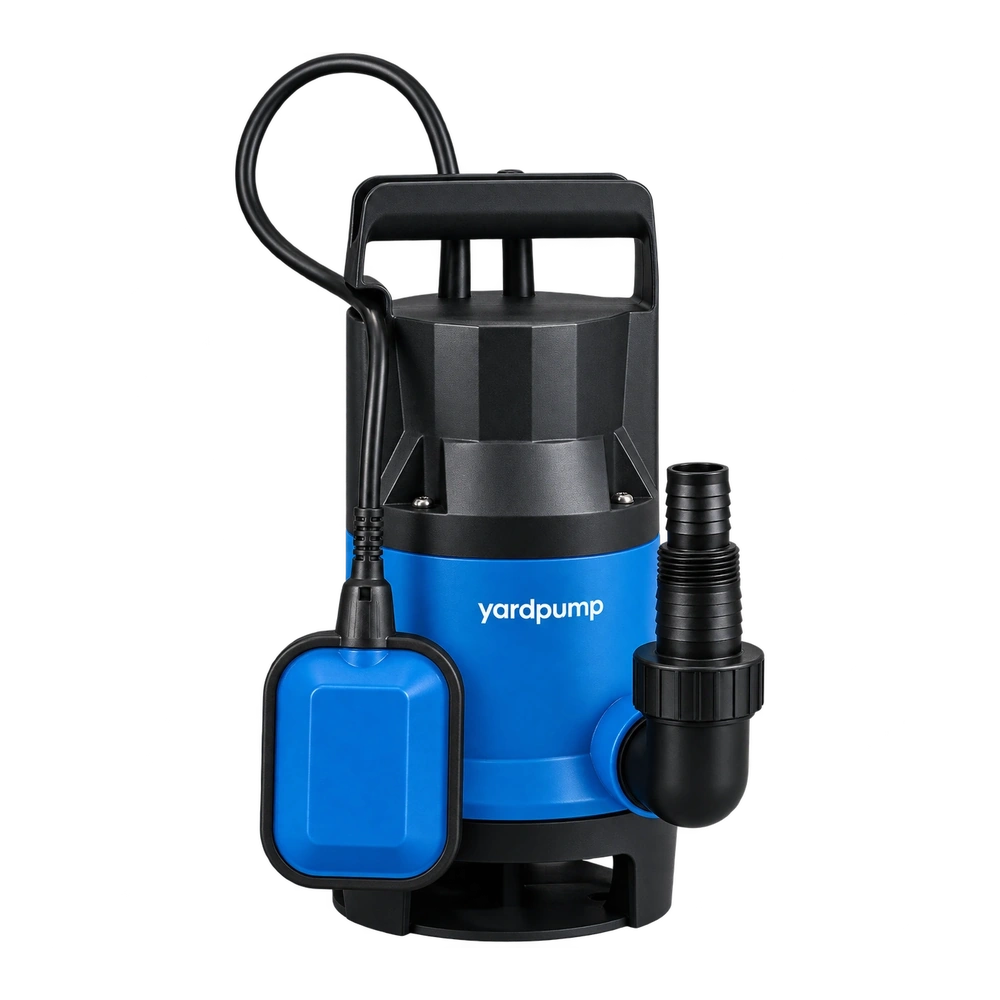
Consider a hypothetical assembly-transfer review. “The materials, drawings and parts are unchanged. Why validate a move to another assembly line?” This is a practical OEM question. An unchanged BOM is necessary, but fixtures, pressing methods, fastening tools, operators and test systems also influence the finished pump. Transfer validation should demonstrate that the new process can repeatedly produce conforming assemblies. It is not simply an exercise in giving the same components another location code.
Identical product documents do not mean identical processes
A different locating datum or force path during seal pressing can change the installed condition. Fastening equipment, bits and sequence can affect joint stability. Some differences may remain hidden during initial operation and become apparent only after temperature changes, cycling or immersion.
These are mechanisms to assess, not a prediction that every line transfer makes quality worse. The new line may be more stable. That conclusion nevertheless requires evidence from its actual output. Newer-looking equipment does not remove the need to understand how the important operations are performed.
Define the transfer boundary first
Identify locations, operations, equipment, fixtures, people, software and test channels involved. Moving a bench differs from establishing new motor, sealing and final-test operations. Engineering, purchasing and quality should agree the change list so subcontracted work and inspection activities are not overlooked.
Keep material batches and product revisions controlled. Otherwise a line transfer can become mixed with resin, component-source or design changes while everyone calls the BOM unchanged. Simultaneous changes make an abnormal result harder to investigate. Where possible, separate the changes rather than describing them through one indistinct trial run.
Pair process evidence with product results
| Changed operation | Process evidence | Corresponding output |
|---|---|---|
| Seal installation fixture | Datums, installed position and force method | Sealing condition and agreed endurance results |
| Fastening equipment or program | Verification, settings and sequence | Joint stability and watertightness |
| Test stand or fixture | Calibration, connections and calculations | Comparable performance and safety-test results |
These are examples, not a universal production route. Select evidence around the critical characteristics of the actual design and applicable engineering, quality and document requirements. Recording equipment model numbers alone does not establish that the process is capable.
Reduce unrelated variables in the comparison
Use production-representative configurations under comparable material and test conditions. Selected samples with special hand finishing do not demonstrate normal line behaviour. Record ordinary cycle conditions, rework, shift changes and exception handling, rather than only the final unit that passed.
For illustration, both lines might pass final sealing tests while the new line shows a wider spread in seal installation height. Looking only at the pass rate could conceal a reduced process margin. Examine the distribution, measurement capability and relevant further verification before declaring equivalence. An unchanged average is not the entire result.
The test system moves with the process
Fixture connections, air removal, liquid temperature, measuring locations, instruments and programs can alter reported results for the same pump. Using a new line's own new test stand as the only proof of equivalence leaves measurement differences unresolved. A stand difference could be blamed on the pump or conceal an actual product change.
Controlled comparison samples or cross-checks between test arrangements can help. Retain sample condition, measurement order and settings. A comparison unit also changes with use and storage, so an aged or worn retained sample should not be treated as a permanently fixed reference.
Define the production cut-in after approval
Record the first approved work order, actual site or line, relevant serial range and supporting validation report. If both lines continue supplying, retain enough traceability to recover the assembly and test history of each unit. A shared model name does not identify the manufacturing conditions.
Where customer approval, contracts or applicable documentation cover production locations and processes, confirm their requirements separately. A general article cannot determine that further approval is unnecessary. Define monitoring and escalation after release so the transfer remains a controlled change rather than an indistinguishable mixture of batches.
Frequently Asked Questions
Does moving the same operator remove the need for validation?
No. Experience does not automatically eliminate differences in fixtures, equipment, layout and measurement systems.
If every finished unit passes, can process data be ignored?
Final results and process variation provide different information. Required evidence should follow the critical characteristics and the risks of the transfer.
Must every historical test always be repeated?
Not automatically. Define the change boundary, then establish a targeted scope using the relevant engineering, quality, contractual and document requirements.