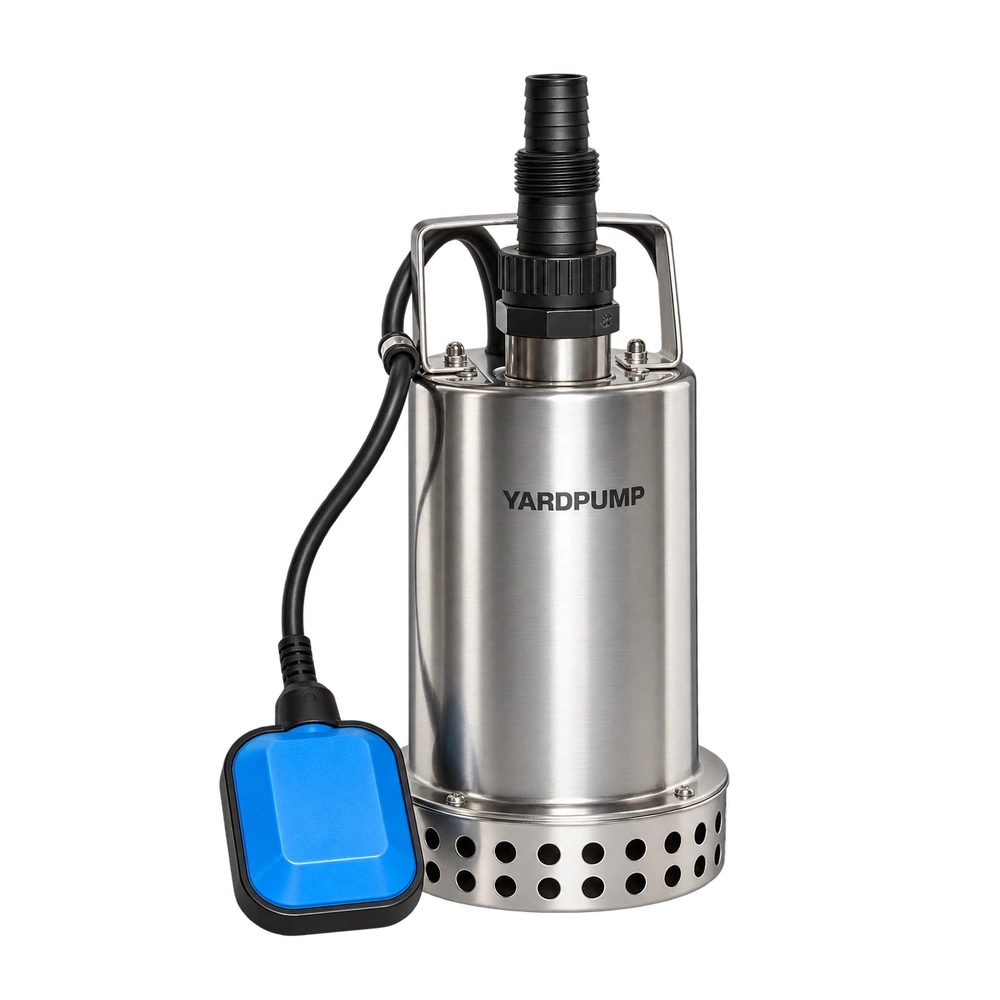
A salesperson sees one hundred pumps in the warehouse and wants to promise all of them for immediate delivery. Physical stock is not the same as available-to-promise stock. Check reservations, inspection or quarantine status, configuration, location and release evidence before committing. Pumps sharing a model name may still have different electrical versions, plugs, packaging or customer labels.
Quantity and status are separate dimensions
Some units may already be allocated to other orders. Others may await inspection, repair or identity clarification. A normal stock item can also be unsuitable for the new order's configuration without an approved conversion.
Combining those categories into “in stock” can hide a delivery gap until after the customer has been promised a quantity. The relevant question is how many matching, released units are genuinely uncommitted at the stated time.
Records must also match the physical situation. Transfers, picked goods not yet posted and shipments awaiting synchronisation can affect the displayed total. Yesterday's exported spreadsheet is not automatically the current position.
| Stock state | Directly available for a new order? | Necessary check |
|---|---|---|
| Reserved for another order | Normally not available again | Allocation and authorised changes |
| Awaiting inspection or quarantined | Not before release | Reason, scope and disposition |
| Available but differently configured | Not automatically a match | Approved conversion and verification |
| Released and matching | Still needs current confirmation | Physical quantity, location and allocation |
Avoid counting the same restriction twice
For a hypothetical example, assume one hundred physical pumps include thirty reserved for other orders and twenty in quarantine, with no overlap between those groups. Fifty remain for further availability checks.
That does not establish an unconditional promise of fifty. Configuration, record accuracy and shipment conditions still need confirmation. The subtraction only addresses the restrictions included in the example.
If reservation and quarantine overlap, subtracting both totals mechanically can count the same unit twice. Use relationships at a unit or suitably distinguishable lot level. Conversely, a system displaying only one main status must not hide another genuine commitment.
Match the customer's requirement before promising a date
Compare electrical version, cable and plug, controls, materials, instructions, labels and packaging as well as the general model. Where conversion is possible, identify the approved work, responsible personnel, verification and lead time.
Planned conversion is not already matching stock. An expected inspection result is not an issued release. Keep unresolved conditions visible rather than converting anticipated completion into a present-tense availability claim.
Urgency does not automatically release stock under inspection or repair. Expedited handling still needs the required checks and authority. A shorter administrative schedule is different from eliminating acceptance evidence.
Connect the promise to a controlled allocation
Sales, warehouse, planning and quality functions should confirm the same stock position at an identified time. Once a quantity is assigned, update it through the established process to prevent two people promising the same units.
A temporary worksheet needs a clear owner and version. It should support the existing authoritative inventory record, not become a competing source that silently diverges from it.
Before despatch, recheck the physical units, configuration, quantity and release status. Record discrepancies and decisions. If the original commitment cannot be met, adjust the customer promise promptly using the actual position rather than treating a ledger total as completed delivery.
Available, allocated, released and shipped describe different stages. Accurate wording helps everyone understand what has happened and what remains conditional.
This article describes an inventory decision process. It does not prescribe a software status scheme or disclose any YARDPUMP stock or lead-time commitment. All numerical examples are hypothetical.
Frequently asked questions
Can quarantine stock expected to pass tomorrow be advertised as available today?
Do not describe anticipated release as completed. A conditional plan can be explained with its unresolved requirements.
Can stock needing only a quick plug change count as matching?
Not automatically. Confirm the approved configuration, work, verification and time before treating the conversion as complete.
Which number wins when physical stock and the system disagree?
Investigate and reconcile under the established inventory process. Do not choose whichever figure supports a more favourable sales promise.