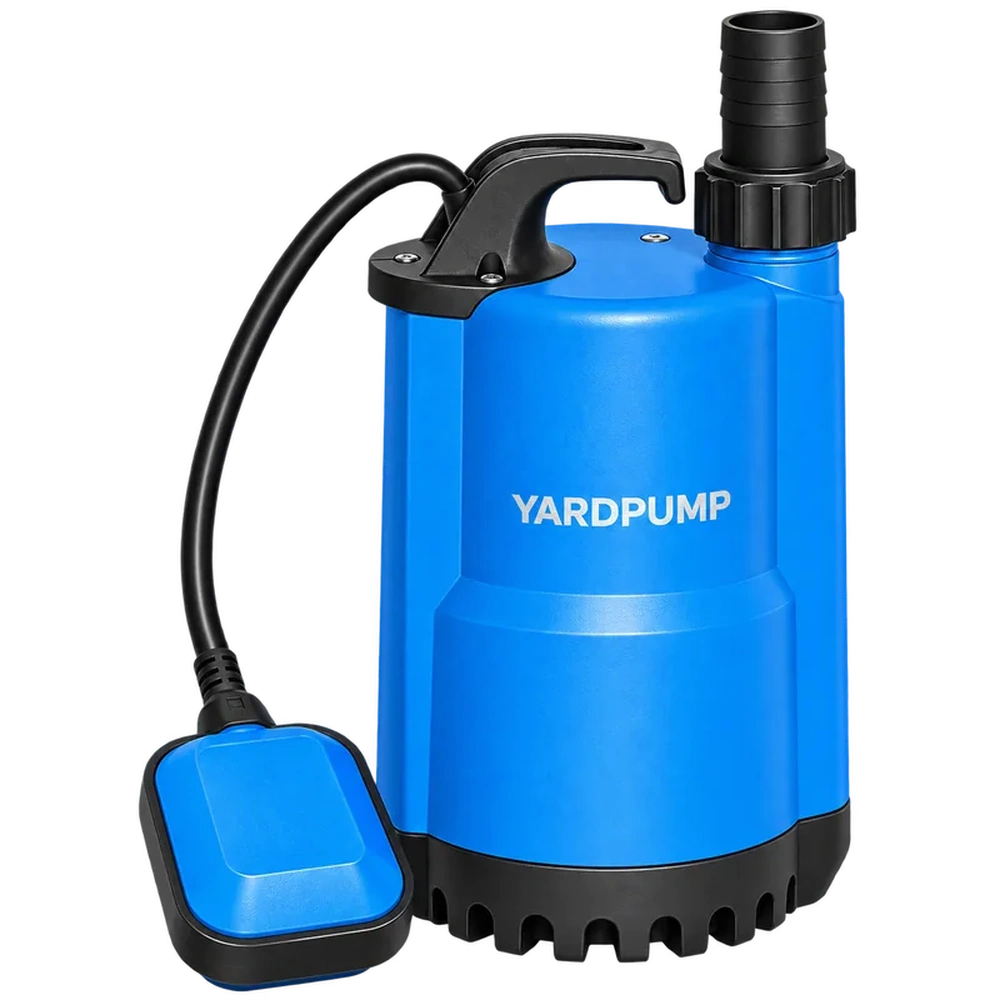
Two hundred pumps are physically in a distributor's warehouse. Can they all be treated as owned stock and promised to customers? If some are on consignment, separate location, ownership arrangements, sales permission and settlement status. Where a pump sits does not independently determine who owns it or may release it.
Define the inventory arrangement
Consignment, demonstration loans, goods awaiting acceptance, ordinary purchases and service replacements may share one building while carrying different permissions. Establish the agreed arrangement, the event that triggers withdrawal or sale, and how settlement and risk are handled.
Legal and accounting treatment depend on the specific agreement and applicable requirements. The label consignment does not by itself decide ownership transfer or financial recognition. Responsible commercial, legal and accounting personnel should confirm those matters where necessary.
This article concerns the operational information needed to make the arrangement traceable.
Physical quantity is not freely saleable quantity
Consigned pumps may still await inspection, market-version confirmation or release permission. Reserved, rework and quarantined units cannot be promised again merely because they are present. Keep owned and consigned quantities identifiable while preserving SKU, revision and batch relationships.
For a hypothetical example, a warehouse holds 200 pumps, including 80 consigned units. Twenty of the consigned units await acceptance. The full 200 cannot be represented as unconditionally available. Actual saleable quantity also depends on authority and other stock states. These figures illustrate classification rather than an accounting conclusion.
| Record dimension | Question answered | Insufficient substitute |
|---|---|---|
| Physical location | Where are the pumps and how many? | Invoice value |
| Ownership arrangement | Under what agreement are they held? | Warehouse address |
| Sales permission | Which units may be released? | Total received quantity |
| Settlement state | Which withdrawals or credits are complete? | One stock count |
Record withdrawal as an event
Agree whether withdrawal occurs at customer dispatch, distributor purchase confirmation or another defined milestone. Record SKU, batch, quantity, date and the related order. Otherwise pumps may be sold while the supplier still believes they remain in consigned stock.
Returns, cancellations and warranty replacements need corresponding reverse processes. A returned service unit should not simply increase saleable consignment quantity. Its physical condition and commercial settlement may both differ from an unused unit.
An unapproved return also should not automatically restore the original unwithdrawn status. Keep the event and decision visible rather than adjusting the total without explanation.
Reconcile transactions and physical stock
At agreed intervals, compare opening quantity, receipts, withdrawals, returns, adjustments and closing quantity. Retain reasons for differences. Counting one hundred pumps cannot explain whether the missing balance was sold, damaged, repaired or remains in transit.
A balanced electronic ledger does not remove the need for appropriate physical verification. Conversely, a correct count does not establish that every transaction was settled correctly.
Similar voltage and control variants need exact identities. Do not use a different SKU to make the quantity reconcile. Define authority and evidence for adjustments instead of deleting transactions to produce a matching total.
Agree the exit conditions
Before the consignment ends, define how expiry, slow sales, cooperation changes or obsolescence lead to return, purchase or another disposition. Establish packaging, condition checks and cost responsibilities. Long-stored goods still require appropriate assessment; consignment status does not preserve physical condition indefinitely.
Connect warranty responsibility, service timing and spares support to sales records. Those questions should not first emerge after an end customer buys a unit.
A useful consignment arrangement can support channel flexibility while retaining responsibility and traceability. It should not create an inventory sheet detached from real movement.
This article does not describe an existing YARDPUMP consignment policy or promise particular payment or return rights. Confirm the actual agreed terms.
Frequently asked questions
Does warehouse location establish distributor ownership?
No. Review the agreement and applicable requirements rather than location alone.
Can every consigned unit be promised to customers?
Check release permission, acceptance, reservations and quarantine states first.
Does a correct stock count prove correct settlement?
No. Withdrawals, returns and associated transactions still need reconciliation.