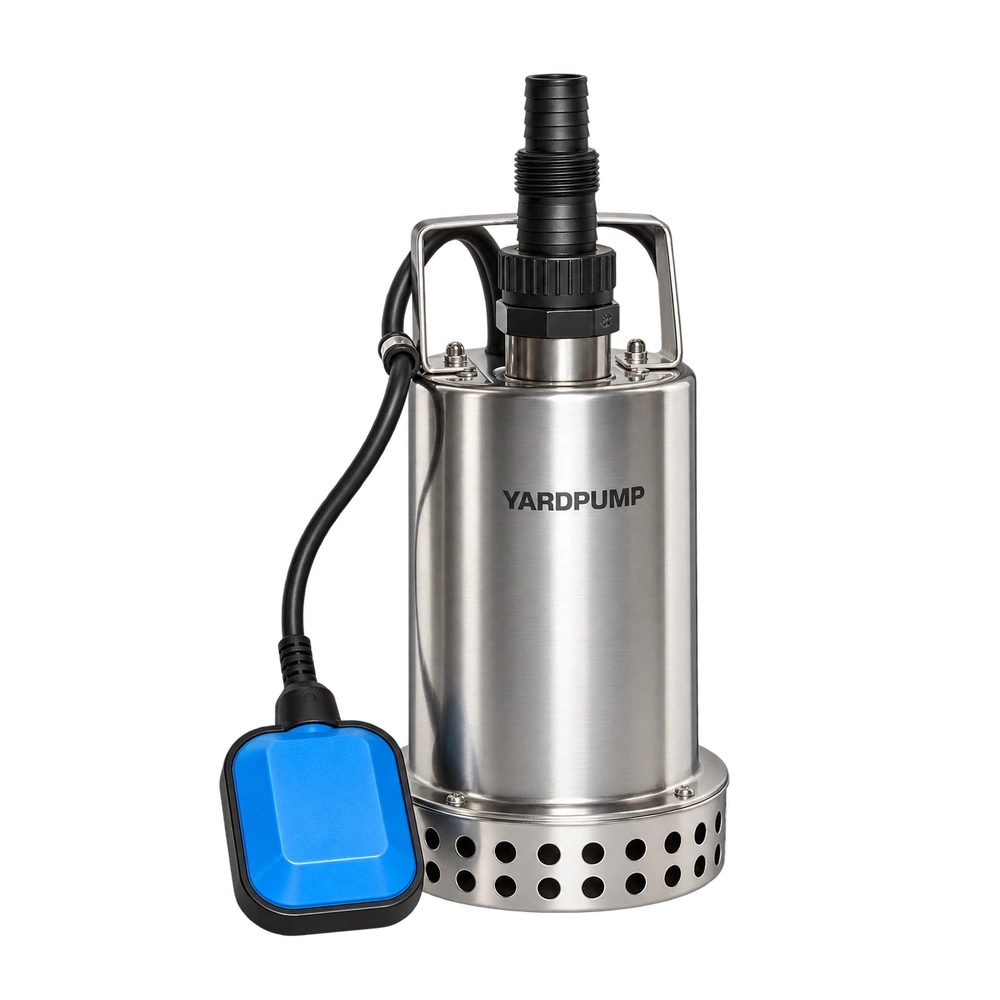
If wet cartons and distorted floats appear when a container opens, distributing stock through the warehouse before taking evidence destroys the claim trail. During the first 24 hours, preserve facts in the order of container condition, pallet and carton condition, quantity, sampled function and quarantine before normal receiving.
What drives the result
Transport damage often follows position: door rows see rain, top rows see condensation, bottom rows carry compression and void areas experience impact. Sampling without recording carton position cannot distinguish a local event from a lot-wide risk. Good cartons do not exclude housing stress, pinched cable, loose adapters or restricted floats. Functional inspection must use the approved method rather than an improvised dry run that creates new damage.
An illustrative way to check
Film the seal, container number, doorway, ceiling, floor and each abnormal row continuously before unloading. Sample front, middle and rear positions across upper and lower tiers rather than only convenient door cartons. Expand inspection around wet or collapsed zones and mark the affected stock as quarantined. Quantities follow the order and risk plan.
Translate pump container arrival inspection into a signed record before the purchase order, not an argument at final inspection. Define sample identity, measurement boundary, instruments and units, stabilisation conditions, decision rule, retest method and disposition of a failure. The record should trace to the exact model, BOM revision and production lot. Photographs can preserve condition but cannot replace numerical evidence. If either party proposes a different acceptance method, document the risk changed by that revision before approving it.
Actions for the site or purchasing team
- Before opening, verify seal and container identity and document odour, moisture, displacement and visible damage.
- Create a location map for crushed cartons, wet marks and shifted pallets.
- Reconcile model, colour, electrical version, quantity, accessories, manuals and labels.
- Use stratified random units for appearance, switch freedom, cable, specified electrical and water-run checks.
- Keep undecided stock segregated and submit evidence within contractual notice periods.
Limits and application boundary
Claim deadlines and evidence depend on transport contract, insurance and Incoterm. Stop entry and seek specialist help if chemical leakage, severe mould or container hazards are present.
Frequently asked questions
Are close-ups of damaged cartons enough? No. Record container, seal and carton location to preserve context.
Do a few door-row cartons represent the load? No. Cover front, middle, rear and vertical tiers, then expand abnormal zones.
May units be dry-run for receiving inspection? Use the approved method; receiving must not create dry-run damage.
Related reading
Private-Label Submersible Pump Pre-Shipment Inspection: What Should Buyers Actually Check?
Before You Open a Returned Pump: An RMA Evidence Checklist for Distributors