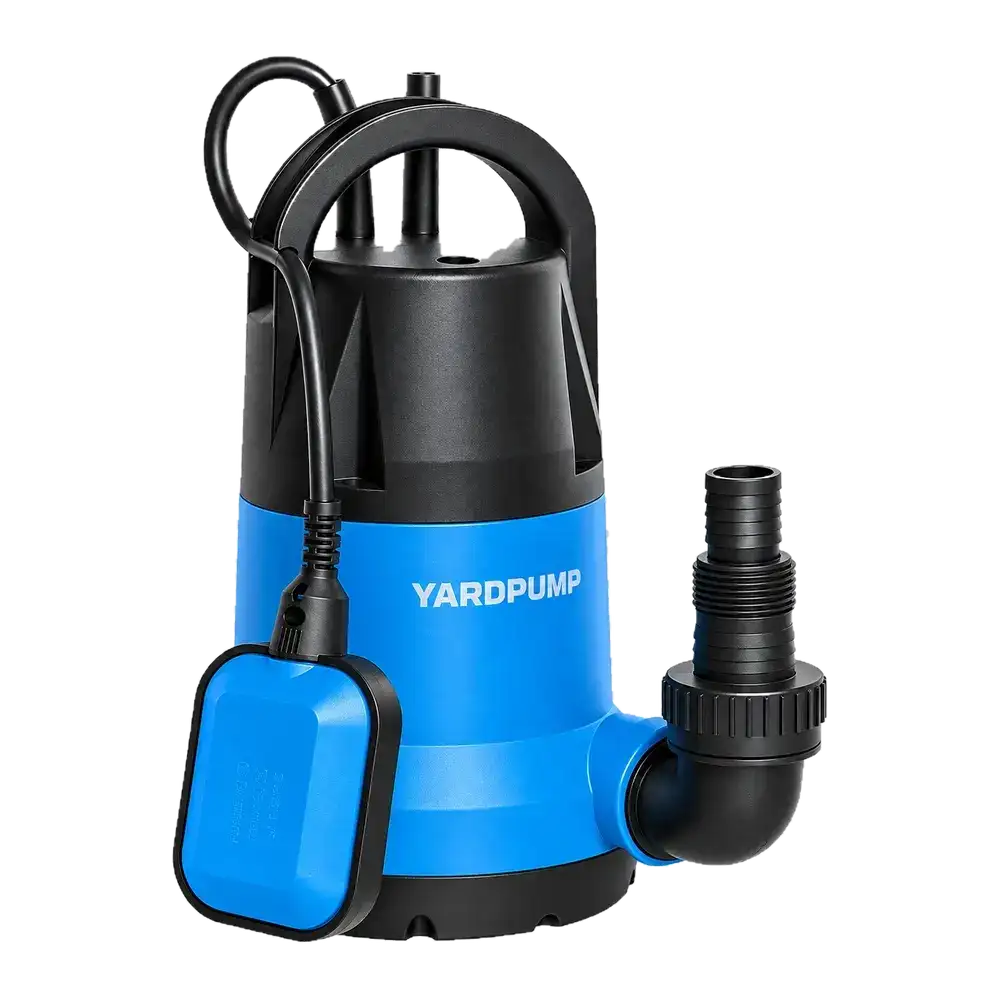
Buyer and supplier each retain an approved pump, yet inspection produces two claims that the shipment differs from “our sample.” What went wrong? The two retained units must first be established as one agreed reference set. Keeping one pump on each side does not prove matching batch, revision or decision authority.
Confirm the relationship between the units
Identify each counter-sample by source batch, electrical configuration, relevant BOM, accessories and physical condition. Where appropriate, verify and seal them together so both parties understand the relationship.
A common housing and model name are insufficient to establish equivalence between pumps obtained at different times. If one underwent testing while the other remained a visual witness, their purposes and conditions differ as well.
State whether each unit is a witness, test specimen or another reference. A dismantled or modified test pump should not silently remain the supposedly unchanged common baseline.
Samples cannot define every requirement
Performance, materials, dimensions, tolerances and packing quantities still need controlled information. A physical reference helps with certain observable features; it cannot replace every numerical requirement or approval scope.
Hidden elastomer, shaft and winding details should not be decided from memory or appearance. Link the sample to the documents that establish those characteristics.
Agree a clarification procedure where sample, drawing, specification and change record conflict. Define document precedence where necessary. Neither side should invent absolute authority for its own specimen only after a dispute appears.
| Reference topic | Record | Likely disagreement if omitted |
|---|---|---|
| Both unit identities | Source, configuration and sealing | Same model, different revision |
| Intended use | Witness or test role | Tested condition treated as original |
| Supporting documents | Specification, drawing and approvals | Sample treated as the entire requirement |
| Dispute process | Joint review and decision authority | Separate interpretations at inspection |
Understand a revision mismatch
In a hypothetical example, the buyer's pump comes from an early trial. Both parties later approve an accessory change. The supplier updates its counter-sample, while the buyer retains the original unit without a documented change relationship.
Both specimens genuinely exist, but cannot be used interchangeably for the same current decision. The remedy is not to destroy the old sample or rewrite history. Connect the original reference, approval, new reference and production cut-in.
An old sample can remain valuable historical evidence if its limitations are identified. State which present requirements it no longer represents. This is an illustration rather than a reported customer incident.
Compare storage and usage condition
Record storage environment, wet testing, dismantling, repair and completeness of labels and accessories. Over time, colour, elastomers or other conditions may change. First assess whether a difference relates to storage or use rather than treating every discrepancy as a production substitution.
Controlled documents, unused same-lot specimens and agreed measurement methods can support the comparison where needed. Internal or electrical examination requires qualified personnel with power isolated and stored energy addressed.
A supplier's carefully stored witness and a buyer's frequently used demonstration unit may remain related by identity while no longer representing the same physical condition. That distinction needs visibility before either is used as a rejection standard.
Conduct a joint review
List the specific disputed features. Confirm both specimen identities and applicable scope, then compare those features using the same method. If an independent laboratory is needed, define the objects, sealing and decision task before dispatch.
Otherwise the laboratory may receive two unmatched revisions and be asked to resolve a disagreement that is actually about document control rather than product performance.
The purchasing objective is a reference set both parties can interpret together. Two unconnected objects labelled approved do not achieve that. This article does not establish a counter-sample procedure for a particular YARDPUMP order; the confirmed transaction records remain authoritative.
Frequently asked questions
Can two pumps with the same model name serve as counter-samples?
Not automatically. Confirm source, revision, usage condition and approval scope.
Must an earlier sample be discarded after a revision?
No. Keep its historical identity and clearly state the current requirements it no longer represents.
Can a visual reference establish internal material identity?
No. Hidden construction requires corresponding controlled information and evidence.