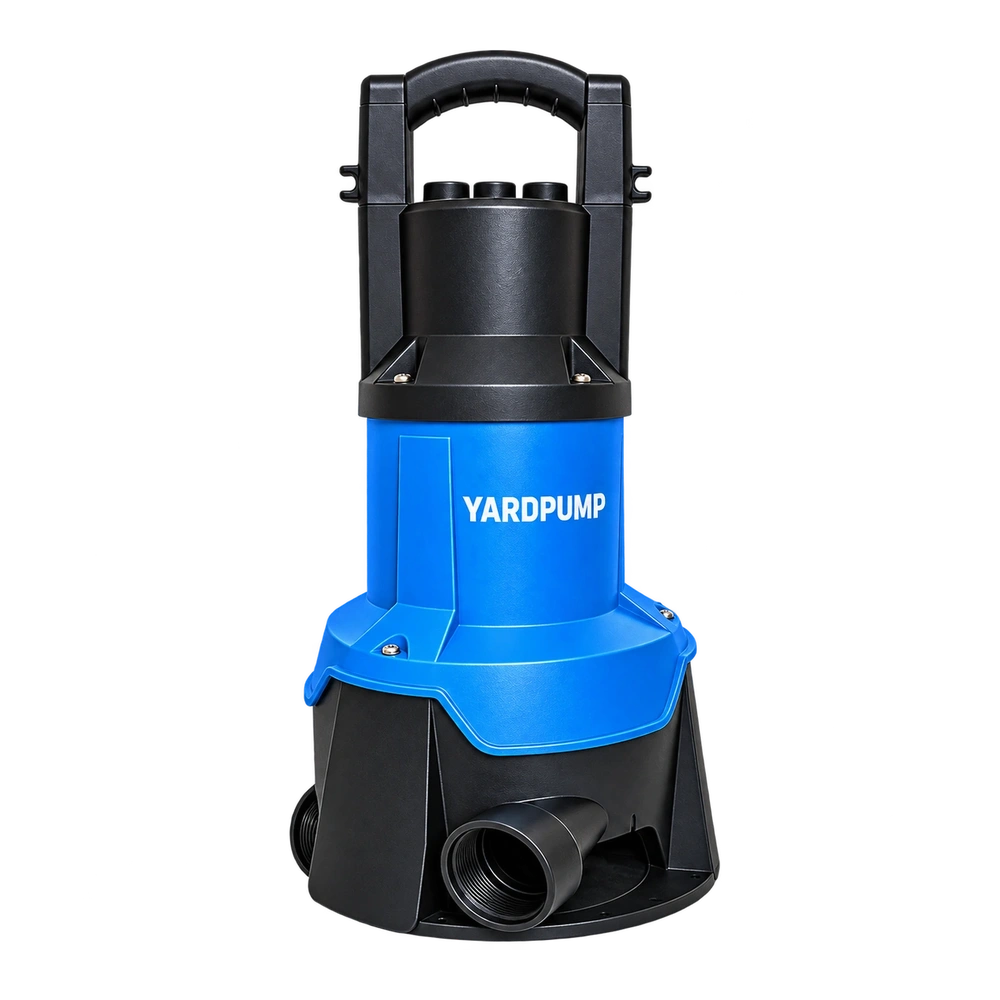
Purchasing takes a pump sealed two years earlier from a cabinet and uses it to judge a new batch’s colour, noise and performance. First establish what has happened to that sample. It may have been wet-tested, dismantled, cleaned or stored in damp conditions. A retained unit is not an unchanging absolute standard.
Separate witness and functional roles, and use controlled documents alongside the physical sample. One old pump should not silently carry every acceptance requirement.
A retained sample can serve different purposes
An appearance or construction witness helps confirm approved configuration, shape, markings and interfaces. A functional comparison unit supports an agreed performance procedure. Repeated wet testing can introduce wear, deposits and changes in sealing condition. An endurance-tested unit cannot be cleaned and assumed to have returned to its original state.
Drawings, BOM revisions, performance boundaries, colour standards and packaging records identify what the sample represents. If sample and documents disagree, investigate and clarify under change control. The inspector should not choose whichever interpretation is more convenient.
Check the history before deciding what to compare
Record identity, approval date, revision, storage conditions and each withdrawal, run, dismantling or abnormal event. If earlier use was not recorded, retain “history unknown” as a limitation. Do not retrospectively relabel it as unused. A wet-tested sample also needs attention to retained water, corrosion, deposits and drying condition.
As a hypothetical example, a pump used in a sand demonstration is cleaned and still runs. It may remain useful as a construction witness, but its flow or noise should not become the sole new-production acceptance baseline without condition verification. This is not a company incident; it illustrates why permitted use must follow sample condition.
| Sample role | Useful purpose | Unsuitable assumption |
|---|---|---|
| Appearance witness | Shape, markings, interfaces and construction | Unverified absolute performance |
| Functional comparison unit | Trends under an agreed procedure | Permanent stability without a use record |
| Endurance or failure-analysis unit | A defined experiment or mechanism study | Return to unused-standard status |
Store the complete assembly appropriately
Follow the model’s storage and handling requirements, controlling sunlight, moisture, chemical contamination and unnecessary vibration. A storage period for one elastomer cannot simply become the expiry period for a complete pump containing metal, electrical parts and other materials. Good appearance also does not replace cable, connection and safety checks before use.
Give functional samples a pre-use inspection and condition-verification procedure. Where appropriate, retain repeated readings at a baseline duty. If the trend shifts, investigate the sample, rig and environment separately. Do not alter the production specification merely to follow a drifting comparison pump.
Set review frequency according to risk and actual use. There is no single expiry period that this article can legitimately assign to every pump. A frequently operated comparison unit and a protected appearance witness need different management.
Replace the standard without losing continuity
A new standard should match the approved revision and have an agreed identity, inspection result and purpose. Where useful, compare old and new units on the same arrangement during an overlap period. Record differences and their explanation before establishing the new effective date.
Retain the old identity when it leaves primary acceptance service. Moving its label to another pump destroys the history. If the product has changed, distinguish a historical witness of the old version from the current production standard. Factory and distributor samples should have aligned revision and condition records.
The practical goal is a defensible comparison. A physical unit remains valuable, but only while its intended role, condition and relationship to the specification are clear.
Record loans for exhibitions and demonstrations. Transport, wet running and temporary connections may alter the sample. Check identity and use history before returning it to the standards cabinet. If information is missing, retain the limitation rather than allowing a demonstration unit to be mistaken for an untouched witness.
Frequently asked questions
Does a pump that still turns remain a valid functional standard?
Not automatically. Confirm condition, relevant duty and measurement stability. Rotation establishes only a limited function.
Can every requirement be written as “same as the approved sample”?
That is weak control. Critical dimensions, performance and safety requirements need documented criteria that remain available if the sample changes.
Must an expired standard be destroyed?
Not necessarily. It may become a historical witness or research unit, with clear identification preventing its return to current acceptance use.