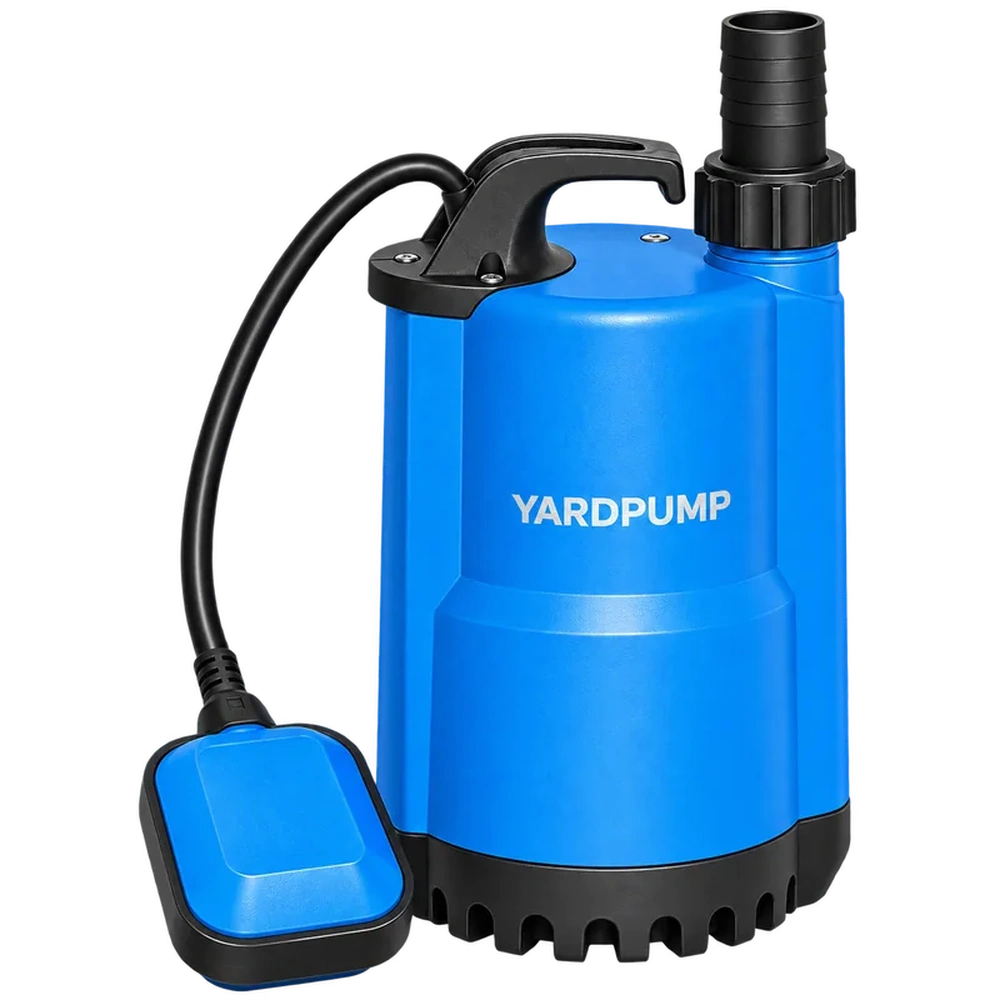
A distributor runs a new pump in a showroom tank for half a day, wipes the housing and returns it to its original carton. Can it immediately ship as unused stock? Appearance alone is insufficient. Demonstration changes the unit’s operating, moisture, accessory and packaging history.
Move it to a defined assessment status first. Establish suitable cleaning, drying, inspection and commercial disposition before returning it to a saleable category. The decision must reflect the contract, product requirements and applicable local rules.
Demonstration changes more than the outside surface
Water can remain in passages, fittings and filtration areas, leaving deposits or marks. Cables, plugs, accessories and labels may also be affected by display handling. Packaging protection, moisture condition and closure need attention.
That does not mean every wet-tested demonstrator must be scrapped. It means its actual condition must be identified. A controlled showroom demonstration, use at a customer site and a repaired return should not all be recorded simply as “sample”.
Their exposures and acceptance needs can differ substantially.
Preserve identity and separate the stock status
Before demonstration, record serial identity, configuration, accessories, location and intended use. On return, record the actual liquid, operating period and any abnormality.
If the only available information is that someone used it, preserve that uncertainty. Do not fill the gap by classifying the pump as unused.
| Stock status | Evidence | Shipping decision |
|---|---|---|
| Accepted unused stock | Original release and packaging records | Normal order allocation |
| Demonstrated, awaiting assessment | Use conditions and required checks | Keep separate from ordinary stock |
| Demonstrated, disposition approved | Cleaning, inspection and configuration results | Use the accurately defined sale category |
| Unknown or abnormal condition | Missing history, damage or fault | Continue isolation and investigation |
Electronic status should match physical identification and location. Otherwise, scanning a model code may still send an unsuitable unit into an ordinary order. Do not reset serial history or erase demonstration records when replacing packaging.
Clean and dry without creating another problem
Disconnect and isolate before handling or maintenance. Qualified personnel should perform electrical checks. Never energise a unit through wet or unsuitable connections merely to confirm that it still works.
Follow the pump and accessory instructions for cleaning. Unapproved solvents or disinfectants can damage materials. Address retained water in the fluid path, not just the housing surface.
Do not accelerate drying with unapproved heat, compressed air or prolonged dry running. If the demonstration involved something other than the confirmed suitable clean water, assess contamination, corrosion and application limits separately.
As a hypothetical example, a returned demonstrator is missing a connector sealing ring. The pump may run normally, yet the delivered kit is incomplete. Match replacements to the approved accessory list and record the correction rather than borrowing an unverified similar part from another unit.
Inspect the condition relevant to its history
The inspection scope should follow actual exposure and product requirements. It may include external condition, accessories, labels, cable and plug condition, applicable electrical safety checks and function.
Brief water delivery is not evidence that all required checks passed. Nor should a sealed construction be dismantled casually just to claim that it is dry inside.
Instructions, protection pieces, accessories and labels must match the final sale condition. Deal with damp or damaged packaging under an approved procedure. If a demonstrator is sold under particular conditions, the description must accurately reflect its status. This workflow does not replace an assessment of local consumer or labelling obligations.
Make the distributor process easy to repeat
Use a concise issue-and-return record linking identity, conditions, abnormalities, missing parts and approved disposition. Identify who may clean the unit, who assesses technical condition and who approves the commercial category.
Supplier and distributor should agree demonstration configurations, maintenance and exit routes before the unit is borrowed. This avoids deciding under shipping pressure that wiping it dry is enough.
A unit that cannot meet agreed resale conditions may be assigned to training, investigation or another approved use. It should not silently re-enter a normal customer order.
Frequently asked questions
Must a ten-minute clean-water demonstration be recorded?
Yes, record what actually happened. A short duration does not make it unused, though the assessment scope can reflect the exposure.
Does a new carton restore unused status?
No. Packaging does not change operating history. Records and sale descriptions should remain accurate.
Must every demonstrator be scrapped?
No. Further sale depends on condition, complete configuration, approved disposition and applicable rules.