“The approved sample has not changed. Why check a first-off pump after restarting or changing the setup?” The sample defines the target, not the condition of today's workstation, materials, settings and assembly. First-off confirmation links the current production state to the approved requirement. It is neither a new design approval nor a replacement for process control and final inspection.
Identify changes that could affect the result
A shift change does not automatically require every test to be repeated. However, handover, restart, material changes, adjustment, tooling maintenance or restored software settings can alter the process. Define triggers from the actual risk and approved production plan rather than creating a signature exercise based only on a calendar event.
Consider a hypothetical assembly station where the reference sample and drawing remain unchanged, but a locating fixture has been removed for cleaning and reinstalled. The relevant question is whether the fixture and resulting assembly are correct now. Showing an old sample photograph does not verify that restored condition.
| Trigger | First-off focus | What still remains necessary |
|---|---|---|
| Fixture reinstallation | Location, assembly and relevant dimensions | Continued process stability |
| Material-lot change | Identity, suitability and assembly behaviour | Incoming control and traceability |
| Restored settings or programme | Current revision and actual parameters | Ongoing parameter control |
| Production after equipment repair | Affected functions and process results | Any required wider change validation |
Match the checks to the process
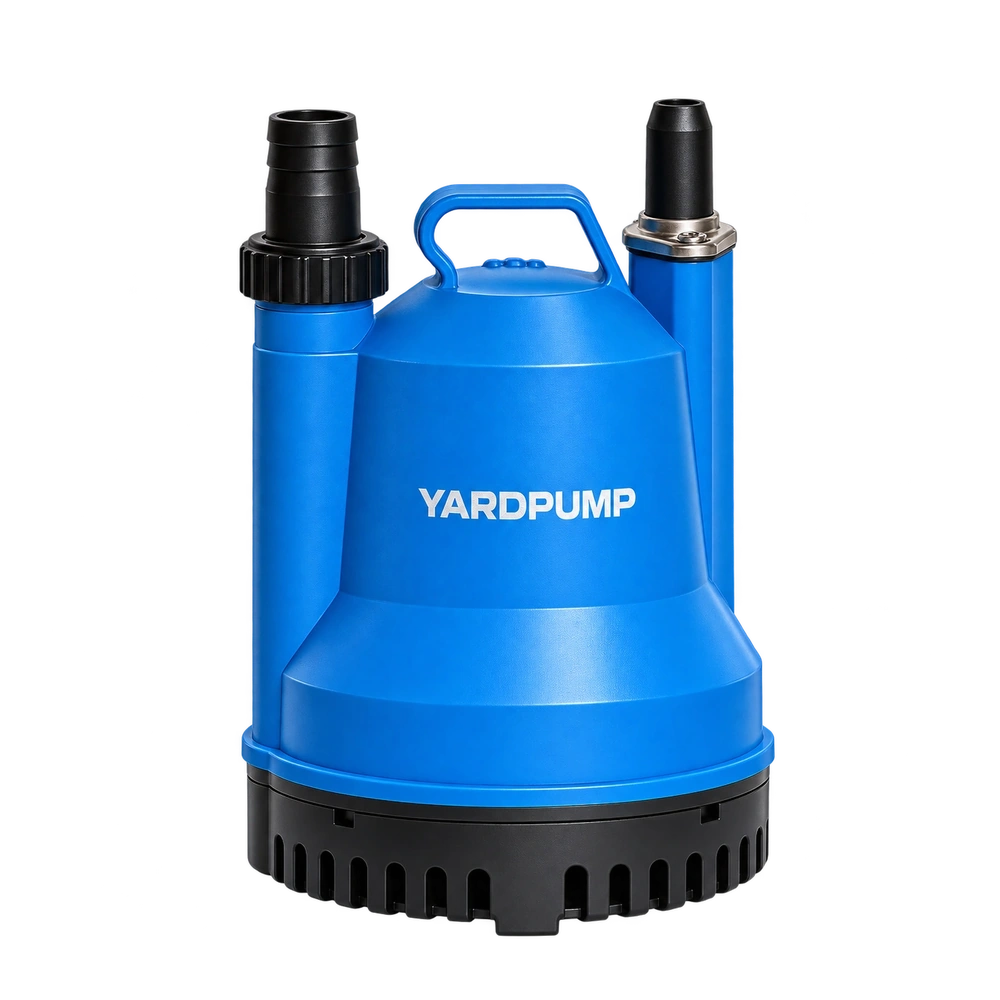
Pump first-off checks can address the relevant component versions, sealing assembly, fastening, connections and functions. The scope should follow the approved process and the actual change. It need not mean repeating every whole-pump test every time, but a visual check cannot establish electrical or hydraulic performance by implication.
Electrical, pressure and running checks require qualified personnel, specified equipment and appropriate safety arrangements. Restart urgency does not justify bypassing isolation, protection or confirmation steps. Do not improvise an unapproved test at an ordinary workstation.
Set the acceptance basis before checking. Otherwise, operators may select criteria after seeing the result or compare against whichever reference appears easiest to satisfy.
Define the state that passed
Record the station or equipment, materials, tooling, programme revision, time and results. If first-off inspection fails, investigate and establish the affected scope. Repeatedly selecting another item until one looks acceptable does not resolve the earlier failure.
Products already made under the suspect condition need an appropriate disposition. A later acceptable pump does not retrospectively prove that preceding units were conforming.
If the relevant state changes again, apply the defined trigger rules. A first-off approval is not unlimited permission for an entire shift or an indefinite quantity. Continue controlling parameters, materials and operating conditions after the initial acceptance.
Set useful purchasing expectations
The quality plan can identify changes requiring notification, records to retain and situations needing customer involvement. Requirements should be proportionate to the product and risk. A sector-specific first-article scheme should not be presented as a universal legal obligation for all domestic water pumps.
For OEM orders, connect the approved customer configuration to the actual workstation revision. A retained sample may be old. If the sample, documents and materials conflict, resolve the authoritative requirement before asking an inspector to choose between them.
The purpose is to confirm correct execution of a clear requirement, not to create another competing version of it. Keep the first-off record linked to the existing specification and production history.
This article concerns production restoration and setup changes. It does not replace sample approval, engineering change control or batch sampling. It answers whether the current process state correctly implements the requirements, rather than claiming that one accepted pump guarantees every subsequent unit.
Frequently asked questions
Must every shift change trigger identical complete testing?
Not universally. Use the process, actual changes and approved plan to decide. Avoid both unjustified repetition and missing critical checks.
Can a passing first-off eliminate later inspection?
No. First-off confirmation, process control and final inspection provide different evidence and should follow their respective plans.
Does selecting another passing sample close an initial failure?
Not by itself. Address the cause, determine the affected scope and verify the restored state as required.