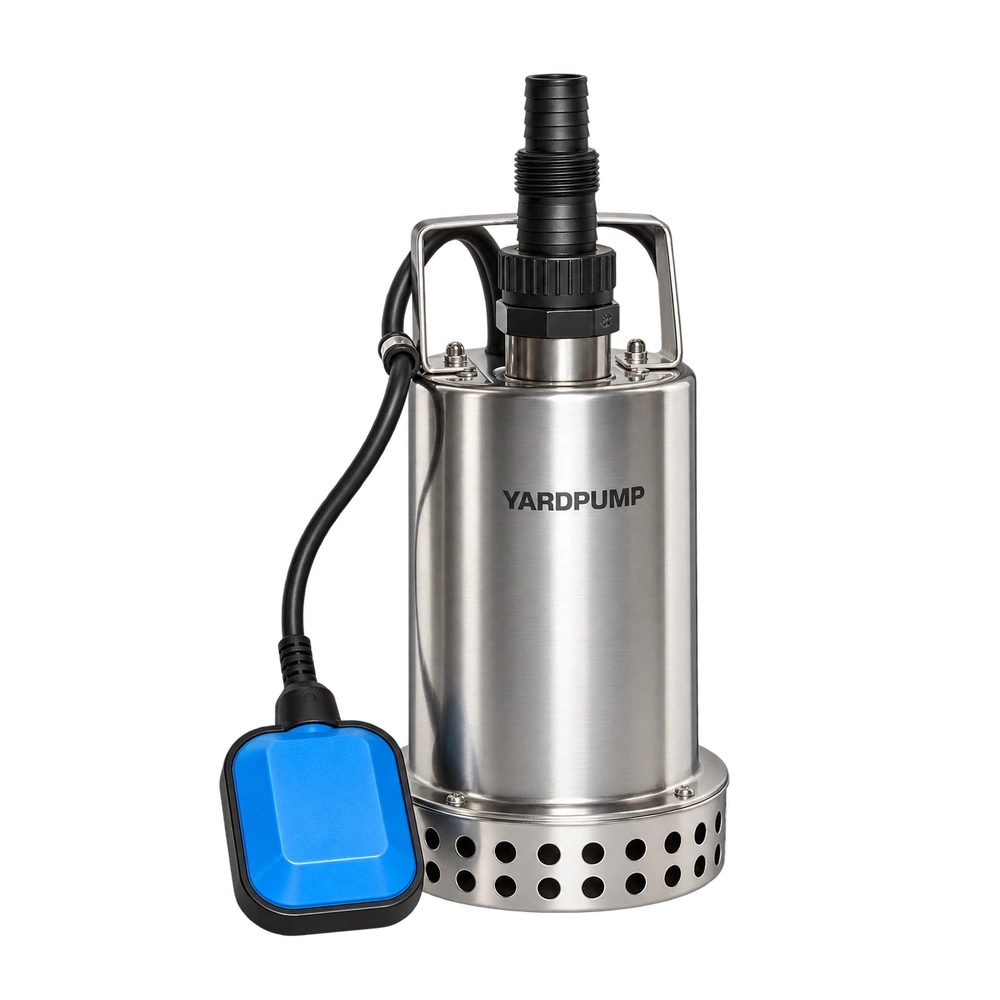
A recurring purchasing question is whether an FOB pump quotation needs an additional “tax percentage,” and whether costing should use tax-inclusive or tax-exclusive prices. The trade term alone cannot answer that. FOB addresses defined delivery, cost and risk responsibilities. It does not automatically determine the tax basis of a domestic purchase invoice or guarantee an export refund.
Identify which transaction the quotation describes
A factory selling to a domestic trading company and an exporter quoting an overseas buyer are different links in a transaction chain. Establish the seller, buyer, exporter and payment relationship first. Then identify which invoice and transaction a “tax-inclusive” amount describes.
State the named port and applicable rules version with FOB. The term does not replace a domestic tax agreement or explain every handling, documentation and special-operation charge. List included and excluded items explicitly instead of placing unspecified costs under a vague tax label.
| Separate item | What to confirm | What it must not be confused with |
|---|---|---|
| Domestic purchase price | Invoice basis and supply relationship | The export delivery term |
| FOB scope | Named port, rules version and cost boundary | A universal additional percentage |
| Export tax treatment | Entity, business conditions and evidence | An unconditional fixed refund |
| Margin calculation | Actual costs, charges and tax effects | Deducting an assumed refund only |
Invoicing and export tax treatment need evidence
Current Chinese export tax policies checked on 1 November 2026 distinguish relevant treatment and filing requirements for qualifying production enterprises and foreign-trade enterprises. Application depends on the entity, goods classification, transaction and supporting documents.
Do not apply a rate heard elsewhere in the industry to every pump order. A supplier's proposed percentage for issuing an invoice is also not automatically a statutory tax rate. Confirm invoice type, issuing entity, genuine transaction and agreed price.
The business's finance or tax personnel should establish the actual treatment using current rules and transaction documents. A quotation should not depend on inaccurate documentation or an unsupported promise that a refund will certainly arrive.
Compare like-for-like amounts
Consider a hypothetical commercial example with no tax-rate assumption. Two quotations both show a base amount of 100 currency units. One includes the confirmed handling scope and agreed invoicing basis. The other adds eight currency units of identified operating charges. Once scope is aligned, the comparison is between the complete amounts, not merely the two headline figures.
The eight units represent an illustrative commercial charge. They are not a VAT rate, surcharge rate or export-refund percentage. Any confirmed tax effect should be recorded separately with its calculation basis and responsible party.
Expected refunds also have conditions and timing. They should not be treated as an unconditional cash discount available immediately to fund production or delivery.
Build a cost sheet that can support a real quote
Record the supplier amount, invoicing basis, domestic and export operating charges, currency assumptions and other confirmed costs separately. Finance personnel should identify which tax amounts are recoverable and which export-tax assumptions have supporting evidence.
Leave unresolved items visible. Their impact on margin and cash flow should be assessed rather than silently replaced by a favourable percentage. Where a supplier changes its invoicing or transaction arrangement, revisit the calculation instead of carrying forward the old tax assumption.
The final customer quotation should state validity, currency, quantity, configuration, named port and included scope. A request for “FOB price” still needs those commercial conditions. An unexplained low headline price followed by additional charges does not provide a useful purchasing comparison.
This article is a quotation-review framework. It does not calculate tax for a particular business or promise a refund rate for any YARDPUMP model. Classification, eligibility, current policy and transaction documents need individual confirmation by the responsible finance or tax personnel.
Frequently asked questions
Does FOB automatically mean a tax-exclusive price?
No. The delivery term and the tax basis of a domestic invoice need separate agreement. One does not automatically establish the other.
Does holding an input invoice guarantee the expected refund?
No. The actual business must meet the relevant conditions, filing and document requirements, with treatment determined under applicable rules.
Should buyers compare only tax-exclusive amounts?
Not universally. Align the transaction, invoicing and cost scope, then have finance personnel confirm the relevant tax effects when comparing complete costs.