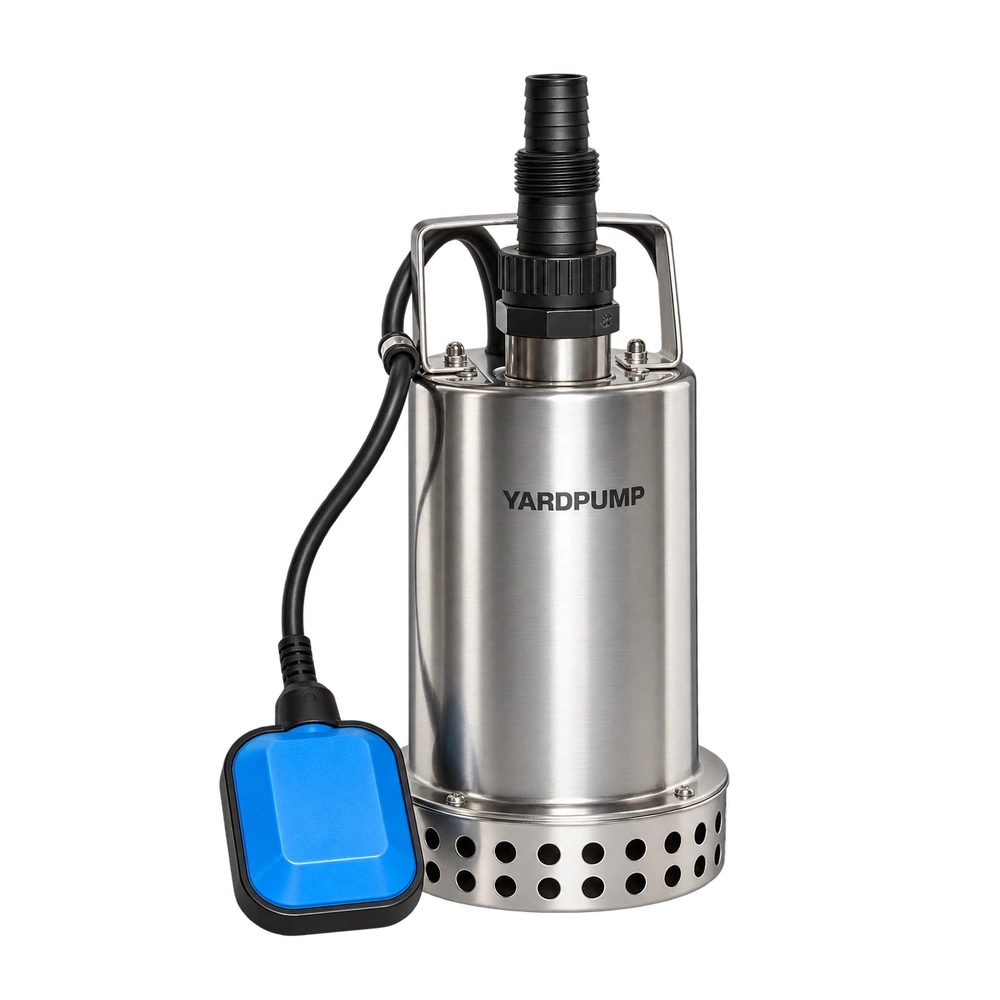
A drainage-pump kit is quoted with a stainless hose clamp. On a sample, the band remains bright while the screw develops rust. Does the band marking prove that the whole clamp has the same material? No. A clamp is an assembly. Specify the band, housing and screw separately, then verify the exact supplied version against the intended exposure and joint requirements.
Read the assembly rather than one visible strip
Commercial worm-drive clamps can combine a stainless band and housing with a plated steel screw. Other versions use stainless components throughout. That difference is not automatically an undisclosed defect: the question is what the order actually required. A quotation saying only “stainless clamp” leaves an important purchasing ambiguity.
Ask for a component material schedule and the manufacturer's exact part identity. If a supplier uses a material code, obtain its definition for that product. Do not assume a similar-looking code or product photograph establishes identical construction across manufacturers. Keep any coating specification distinct from the screw's underlying metal.
Match the exposure without inventing a service life
An outdoor discharge connection may experience rain, retained water, intermittent immersion, fertiliser residues or cleaning products. A clamp used briefly and then stored dry sees a different exposure from one left wet beside a sump. State the actual conditions before selecting the accessory. Do not turn a generic stainless description into a promise of seawater suitability.
Rust on a screw does not by itself prove that the band was substituted, nor does a clean band prove the screw is sound. Identify which component is affected, preserve the supplied marking and record the storage and operating conditions. Colour alone cannot establish material grade, remaining strength or the date damage began.
Separate material verification from joint performance
A magnet is not a reliable pass-or-fail method for the entire material specification. Different stainless grades and processing conditions can respond differently, while the assembly can contain several materials. Where exact grade matters, use appropriate documented material identification through a competent supplier or laboratory. A check of one accessible surface should not be described as verification of every hidden part.
Correct material also does not guarantee a suitable clamp. The installed hose diameter, band width, edge finish, tightening system and approved torque still matter. An unsuitable or over-tightened clamp can damage a hose or distort a plastic pump adapter. Do not compensate for corrosion concerns by simply tightening harder.
Write a receiving decision that can be repeated
For an illustrative pump-kit RFQ, list the band, housing and screw as three separate rows. Beside each, record the required material or finish, the supplier's part number and the evidence expected at receiving. Then link the clamp to the approved hose, barb and installation procedure. These are example purchasing fields, not a claim about every YARDPUMP accessory.
At receiving, compare the exact assembly and packaging identity with the released sample and component schedule. Investigate an unexplained screw or housing change before treating a familiar band marking as sufficient. Keep suspect stock identifiable, and determine the affected lots from records rather than assuming every delivered pump is involved.
| Check | What it can establish | What it cannot establish alone |
|---|---|---|
| Band marking | The marked product identity | The metal of every component |
| Component schedule | Required band, housing and screw construction | Correct tightening on the actual hose |
| Approved assembled joint test | Performance of that tested combination | Unlimited life in every liquid |
After a change, verify the relevant assembled connection and exposure requirements. If a screw is corroded or damaged in service, isolate and depressurise the system before qualified inspection. Replace the approved assembly where required; fitting an arbitrary screw into an old housing can change engagement, strength and tightening behaviour.
For YARDPUMP compact drainage-kit procurement, the useful decision is a traceable accessory assembly suitable for its real connection. This article does not assign one clamp grade to the whole product range. It helps a buyer separate a material-order discrepancy from an installation problem and ask for evidence that resolves the actual issue.
Frequently asked questions
Does a stainless band guarantee a stainless screw?
No. Confirm the construction of each component in the exact supplied clamp version.
Can I reject the whole kit because a magnet attracts the clamp?
Not on that observation alone. Compare the specification and obtain suitable material identification where needed.
Is a higher stainless grade enough to approve a replacement?
No. The complete clamp, hose, adapter and tightening process must remain compatible with the approved joint.