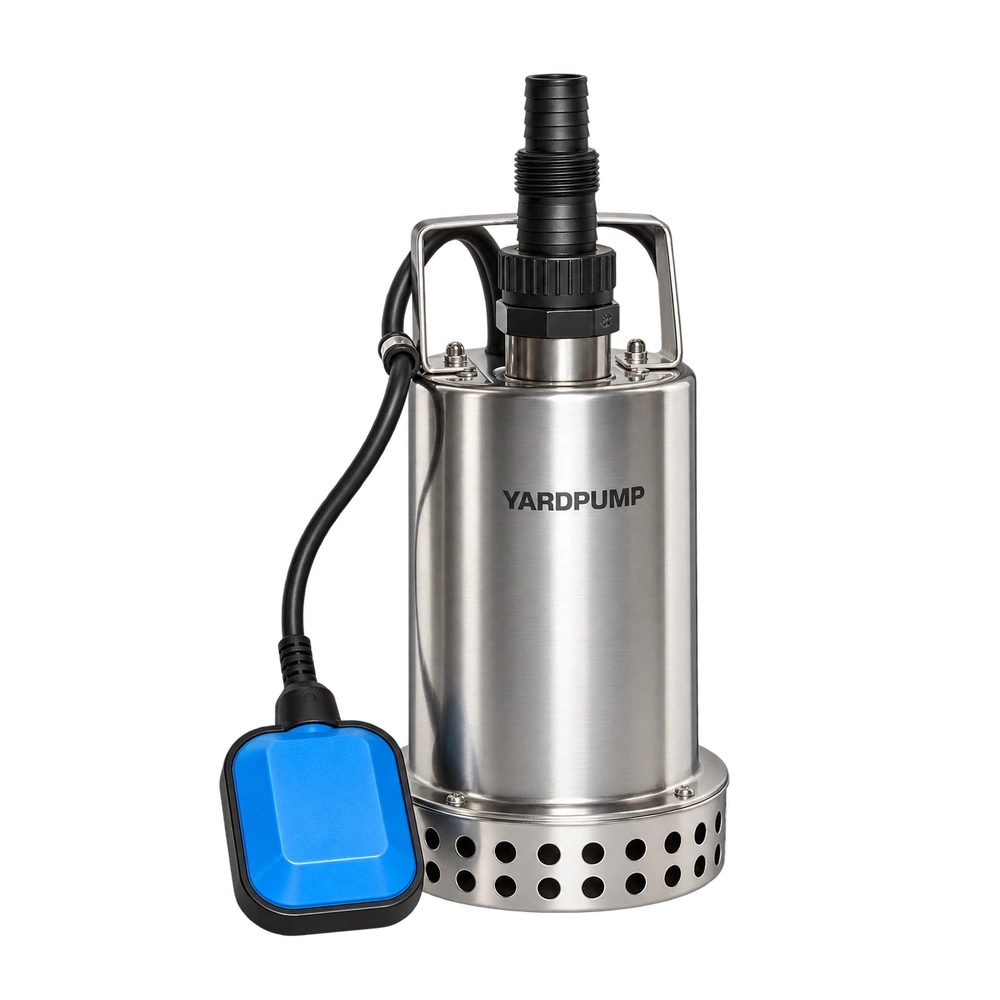
A distributor says the manual clearly explains float clearance, yet users still trap the float against a barrel wall. The missing element may not be another warning sentence. Readers must translate the instructions into the correct action. Validate a pump manual by observing representative users complete important tasks, rather than checking spelling and page count alone.
Choose actions that determine the result
Useful tasks include identifying the permitted liquid, selecting the outlet adapter, allowing float movement, routing the cable and lifting rope, and recognising when the pump must be isolated. Give each task an observable completion condition.
Asking “Did you understand?” is weak evidence. A reader may confidently mistake residual-water depth for automatic starting level. A clear illustration of start, stop and manual finishing conditions can be more useful than a longer paragraph, provided those conditions match the model.
Every pictured float, fitting and cable arrangement must correspond to the supplied version. An attractive drawing of an earlier configuration can teach the wrong action more effectively than poor text.
Observe tasks instead of collecting approval ratings
Ask people resembling the intended channel's users, who did not write the manual, to complete a controlled installation exercise. Observe which page they seek, where they hesitate, whether they reverse a fitting and what they would do after an abnormal symptom.
Do not create an electrical hazard for a usability test. Use isolated equipment, models or safe demonstrations, with qualified personnel performing any steps requiring electrical competence. A participant who stops at a genuine safety uncertainty may be responding correctly.
Avoid prompting at every hesitation and then recording the task as independently completed. Distinguish unaided success, prompted completion, incorrect completion and a deliberate request for assistance. These outcomes identify different weaknesses in the instructions.
A small exercise can reveal a specific defect
Consider an illustrative task in which five representative users identify two similar adapters and connect a specified hose. If someone relies on the order of parts in the box because the size marking is hard to find, investigate the marking and its connection to the drawing.
This small exercise can reveal a design problem. It does not establish the market-wide installation error rate. Do not convert a few observations into a fabricated customer statistic.
After revision, repeat the task under comparable conditions while accounting for learning. Fresh participants may be preferable to asking the same people, who now know the answer, to prove the new version works. Confirm that the correction resolves the original misunderstanding without making another step harder.
Keep technical meaning consistent across languages
English and Chinese should share the same model facts, action sequence and safety limits. They do not need identical sentence structure. Compressed English noun strings can become opaque Chinese labels, while vague pronouns can lose their target in either language.
Check units, arrows, orientation and the object of each action. “Tighten here” is not useful when two similar nuts appear nearby. A short caption naming the actual part can prevent an incorrect interpretation.
The quick-start card, complete manual and product page should follow the same configuration revision. Updating a website does not correct an obsolete diagram already packed in stock. Manage revision identifiers, affected SKUs and the transition of printed inventory together.
Record whether the revision worked
A practical validation record identifies tasks, representative participants, observed errors, changes and retest outcomes. It need not be a large report, but safety-critical and recurring installation mistakes deserve evidence.
The manual has succeeded when readers can make the required decisions and perform the right actions within their role. Its purpose is not merely to give a service department grounds to say the information was somewhere in the box.
Observe how users find the instruction. Someone preparing a first installation may read a manual, while someone facing a fault may consult a short phone page. A quick card can direct attention to critical actions without removing the complete limitations. Check diagram numbers, dimensions and steps on an actual phone display; desktop readability does not establish readability beside the installation.
Questions about instruction testing
Can employees test the manual?
They can provide an initial check, but product familiarity often fills missing information. Include representative users for the important decisions.
Do more pictures always help?
No. Wrong views, obsolete versions and unclear sequencing can add confusion. Give each illustration a specific job.
Can Chinese be tested and English translated afterwards?
Check understanding in both languages and verify technical consistency. The same fact can be misunderstood differently in each language.