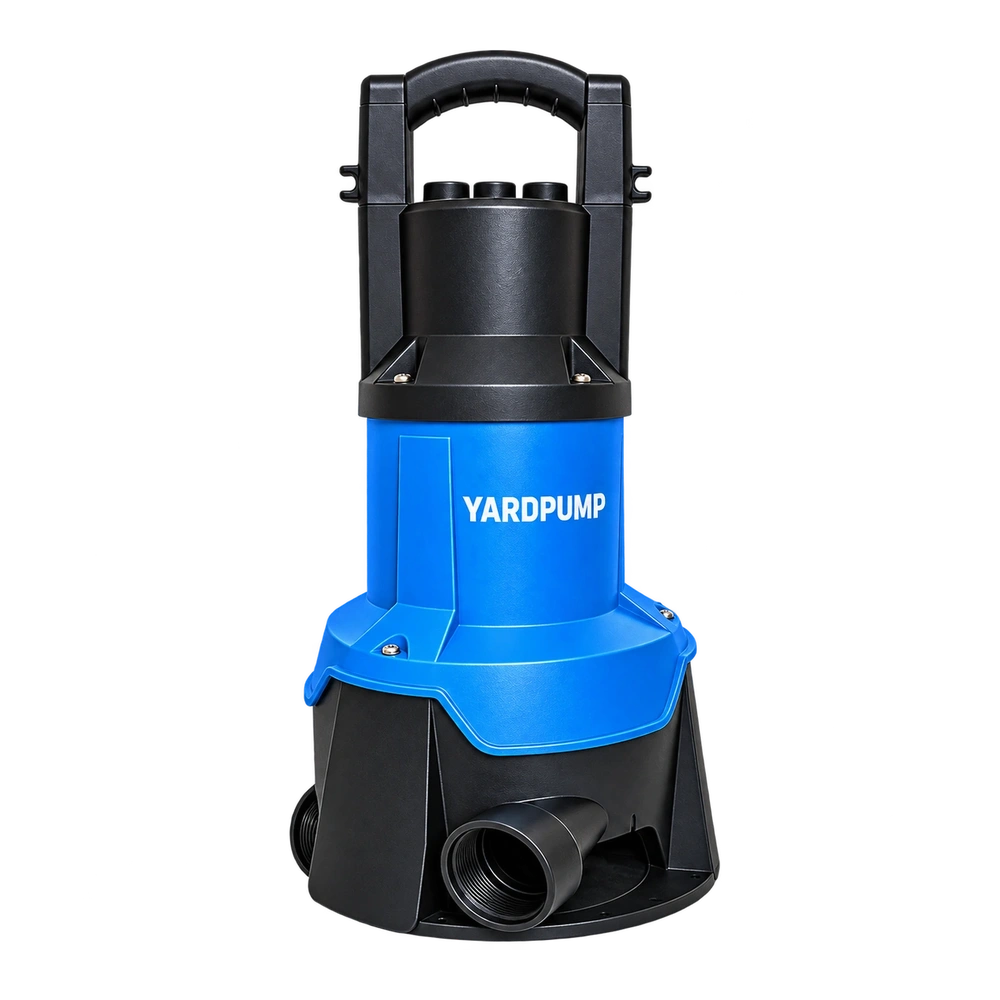
In a hypothetical enquiry, a buyer requests 1,000 pumps from one product family, divided among four colours and two voltage versions. The total exceeds a minimum quantity mentioned in conversation, yet some versions still receive a higher minimum. The likely problem is the counting level: an MOQ may apply to the order, base model, colour, electrical version or packaging configuration.
A large order can contain small production batches
Different colours can require separate material preparation and cleaning between runs. Voltage versions may involve different windings, protectors, plugs, labels and test conditions. Accessories and printed packaging can also have separate purchasing quantities.
A shared casing does not prove that every version can be mixed without additional work. Equally, mixed orders do not always create the same cost. Common parts, available stock, existing materials and production scheduling can change the answer.
An MOQ is a specific commercial and production arrangement. Illustrative quantities must not be represented as a universal industry rule or as a published YARDPUMP policy.
Build a version matrix first
List each real combination on its own line. Include base model, colour, voltage and frequency, plug, cable, accessories, packaging language and quantity. Identify what may be combined and what requires separate confirmation.
This avoids using “same model” to describe different things on opposite sides of the enquiry. A buyer may mean a common external appearance, while the supplier means one controlled bill of materials.
| Counting level | Question to settle |
|---|---|
| Complete order | Is there a commercial minimum value or total quantity? |
| Base model | Which common structural versions may be combined? |
| Colour or material | Is separate preparation, cleaning or residual stock involved? |
| Electrical and packaging version | Which parts, markings and acceptance conditions are independent? |
Using hypothetical quantities, an order of 1,000 split equally across eight combinations contains only 125 of each. If an agreed component minimum applies separately to an electrical version, the total order figure cannot establish compliance with that minimum. Confirm the actual thresholds and options in writing.
Identify what creates the restriction
Ask whether the limitation comes from changeover work, a purchased component, printed packaging, available inventory or the commercial cost of supporting the order. Different causes allow different solutions.
Reducing the number of launch colours, using compatible common packaging elements or postponing a less important version may be more useful than increasing every line. However, commonality must be technically approved. Do not combine incompatible labels, plugs or electrical configurations merely to make the quantities add up.
The objective is to reduce unnecessary variation while preserving identification, safety and the agreed specification. A temporary workaround that confuses voltage versions creates a much larger downstream problem.
Compare the complete order cost
A lower unit price can still leave the distributor holding unwanted variants. Include working capital and storage alongside the quoted goods value. Conversely, a clearly identified small-batch charge may be reasonable if it addresses real work and avoids larger inventory commitments.
Compare one-time charges, recurring charges, residual-material ownership, shipment stages and later replenishment conditions. Confirm quantity tolerances and whether any substitutions require written approval.
Permission to mix colours on the first order does not guarantee indefinite small top-ups for every colour. Sample development, first production and routine replenishment can have different arrangements. Make those differences explicit before committing to a wide assortment.
Turn the discussion into an executable order
The quotation and purchase order should refer to the same version matrix. For each line, state the quantity, price and applicable minimum basis. Explain which charges occur once and which recur with each batch.
Use the same version identifiers in production, inspection and shipping records. That continuity matters when different people handle purchasing, assembly and receiving. It prevents an attractive total quantity from hiding an unresolved configuration.
Distributors should begin with a realistic sales plan, then discuss feasible production batches. A large headline total divided into many poorly defined combinations is less useful than a smaller order whose versions and replenishment terms are clear.
Frequently Asked Questions
Can different voltages always share an MOQ if the casing is identical?
No. Confirm the electrical components, testing, markings and agreed counting basis.
Is a small-batch surcharge automatically unreasonable?
No. Identify the work or material it covers and compare the complete order cost.
Does first-order colour mixing guarantee the same replenishment terms?
No. Confirm later quantities, stock arrangements and version-specific conditions in writing.