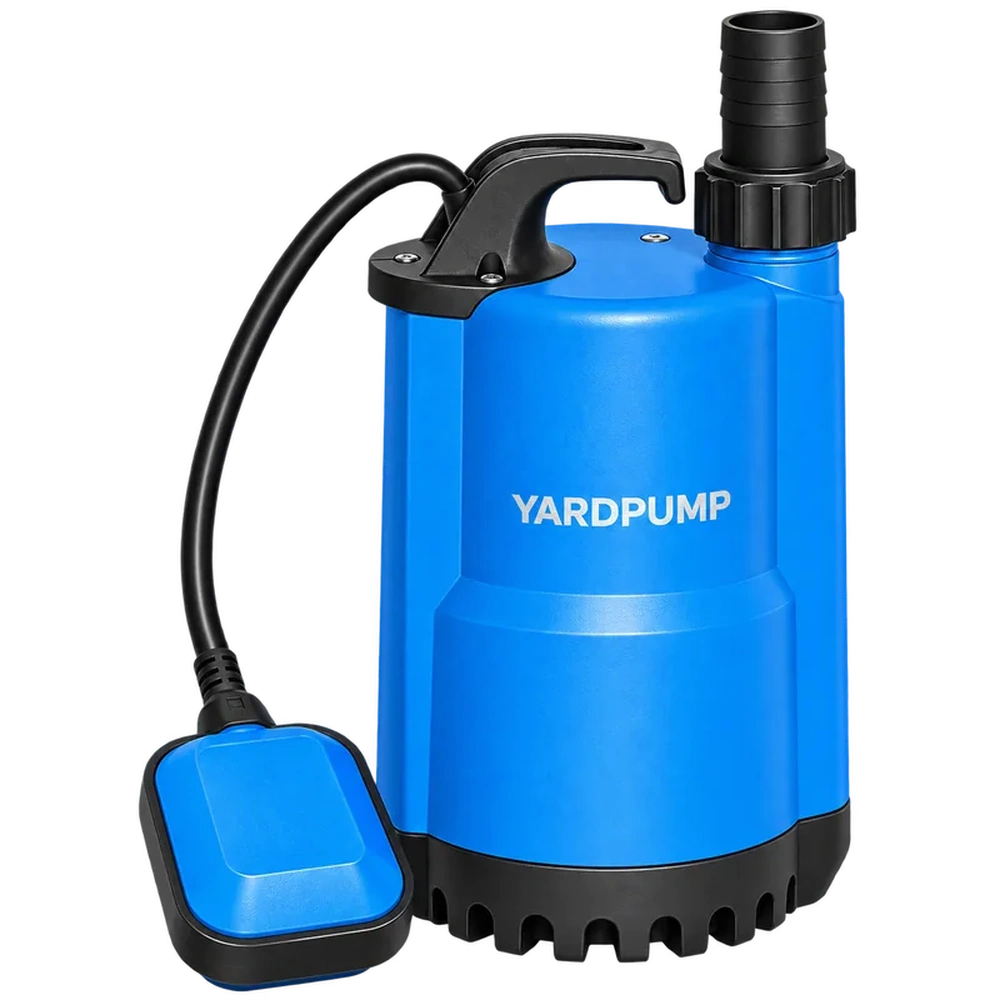
The pump assembler, model and nominal BOM remain unchanged, but one subcontractor changes. Does the buyer need to know? Assess whether the outsourced process affects the approved configuration, critical characteristics or agreed notification requirements. An unchanged final assembly address does not prove an unchanged manufacturing process.
Identify the outsourced work
Subcontracting may involve moulding, shaft machining, winding, potting, surface treatment or inspection. Those activities carry different risks. Neither treating every subcontractor change as critical nor treating identical part names as sufficient is useful. Establish which requirements the process delivers.
Dimensions, material treatment, cleanliness, cure and particular tests may not be confirmed by final appearance. Buyer and direct supplier should agree which changes need notification or approval and who assesses them. Minor logistical adjustments do not necessarily require the same process as a change affecting a sealing interface.
The control should follow the consequence of change rather than the number of companies involved.
A nominal BOM may conceal a process difference
A shaft retaining its drawing number may still receive different machining, deburring or surface treatment. A housing using the same resin grade may require review after production moves to another moulding location or equipment arrangement.
This is a risk-assessment requirement, not an assumption that a new subcontractor produces worse parts. The new process may perform well, but its relationship to the approved product still needs evidence.
For a hypothetical seal-seat machining change, verify relevant dimensions, roundness, surface condition and assembly function. A declaration saying “made to drawing” does not replace the agreed evidence. The specific checks depend on the actual component.
| Process information | Buyer should establish | Insufficient substitute |
|---|---|---|
| Outsourced scope | Characteristics delivered by the process | Same final assembler |
| Provider and location | Who performs the work and where | Same part number |
| Change verification | Risk assessment, samples and results | Generic conformity statement |
| Production cut-in | Old and new batch boundaries | Approval date alone |
Keep responsibility with the direct supply arrangement
The purchasing agreement should make clear how the direct supplier collects evidence, assesses risk, passes requirements downstream and maintains batch relationships. After-sales teams should not have to guess which provider made a critical component.
The depth of disclosure should match risk, confidentiality and the agreement. Effective control does not necessarily require public release of every commercial detail.
Where the change could affect an existing approval or certification scope, obtain assessment from the responsible party. Do not independently assume continued coverage. General quality-system evidence does not establish that a particular product change has been approved.
Connect trials to the cut-in
Identify new-source samples and verify relevant characteristics, assembly and function. Where needed, assess process repeatability rather than accepting one specially adjusted specimen as proof of stable production.
Keep original witness samples and previous results linked to the new evidence. A comparison is more useful when differences can be explained without reconstructing identities afterwards.
After approval, define the effective batch and manage old material, work in progress, reworked parts and spares. Unrecorded mixing can break the connection between the validated sample and delivered pumps. A temporary shortage does not automatically expand approval; any concession needs its own bounded conditions.
Make after-sales tracing possible
If a complaint occurs, a connection from pump identity to critical-component lot and subcontracted-process revision can be more useful than final assembly date alone. Establish that relationship before a problem rather than attempting to recover it later.
Do not assign the subcontractor responsibility before confirming the failure mechanism. Traceability supports an investigation; it does not establish cause by itself.
The practical objective is to connect a change, its verification and the batches that actually used it. This article does not imply an undisclosed YARDPUMP subcontractor change or prescribe one approval checklist for every process.
Frequently asked questions
Does every subcontractor change require complete laboratory retesting?
Not necessarily. Assess affected characteristics and approval scope before defining verification.
Can same-number components lose their source-lot identity?
That weakens cut-in and after-sales tracing. Preserve the relevant relationship.
Does approval allow old and new stock to be mixed freely?
No automatic permission follows. Define the revision and cut-in rules explicitly.