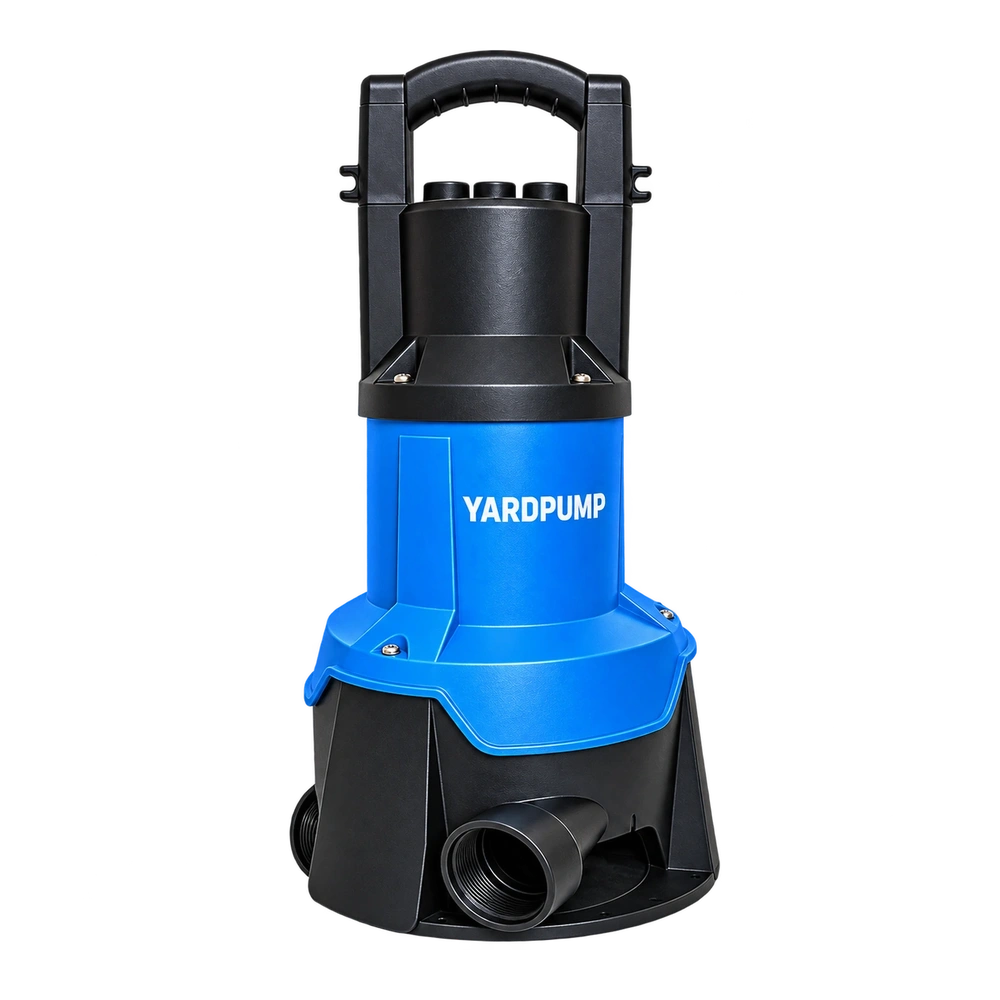
Two adapters from different cartons both say 1½ inch. One starts on the pump outlet and then stops too soon. The shared inch label is only the nominal size. An importer should establish the thread designation, where the connection seals and the approved mating part before the sample is released.
Identify the thread and the seal separately
BSP and NPT families can share familiar nominal labels while differing in geometry. Some joints seal on threads. Others rely on a gasket or face. Forcing a near match can damage plastic outlets and still fail to seal.
The drawing should identify the standard and exact callout. A BSP parallel port is generally designated G under ISO 228-1. Its mating assembly often seals at a face, washer or O-ring. In the ISO 7 family, R designates a tapered external thread. Rc and Rp distinguish tapered and parallel internal forms for their intended combinations. NPT is a separate tapered pipe-thread system. Match the specified thread and sealing design, especially where catalogue shorthand only says BSP.
Ask for the fitting cross-section. A washer that sits on a shoulder needs the shoulder dimensions and enough room to compress as designed. A threaded joint specified to seal within the engaged thread has its own appropriate material and assembly instructions. Matching the label while changing the sealing surface can create a leak.
Check a sample before accepting a carton of adapters
For example, two adapters labelled 1½ inch may have visibly similar diameters yet stop at different positions. The label is not an interchangeability result.
Require drawing callout, gauge method, engagement range, sealing component and approved mating adapter. Inspect sample, pre-shipment units and spare kits with the same controlled gauges and actual connection.
During sample inspection, confirm thread form, pitch, taper where applicable and the usable engagement. Use controlled gauges for the drawing's standard. Dry-fit the actual approved counterpart using the documented method. Then assess the approved seal in the prescribed leak or functional test. A single familiar shop fitting is helpful for fit comparison and insufficient for identifying a whole batch.
Put market variants and spare kits on the same drawing system
Release one documented thread and sealing system per SKU, or create clearly separated market variants. Include the correct adapter in the BOM and service catalogue.
For a market-specific change, record the pump outlet part, mating adapter, seal and assembly instructions as a set. Give the variant a distinct code on the packaging and replacement parts list. The packing instruction should show the mark that distinguishes visually similar parts. On the receiving side, sample the pump and the attached accessory kit from the same finished carton.
Plastic outlets need particular care with engagement and assembly loads. The team can reject a wrong fit early, before high torque or extra sealant makes it difficult to see why the threads stopped in the wrong position.
Frequently asked questions
Is BSP the same thing as BSPP?
BSP is often used as a family name. BSPP commonly refers to the parallel form. Request the exact callout and seal design from the supplier.
Can a handful of turns prove that the adapter fits?
Confirm the thread with the specified gauge, then check engagement and seal with the approved mating piece.
Do I need a separate code if only the adapter changes?
Use a distinct released kit or variant code so the pump, seal, adapter and instructions can be replaced as the same approved combination.