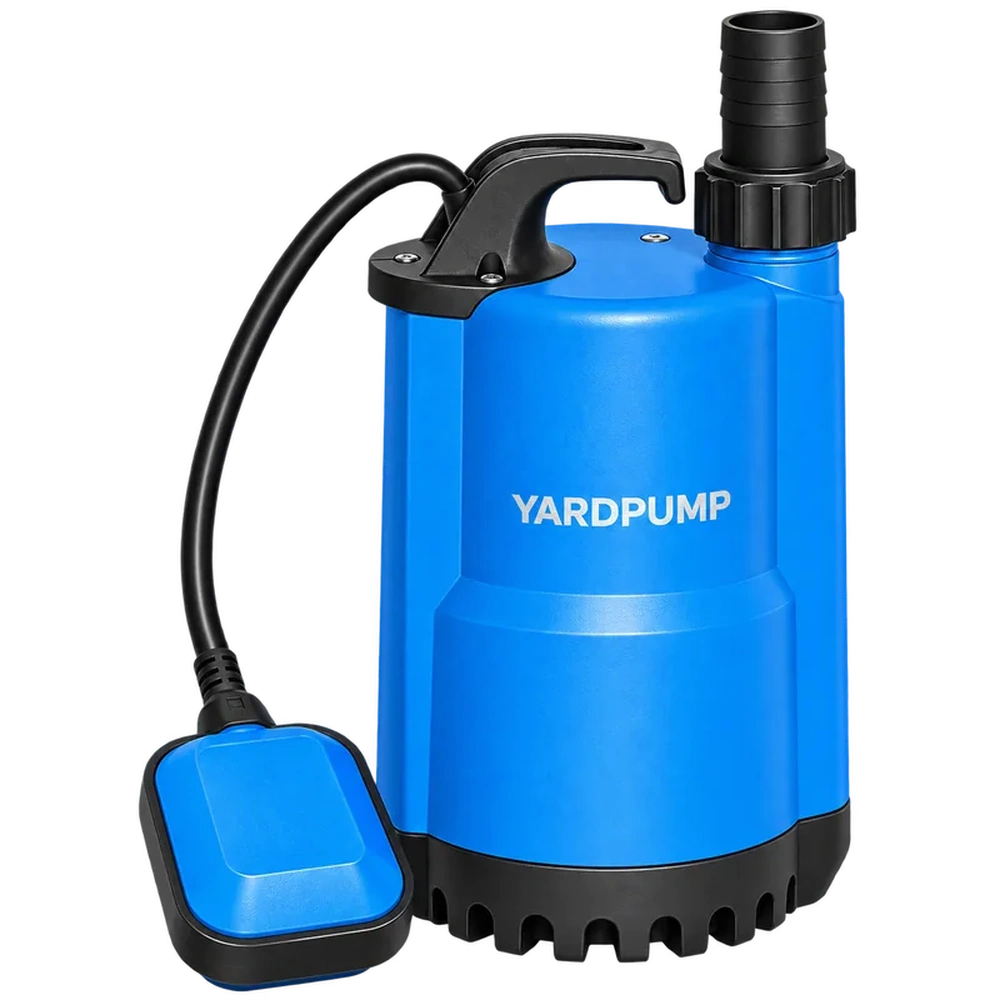
A pump outlet accepts the go gauge and rejects the no-go gauge as specified, but leaks when the supplied hose adapter is fitted. Can both findings be correct? Yes. The gauge addresses defined thread geometry. A leak test addresses the assembled joint, which may depend on a washer, O-ring, sealing face, tapered thread engagement or approved sealant. An inspection plan needs both types of evidence when both matter to the purchase.
Verify the intended joint before choosing a gauge
Identify the outlet and mating part from approved drawings. A parallel thread may provide clamping while a separate surface seals; a tapered thread may rely on the specified thread engagement and sealing method. These are design descriptions, not rules for every connection. Similar-looking threads may start by hand while differing in pitch, profile or sealing arrangement. Confirm the full designation and inspect the sealing surfaces called out by the actual joint design. Use the gauge type and interpretation required by the governing drawing or standard. Do not infer interchangeability from a shop nickname or nominal size alone.
In incoming inspection, record the gauge ID, condition and scope, and distinguish port inspection from inspection of the adapter. A gauge pass does not show that a washer is present, that its seat is flat, or that the adapter contacts the sealing face before its thread bottoms. On moulded parts, inspect flash, damage, surface shape and distortion as specified. An apparently sound adapter can produce the same failure when its shoulder, gasket recess or mating length is wrong.
Test the actual combination with the approved method
Build a representative joint using the real outlet, supplied fitting and specified seal. Record installation instructions, tools and controlled torque or engagement where the design specifies them. Use the approved pressure, medium, duration and acceptance criterion. Test arrangements must be designed for the stored energy involved and operated by qualified personnel; do not substitute an improvised compressed-air test for an approved procedure. After depressurization, examine where liquid first appeared. Wetness on the outlet wall can originate at the seal face, the fitting body or another joint and travel along the thread.
In an illustrative comparison, two adapters both meet their thread gauge requirements. Adapter A compresses the specified flat washer on the outlet face. Adapter B has an altered shoulder and contacts a stop before the washer is seated. Only the second assembly leaks in the approved check. Replacing the thread gauge would not catch the problem; reviewing shoulder dimensions and testing the actual assembly can.
Make the inspection decision traceable
Keep three distinct results on the inspection sheet: outlet geometry, fitting and seal identity, and assembly leak performance. For a failing combination, quarantine the affected variant and determine which feature or lot changed. If the outlet passes and only one approved adapter lot fails, compare it with the approved control fitting rather than recutting all ports. Do not apply extra sealant or additional torque to turn a failed sample into a passing one unless the approved design actually calls for that process and the correction is documented.
A one-time bench test verifies a stated setup. It does not cover every field fitting, chemical, temperature or pressure cycle. For a distributor selling different adapter packs, specify which combinations are included in the tested scope and how a replacement fitting will be identified.
When a mould parting line is visible, check its location relative to the actual sealing band. A cosmetic mark outside the band has a different implication from a discontinuity across it.
Frequently asked questions
Is an adapter suitable if it screws in by hand?
Not on that evidence alone. Verify designation, sealing method and the intended mating dimensions.
Can a thicker washer fix the leak?
It may change compression and engagement. Use only an approved seal or a documented engineering change.
Why note the first visible wet spot?
Liquid can migrate. Its first appearance, alongside the joint geometry, gives better clues than where it finally drips.